Michael Carrick’s ‘Hard Truths’ at Manchester United: What the Manager’s Warning Means for the Club, the Premier League and African Fans in 2026
Background – United’s slump and Carrick’s sudden rise
Manchester United entered the 2026‑27 season with lofty expectations after a solid finish the previous year, but a string of eight games without a win has left the club hovering near the bottom of the Premier League table. The loss of key midfielders to injury and a lack of goals have turned Old Trafford into a pressure cooker for both players and the board.
In late September, long‑time assistant Michael Carrick was handed the permanent managerial role after Erik ten Hag’s abrupt departure amid rumors of a boardroom overhaul. Carrick, a former United midfielder and club legend, arrived with little first‑team experience but a deep understanding of United’s culture, prompting both optimism and skepticism among supporters.
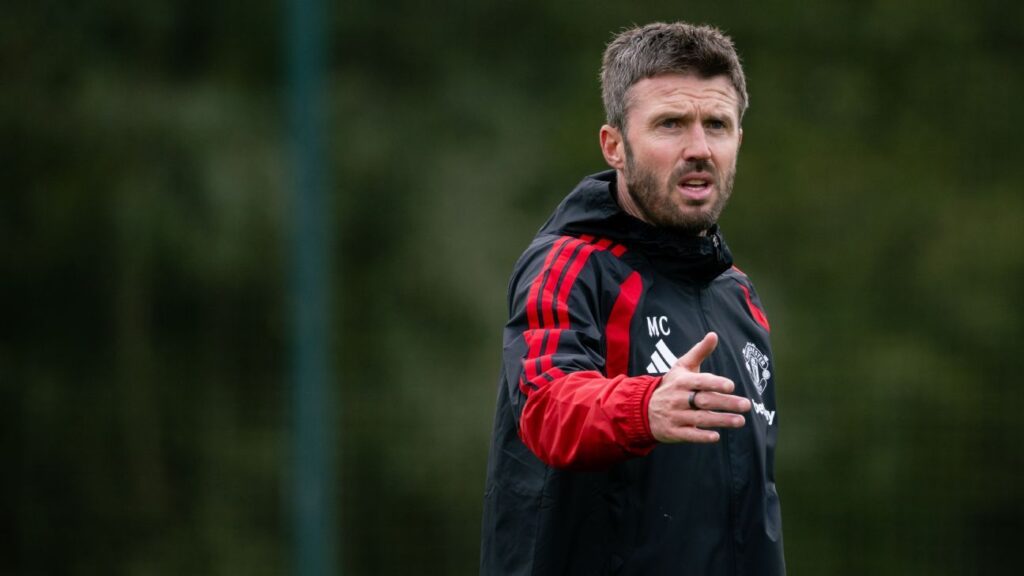
The new manager’s first weeks have been marked by tactical tweaks and rotating line‑ups, yet the winless streak persisted, prompting Carrick to address the locker room in a candid press conference on October 30, where he warned that “hard truths” had been spoken between himself, the squad and the hierarchy.
The ‘hard truths’ – what Carrick is confronting
Carrick’s remarks hinted at three core issues: a loss of collective belief, tactical rigidity, and a disconnect between senior players and the coaching staff. He said the squad had been “too comfortable with past glories” and needed to accept that the current approach was no longer delivering results.
According to a source close to the dressing‑room, Carrick also raised concerns about the fitness regime, noting that several first‑team regulars were returning from injury without the required match sharpness. The manager reportedly demanded higher intensity in training, a move that has already sparked debate among veteran players.
Finally, Carrick alluded to financial pressures from the club’s owners, who have reportedly set a deadline for securing a top‑four finish to unlock a £200 million performance bonus. The “hard truths” therefore encompass both on‑field performance and off‑field expectations.
Why it matters – performance, finances and the Premier League landscape
United’s slump threatens more than a trophy drought; it jeopardises the club’s share of the Premier League’s lucrative broadcasting pool. Missing out on the top four would cut United’s domestic TV revenue by roughly £100 million, a figure that would force the board to reconsider its spending on transfers and wages.
The managerial instability also ripples through the league’s competitive balance. Rivals such as Liverpool and Chelsea have already secured European spots, and a United decline could widen the gap between the traditional “Big Six” and the emerging clubs that are reshaping the league’s power dynamics.
From a sporting perspective, the lack of a clear tactical identity under Carrick may affect United’s ability to attract marquee signings in the upcoming summer window. Players often weigh a club’s stability and playing style before committing, and a public admission of internal discord could deter top talent.
African angle – United’s business, players and fans on the continent
Manchester United remains one of the most popular football brands in Africa, with a fan base that drives merchandise sales worth an estimated $150 million annually across the continent. A prolonged slump could dampen that enthusiasm, leading to lower jersey sales and reduced viewership for the club’s matches on African sports networks.
While United’s current first‑team roster lacks a senior African star, the club’s academy has produced several players of African descent, such as Karamoko Dembélé (Guinean heritage) and Amad Diallo (Ivorian). Carrick’s emphasis on “hard truths” could open pathways for these young prospects if he opts for a youth‑focused rebuild, a scenario that would resonate strongly with African supporters hoping to see home‑grown talent on the world stage.
Moreover, United’s commercial partners include major African corporations—telecom giants like MTN and beverage brands such as Coca‑Cola Africa. The club’s performance directly influences sponsorship negotiations, and a turnaround could reinforce United’s value proposition to these partners, preserving jobs and marketing budgets tied to the football giant.
Reactions – from the board, players, pundits and African media
Club chairman Joel Glazer, speaking to Sky Sports, praised Carrick’s honesty, stating that “addressing the truth early gives us the best chance to fix the problem before the season slips away.” The board’s public support suggests they are willing to grant Carrick leeway to implement his vision, provided results improve quickly.
Veteran midfielder Paul Pogba, who returned to United in the summer, reportedly responded positively to Carrick’s candid approach, saying in a post‑match interview that “we need to be brutally honest with ourselves if we want to get back on track.” Younger players, however, have expressed anxiety about increased training intensity, according to a leak reported by The Athletic.
African sports outlets such as SuperSport and Kick Off have highlighted the potential impact on local fans, noting that United’s decline could shift viewership to other clubs with stronger African connections, like Chelsea’s recent signings of African internationals. Pundits across the continent are watching closely to see whether Carrick will give a breakthrough to any African‑born academy graduates.
What’s next – scenarios for Carrick, the transfer market and United’s future
If Carrick can spark a win in the next five fixtures, the narrative may shift from crisis to rebuilding, and the manager could earn a full‑season contract. A quick turnaround would also keep United in contention for a Champions League spot, preserving the club’s financial health and its appeal to high‑profile signings.
Conversely, if the winless run extends beyond the end of November, the board may consider a more experienced replacement, potentially bringing in a manager with a proven track record in European competition. This would likely trigger a flurry of transfer activity, with United possibly targeting African talents such as Mohamed Camara (Bissau‑Guinean midfielder) to address midfield depth.
Regardless of the outcome, Carrick’s public admission of “hard truths” sets a precedent for transparency in elite football. It forces stakeholders—from owners to supporters—to confront uncomfortable realities, a process that could ultimately benefit the club’s long‑term stability and open doors for African players seeking a pathway to Old Trafford.
Quick Answers
What did Michael Carrick mean by ‘hard truths’ at Manchester United?
Carrick referred to the squad’s loss of belief, tactical rigidity and a disconnect with senior players, as well as financial pressures from the owners to finish in the top four.
How could Manchester United’s slump affect African fans and markets?
A prolonged poor run may reduce jersey sales, lower TV viewership on African networks, and weaken sponsorship deals with African companies that rely on United’s global brand.
What are the possible next steps for Carrick if United’s form doesn’t improve?
If results don’t turn around quickly, the board may replace Carrick with a more experienced manager and likely enter the summer transfer market, potentially targeting African talent to strengthen the squad.
Source: www.espn.com




💬 Comments 0