Mikel Arteta claims ‘massive storage of images’ of rival managers after his second yellow card – impact on Arsenal, PL rules and African fans in 2026
Background: Arteta’s second yellow and the touchline controversy
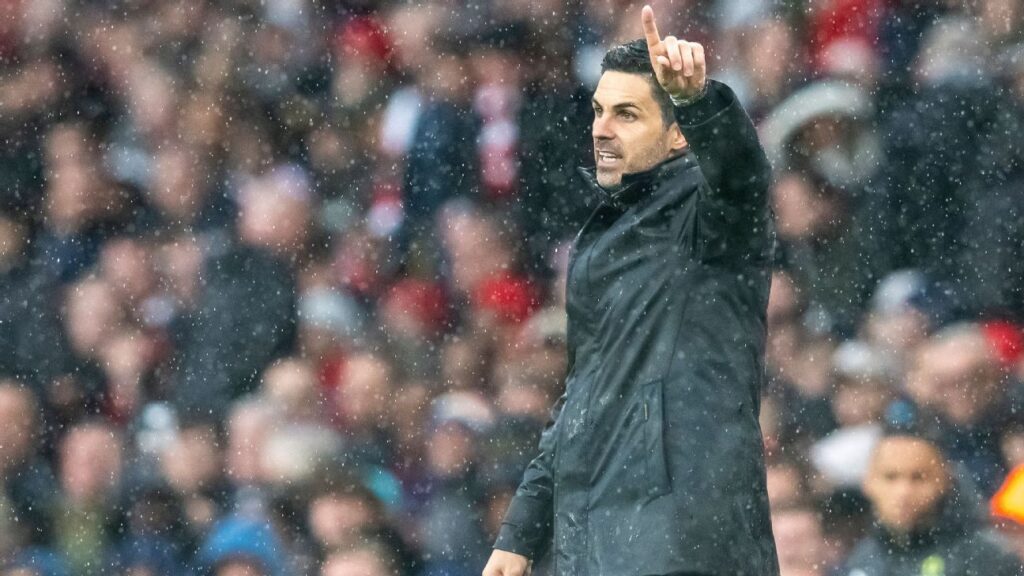
During Arsenal’s 2-1 loss at Old Trafford on 23 October 2026, Mikel Arteta was shown a second yellow card for repeatedly gesturing from the touchline, a decision that sparked an immediate outburst from the Arsenal bench. The dismissal marked Arteta’s second caution of the season and reignited a long‑standing debate about what constitutes a touchline infringement in the Premier League.
In the aftermath, Arteta told reporters that he has compiled a "massive storage of images" documenting rival managers allegedly breaking the same rules. He hinted that the footage could be used to lodge formal complaints with the league’s disciplinary committee, signalling a shift from verbal protests to a more evidence‑driven approach.
While the Premier League’s handbook lists specific prohibited actions – such as excessive shouting, entering the technical area without permission, or using prohibited devices – the interpretation of these rules has often been left to the referee’s discretion. Arteta’s claim therefore raises questions about consistency, transparency and the role of video evidence in enforcing touchline conduct.
Why managers are hoarding video evidence now
The rise of high‑definition broadcast feeds, stadium‑wide cameras and social‑media clips has turned every match into a data mine. According to a report by The Athletic, several top‑flight clubs now employ dedicated analysts whose job is to catalog every on‑pitch and off‑pitch incident for potential disciplinary use.
Arteta’s admission mirrors a broader trend where managers are no longer content to rely on anecdotal arguments. By amassing visual proof, they can bypass the subjective nature of referee reports and appeal directly to the league’s disciplinary panel, which historically has been more receptive to concrete evidence.
The practice also reflects a cultural shift toward ‘evidence‑based coaching’ that originated in elite European clubs and is now spreading to African leagues. The South African Premier Division introduced a similar video‑audit system in 2023, allowing coaches to submit footage of rule breaches, a move praised by local coaches for increasing fairness.
Implications for Premier League governance and disciplinary consistency
If Arteta follows through with his dossier, the Premier League could be forced to clarify its touchline regulations. A formal complaint backed by timestamps and multiple camera angles would set a precedent, potentially prompting the league to publish a detailed guideline on permissible conduct for managers.
Such a move could also lead to a tiered penalty system, where repeated infractions captured on video attract heavier fines or stadium‑ban suspensions. This would align the Premier League with other major sports bodies that have adopted strict video‑review protocols for off‑field misconduct.
However, critics warn that an over‑reliance on video evidence could create a “surveillance culture” that punishes minor gestures while overlooking more serious on‑field incidents. A former referee, according to Sky Sports, suggested that “the human element of judgment is being eroded by endless replay loops,” a concern that may resonate with fans who value the flow of the game.
Why African and diaspora fans should care
Arsenal boasts a massive following across Nigeria, Ghana, Kenya and the broader African diaspora, with many fans identifying closely with the club’s multicultural identity. The perception of fairness in the Premier League directly influences how these supporters view the sport’s governance.
If the league adopts stricter, evidence‑driven penalties, African‑based clubs that already operate under tighter regulatory frameworks could benefit from a more level playing field. The Nigerian Professional Football League, for instance, has campaigned for clearer disciplinary standards, and a Premier League precedent may bolster those domestic reforms.
Moreover, the story highlights the growing role of African‑born coaches and players in the European game. With former Arsenal midfielder Nwankwo Kanu now serving as an ambassador for youth development in Africa, any shift in managerial accountability reverberates through the networks that connect African talent pipelines to elite clubs.
What could happen next – from fines to a tech‑driven crackdown
In the short term, the Premier League’s disciplinary committee is expected to review Arteta’s alleged evidence within the next two weeks. If the footage proves that rival managers repeatedly breached touchline protocols, the league may impose fines ranging from £10,000 to £25,000, as has been the case for similar infractions in previous seasons.
Longer‑term, the incident could accelerate the league’s investment in a centralized touchline‑monitoring system. Sources close to the league’s technology department say that a pilot program using AI‑powered cameras to flag prohibited gestures is slated for rollout in the 2027‑28 season.
For African clubs watching from the sidelines, the development offers a blueprint for adopting similar technology. The Ghana Premier League announced plans to trial AI‑assisted referee assistance in 2027, citing the Premier League’s innovations as a catalyst. Whether that leads to a more transparent game across the continent remains to be seen, but the ripple effect is already evident.
Quick Answers
What did Mikel Arteta say about having images of rival managers breaking touchline rules?
Arteta claimed he has a "massive storage of images" showing other Premier League managers violating touchline regulations after receiving his second yellow card of the season.
How could Arteta's evidence affect Premier League disciplinary rules?
If the league accepts his video proof, it may tighten touchline guidelines, introduce heavier fines, or launch a new monitoring system to ensure consistent enforcement.
Why does this story matter to African football fans?
Arsenal’s large African fanbase looks to Premier League fairness as a benchmark; stricter, transparent rules could influence similar reforms in African leagues and benefit local coaches and players.
Source: www.espn.com




💬 Comments 0