Mikel Arteta Defends Premier League After Manchester City Financial Breach Verdict 2026
Background: The verdict and Arteta’s stance
On 3 October 2026 the Premier League’s independent financial regulator handed Manchester City a guilty verdict for breaching the league’s financial‑fair‑play (FFP) rules. The club was fined £30 million and ordered to operate under a tighter wage cap for the next two seasons. The decision sent shockwaves through English football, sparking debates about whether the league’s competitive balance had been compromised.
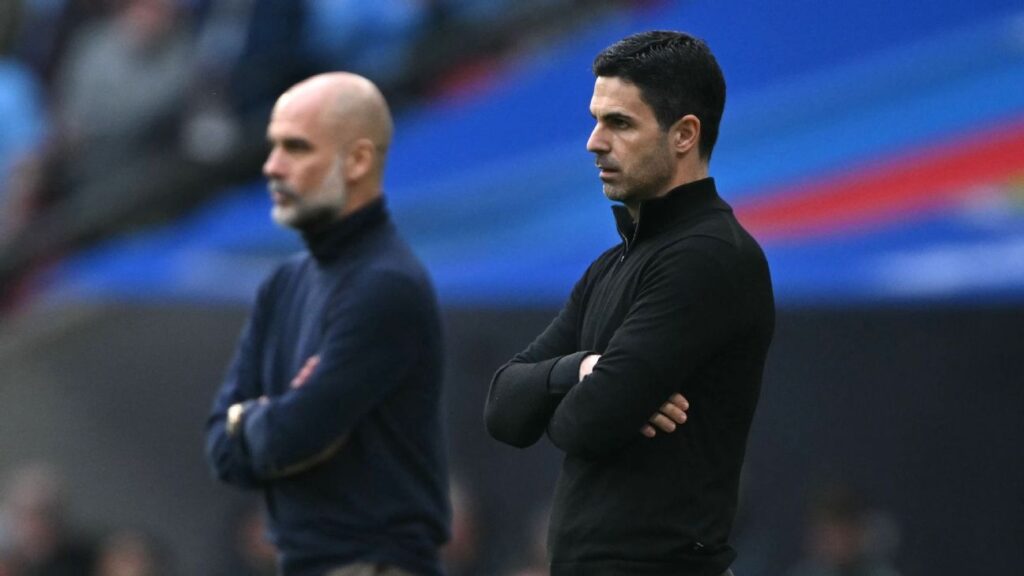
Mikel Arteta, Arsenal’s manager, responded in a press conference the following day, insisting that the Premier League remains the world’s premier competition. He argued that the league’s depth of talent, global audience, and commercial reach outweigh any single club’s transgression. Arteta’s comments echoed a long‑standing narrative promoted by the league’s marketing arm, which often highlights the “best league in the world” tagline.
While Arteta’s remarks were largely diplomatic, they also hinted at a broader concern: the possibility that punitive actions against a high‑profile club could tarnish the league’s reputation and affect its ability to attract top talent, especially from emerging football markets such as Africa.
Why the verdict matters for the Premier League’s credibility
Financial‑fair‑play rules were introduced to curb unsustainable spending and to level the playing field. When a club as financially powerful as Manchester City is found guilty, it validates the regulator’s authority but also raises questions about past enforcement consistency. Critics argue that earlier breaches by other clubs received lighter sanctions, suggesting a double standard that could erode trust among fans and investors.
The fine and wage‑cap restrictions could reshape the competitive dynamics of the league. If City’s spending power is curtailed, clubs that have relied on a relatively predictable hierarchy may need to adjust their strategies. This could lead to a more open title race, which broadcasters and sponsors generally welcome, but it also creates uncertainty for clubs whose business models depend on predictable revenue streams from European competition.
From a commercial perspective, the Premier League’s global brand hinges on the perception of fairness and excitement. A high‑profile breach, if not handled transparently, risks alienating overseas broadcasters who pay premium fees based on the league’s reputation. The verdict therefore has implications that go beyond the pitch, touching television rights, sponsorship deals, and even the league’s ability to negotiate future expansion into markets such as Africa and the Middle East.
The African angle: players, markets and diaspora fans
Africa supplies a steady stream of talent to the Premier League, with stars like Mohamed Salah, Sadio Mané, and Pierre‑Emerick Aubameyang having become household names. A stricter wage‑cap could limit the salaries that clubs are willing to offer African players, potentially making the Premier League less attractive compared to other European leagues that may have looser financial constraints.
Beyond individual contracts, the verdict may affect transfer market dynamics. Premier League clubs have traditionally been the biggest spenders for African talent, often outbidding rivals from Ligue 1 or Serie A. If the wage‑cap forces clubs to prioritize cost‑efficiency, we could see a shift toward scouting younger, less expensive prospects from Africa’s academies, increasing the pressure on local development structures and agents.
The African diaspora forms a massive part of the Premier League’s overseas fanbase, generating billions in merchandise sales each season. Any perception that the league is tolerating financial misconduct could dampen enthusiasm among diaspora communities, who already face high ticket prices and limited access to live matches. Conversely, a decisive enforcement action might be welcomed as a sign that the league is protecting the integrity of the sport they love.
Broader trends: Financial regulation in global football
Manchester City’s case is part of a growing wave of financial scrutiny across Europe. UEFA’s revamped FFP framework, La Liga’s salary‑cap system, and Serie A’s recent “financial health” audit all aim to curb excessive spending. In recent years, clubs like Paris Saint‑Germain and Barcelona have faced similar investigations, indicating a continent‑wide shift toward fiscal responsibility.
These regulatory moves are often driven by the need to protect clubs from bankruptcy and to ensure long‑term sustainability. However, they also create a competitive tension: leagues that enforce stricter caps may lose some of the “big‑money” allure that attracts star players, while leagues with looser rules could become the new destination for high‑profile transfers. The Premier League’s response to City’s verdict will signal whether it intends to lead the enforcement front or to adopt a more flexible approach.
In Africa, several top‑flight leagues are beginning to adopt their own financial oversight mechanisms, inspired by European models. The South African Premier Division introduced a salary‑cap pilot in 2025, and the Nigerian Professional Football League is exploring a licensing system tied to financial transparency. The outcomes of high‑profile cases like City’s could influence how quickly African federations adopt similar measures.
What’s next: Potential reforms and the road ahead
The Premier League’s governing board has promised a review of its FFP enforcement procedures within the next six months. Sources close to the league say the review will consider a tiered penalty system that scales with the size of the breach, aiming to address concerns about inconsistency. If adopted, such a system could provide clearer guidelines for clubs, including those that heavily recruit African talent.
Clubs are already adjusting their budgeting models. Arsenal, under Arteta, has publicly committed to a “sustainable wage structure” that aligns with the league’s cap, while still targeting African signings who can add value without inflating the wage bill. This could open doors for more African players to join mid‑tier Premier League sides, potentially increasing the continent’s representation on the world stage.
For African fans and investors, the verdict underscores the importance of monitoring how European financial policies affect local markets. Football agencies and academies may need to recalibrate their expectations, focusing on developing players who can thrive in a cost‑controlled environment. Meanwhile, diaspora communities will likely watch the league’s next steps closely, as any perceived erosion of integrity could impact their loyalty and spending.
Quick Answers
What penalty did Manchester City receive for breaching Premier League financial rules?
Manchester City was fined £30 million and placed under a two‑year wage‑cap restriction.
How could the verdict affect African players in the Premier League?
A tighter wage cap may limit the salaries clubs can offer, potentially reducing the league’s pull for top African talent.
Will the Premier League change its financial‑fair‑play system after this case?
The league has announced a review of its FFP enforcement, with possible introduction of a tiered penalty system within six months.
Source: www.espn.com




💬 Comments 0