Mikel Arteta says Arsenal must stop chasing perfect goal after 1-0 Hull City win 2026
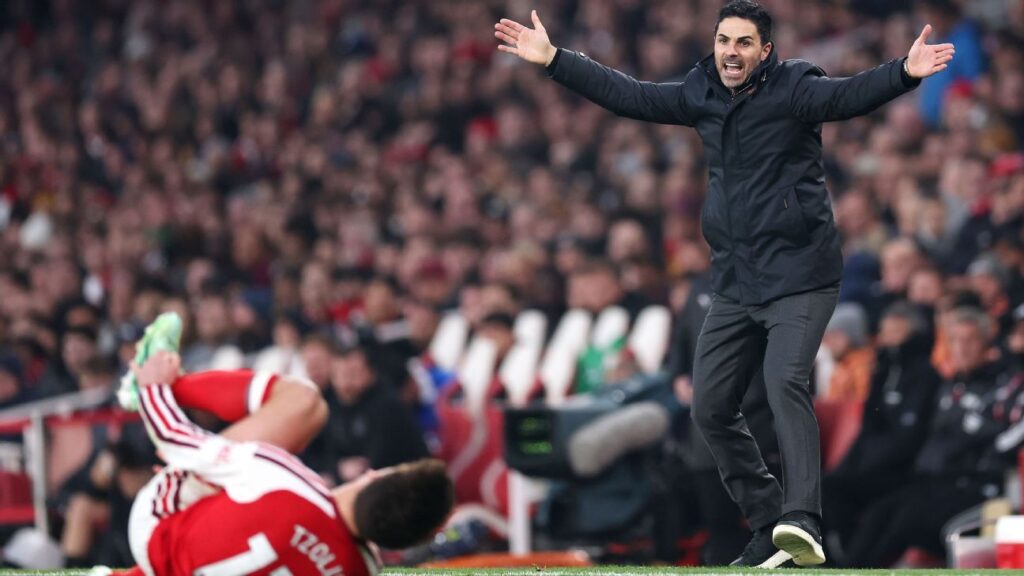
Background: Arsenal’s recent form and Arteta’s evolving philosophy
Since taking over in 2019, Mikel Arteta has built Arsenal into a side that blends attractive football with a clear defensive structure. The 2025‑26 season began with the Gunners sitting in the top three, but a series of narrow victories and a few draws have sparked debate about whether the team is overly cautious.
Arteta’s tactical blueprint, influenced by his time under Pep Guardiola at Manchester City, emphasizes ball retention, positional rotation, and high‑pressing intensity. Yet critics argue that the emphasis on process sometimes eclipses the urgency to finish chances, a tension that resurfaced after the 1‑0 win at Hull City.
The win against Hull was Arsenal’s fifth consecutive clean sheet, a statistic that underlines defensive solidity but also highlights a lack of attacking firepower. Fans and pundits alike have been questioning whether the club’s growing reputation for “clean football” is sustainable in a league that rewards goals as much as organization.
The Hull City win and the ‘perfect goal’ comment
On Saturday, Arsenal edged Hull City 1‑0 thanks to a late header from Gabriel Martinelli, a goal that, while decisive, was far from the fluid, team‑built strike Arteta often praises. In the post‑match press conference, Arteta warned his players against obsessing over the “perfect goal”, urging them to value any goal that wins games.
He explained that the pursuit of aesthetic perfection can paralyze decision‑making in the final third, a sentiment echoed by former Liverpool midfielder Jordan Henderson in a recent interview with Sky Sports. Arteta’s remarks were also a subtle rebuke to supporters who have been vocal on social media about the team’s perceived lack of flair.
The comment resonated beyond the Premier League, prompting discussions on coaching philosophies across Europe. Analysts at The Athletic noted that Arteta’s stance mirrors a broader shift among top managers who prioritize efficiency over spectacle, especially in tightly contested title races.
Why the pursuit of a ‘perfect goal’ matters for modern football
In an era where data analytics dictate player recruitment and match preparation, the definition of a “good” goal has become quantifiable. Expected Goals (xG) models reward high‑probability attempts, and clubs that consistently generate low‑xG chances risk underperforming against statistically stronger opponents.
However, the cultural cachet of a “perfect goal” – a beautifully orchestrated move ending with a clinical finish – still fuels fan engagement and commercial value. Brands like Adidas and Nike invest heavily in moments that go viral, and broadcasters count on highlight reels to retain viewership, especially in markets like Sub‑Saharan Africa where football is a primary entertainment source.
Arteta’s caution therefore sits at the intersection of performance optimization and marketability. By de‑emphasising the quest for picture‑perfect moments, he risks alienating a segment of the global audience that craves drama, but he also protects his squad from the paralysis that over‑analysis can cause in high‑pressure situations.
Implications for African players and the Premier League’s African audience
Arsenal’s squad includes several African talents, most notably Bukayo Saka (of Nigerian descent) and Gabriel Jesus (Brazilian but a key figure for the African‑origin fanbase). Their development under Arteta’s pragmatic approach could influence how African academies shape future prospects – favouring versatility and tactical discipline over raw flair.
The Premier League remains the most watched football league in Africa, with broadcasters in Nigeria, Kenya, and South Africa reporting record viewership during the 2025‑26 season. Arteta’s public stance may affect how African fans perceive the English game: a shift towards “no‑nonsense” football could either broaden appeal among viewers who appreciate results, or diminish the emotional connection that comes from spectacular, culturally resonant moments.
Moreover, the discussion around “perfect goals” has sparked conversations among African coaches about balancing style and substance. In a recent CAF coaching symposium in Accra, several participants cited Arteta’s comments as a case study for integrating data‑driven decision‑making without sacrificing the creative expression that African football is known for.
What’s next for Arsenal and the wider Premier League narrative
Looking ahead, Arsenal face a congested fixture list that includes a crucial derby against Tottenham and a Champions League clash with Paris Saint‑Germain. Arteta’s challenge will be to translate his efficiency mantra into tangible goal output without compromising the team’s identity.
If Arsenal can maintain defensive rigidity while increasing conversion rates, they could set a template for other clubs seeking to blend pragmatism with the entertainment factor demanded by global audiences. Conversely, a prolonged drought of goals may reignite calls for a managerial change, a scenario that has unfolded with other top clubs in recent years.
Beyond Arsenal, the debate sparked by the “perfect goal” remark may influence how the Premier League markets itself in emerging markets. The league’s commercial arm, Premier League Productions, has already hinted at a new “Moments of Truth” campaign that will celebrate decisive, sometimes unspectacular, goals that decide matches – a direct nod to Arteta’s philosophy.
Quick Answers
Why did Mikel Arteta say Arsenal should stop chasing the perfect goal?
Arteta believes focusing on aesthetic perfection can stall decision‑making, so he wants players to value any goal that wins matches.
How could Arteta’s comment affect African fans of the Premier League?
The Premier League is the most watched league in Africa; a shift toward pragmatic football may attract viewers who prefer results, but could also reduce the emotional pull of spectacular goals.
What are Arsenal’s next big challenges after the Hull City win?
Arsenal face a Tottenham derby and a Champions League tie with PSG, where they must balance defensive solidity with increased goal output.
Source: www.espn.com




💬 Comments 0