Mohamed Hamdan Dagalo Sentenced to Death 2026
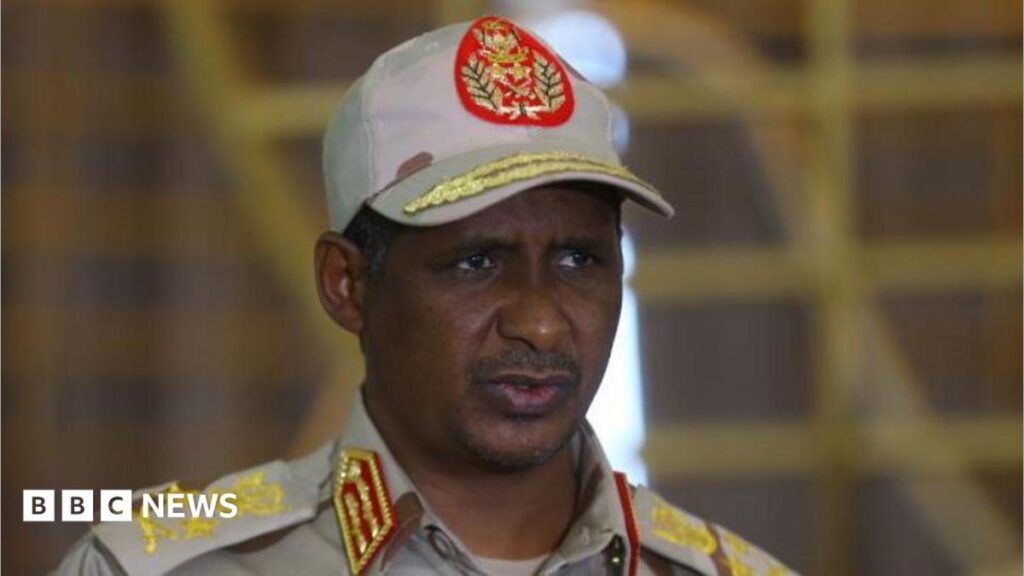
Mohamed Hamdan Dagalo, the chief of Sudan's paramilitary Rapid Support Forces (RSF), has been sentenced to death in absentia for his role in war crimes. This verdict is a significant development in the quest for justice and accountability in Sudan. According to reports, Dagalo was found guilty along with 15 other RSF commanders and allies, who were also sentenced to death in absentia.
Dagalo's conviction is reportedly related to the violent suppression of protests and the commission of other human rights abuses in Sudan. The RSF has been accused of numerous atrocities, including killings, rapes, and lootings, and Dagalo's leadership has been linked to these crimes. The trial and conviction of Dagalo and his associates are seen as a major step towards holding those responsible for war crimes accountable.
The conviction of Dagalo and the other RSF commanders has been welcomed by human rights groups and advocates for justice in Sudan. However, it remains to be seen whether the sentences will be carried out, as Dagalo and the other defendants were tried in absentia. The Sudanese government has faced criticism for its handling of the RSF and its failure to hold the paramilitary group accountable for its actions.
The situation in Sudan remains complex and volatile, with the RSF continuing to wield significant power and influence. The conviction of Dagalo and the other RSF commanders is a significant development, but it is unlikely to bring an end to the violence and instability in the country. Further efforts are needed to address the root causes of the conflict and to ensure that those responsible for war crimes are held accountable.
The international community has been watching the situation in Sudan closely, and the conviction of Dagalo and the other RSF commanders has been seen as a positive step towards justice and accountability. However, more needs to be done to support the people of Sudan and to help the country transition towards a more peaceful and stable future.
Source: www.bbc.co.uk



💬 Comments 0