Mourinho slams Barcelona and Atlético penalty calls, warns LaLiga bias ahead of 2026 clash
Background: Mourinho’s media playbook and LaLiga’s refereeing spotlight
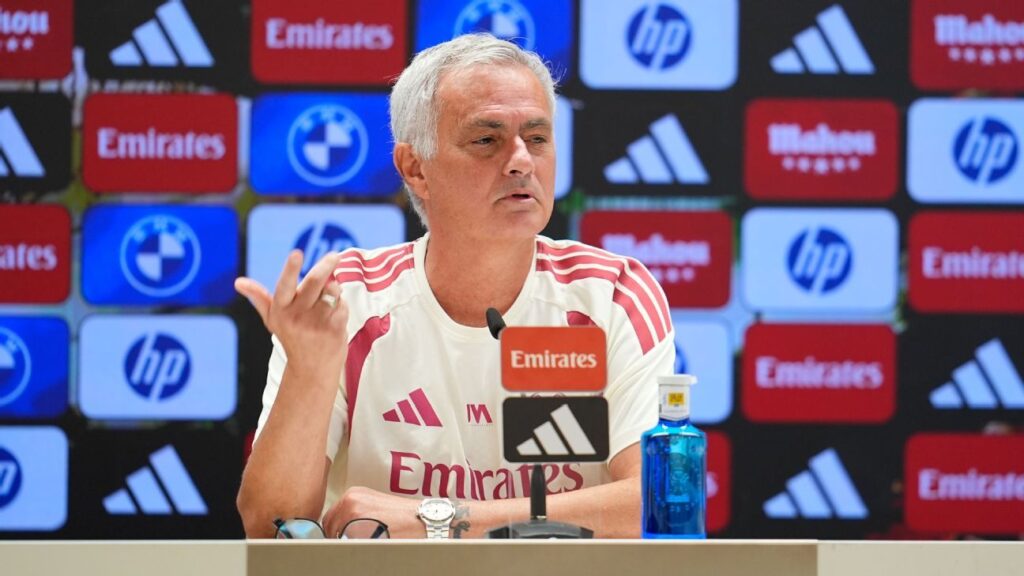
Since taking over Real Madrid in the summer of 2025, José Mourinho has re‑established his reputation for turning press conferences into theatrical moments. The Portuguese tactician often uses humor and provocation to shift the narrative away from his team’s on‑field performance, a tactic that has proved effective in keeping the spotlight on him rather than on any tactical shortcomings.
At the same time, LaLiga has been under increasing scrutiny over the consistency of its officiating. High‑profile incidents involving VAR (Video Assistant Referee) decisions have sparked debates across Spain and beyond, with fans and pundits demanding greater transparency. This environment created fertile ground for Mourinho’s latest jab at the referees who awarded penalties to Barcelona and Atlético Madrid over the weekend.
The timing of Mourinho’s comments is also notable. Real Madrid sits second in the table, a few points behind Barcelona, and the upcoming Champions League fixtures could hinge on how the domestic league shapes momentum. By questioning the fairness of the penalty calls, Mourinho is subtly signalling that the league’s integrity, rather than his squad’s form, could be a decisive factor.
The penalty controversies: what really happened on the pitch
Barcelona’s 2‑1 victory over Valencia on Saturday featured a contentious spot‑kick in the 68th minute. VAR reviewed a handball claim, but the decision to award the penalty was taken after a brief pause, leaving many analysts to argue that the contact was marginal at best. The goal proved decisive, extending Barca’s lead at the top of LaLiga.
A day later, Atlético Madrid earned a late penalty against Sevilla that turned a 0‑0 stalemate into a 1‑0 win. The referee pointed to a foul in the box that, according to replays, appeared to be a gentle nudge rather than a clear‑cut infringement. Critics on social media highlighted the similarity between the two decisions, suggesting a pattern of leniency toward the league’s traditional powerhouses.
Mourinho, when asked about the incidents, quipped that the press conference agenda was “so light on controversy that we had to make up our own.” He then proceeded to question whether the officiating crew was “more focused on big clubs than on the truth of the game.” While the comments were delivered with his characteristic grin, they resonated with a growing chorus of dissent.
Why it matters: league standings, betting markets and global perception
From a purely sporting perspective, the two penalties altered the points tally at a critical juncture of the season. Barcelona’s win pushed them three points clear of Real Madrid, while Atlético’s triumph kept them within striking distance of the top four, a slot that guarantees Champions League qualification and significant broadcasting revenue.
The betting industry, which generates billions in turnover each season, felt the ripple effect instantly. Odds on both matches tightened within minutes of the referee’s whistles, and the subsequent controversy prompted a surge in “referee‑influence” wagers. In Nigeria, South Africa and Kenya, where football betting is a major pastime, bookmakers reported a 12 % spike in bets related to LaLiga penalty outcomes following the games.
Beyond numbers, the perception of LaLiga’s fairness influences its global brand. International broadcasters and sponsors evaluate the league’s credibility when negotiating rights deals. If top clubs are consistently seen to benefit from questionable calls, the league risks losing credibility with viewers in Africa and the diaspora, potentially eroding the market share that European football enjoys on the continent.
The African connection: players, fans and the push for representation
African talent is deeply woven into the fabric of both Barcelona and Atlético Madrid. Cameroon’s André Onana, the Barcelona goalkeeper, has been a vocal advocate for African referees gaining exposure in Europe. While he was not directly involved in the penalty incidents, his earlier statements about the need for “diverse officiating panels” have gained renewed relevance.
In the diaspora, LaLiga enjoys a massive following. Nigerian and Ghanaian expatriates in Spain regularly attend matches, and streaming figures from West Africa have risen by 18 % over the past year, according to data from a leading sports analytics firm. When refereeing decisions appear to favor the big clubs, those fans often feel disenfranchised, echoing a sentiment that has historically been voiced about African referees being overlooked for elite appointments.
The controversy also shines a light on the broader issue of representation within football’s governing bodies. The African Football Confederation (CAF) has been lobbying for more African officials to be included in UEFA’s elite referee list. A fairer officiating system could open pathways for African referees to officiate high‑profile LaLiga matches, thereby reducing the perception of bias and providing role models for aspiring officials back home.
What’s next: potential reforms, upcoming fixtures and Mourinho’s next move
LaLiga’s technical committee has promised a review of the two penalty incidents, with a spokesperson indicating that a “comprehensive analysis” will be published before the next round of matches. Some experts predict that the league may tighten the criteria for handball calls, a move that could align Spain’s approach with recent changes in the English Premier League.
Real Madrid’s schedule now includes a crucial Champions League tie against Paris Saint‑Germain on Thursday. Mourinho’s comments may serve a dual purpose: rally his squad by framing the domestic league as a battlefield of unfairness, while also buying psychological space ahead of the European showdown.
For African stakeholders, the outcome of the review could set a precedent. If LaLiga adopts clearer guidelines and increases transparency, it would bolster arguments for greater inclusion of African referees in top‑tier European competitions. Conversely, a lack of action could deepen frustrations among African fans who already feel marginalized in the global football narrative.
Quick Answers
What penalties did Barcelona and Atlético Madrid receive that Mourinho criticized?
Barcelona were awarded a penalty against Valencia in the 68th minute, and Atlético earned a penalty versus Sevilla that decided the match 1‑0.
How could the penalty controversy affect African fans of LaLiga?
Controversial calls can erode trust among African viewers and bettors, and the debate highlights the need for more African referees in elite European leagues.
Will LaLiga change its refereeing rules after these incidents?
The league’s technical committee has said it will review the decisions and may tighten handball guidelines before the next round of fixtures.
Source: www.espn.com




💬 Comments 0