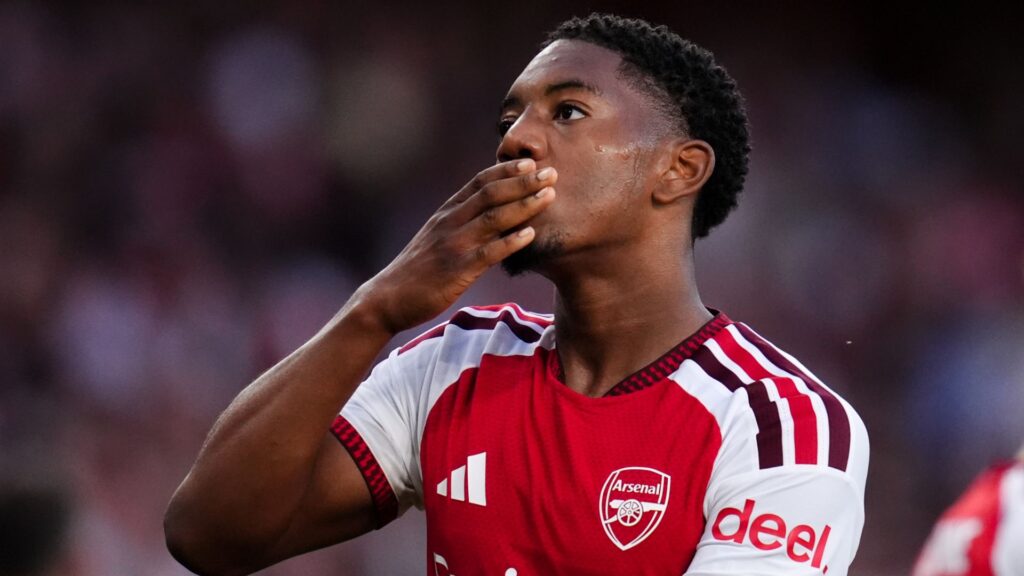
Myles Lewis-Skelly Makes Golden Boy Shortlist 2026: What It Means for Arsenal, England and Ghanaian Roots
Background: The Golden Boy Award and Its Growing Prestige
Since its inception in 2003, the Golden Boy award has become the benchmark for identifying Europe’s most promising under‑21 talent. Selected by a panel of journalists from leading football publications, the shortlist usually reflects a mix of established academies and breakout stars from the continent’s top leagues. In recent years, the Premier League has come to dominate the list, a trend that mirrors England’s increasing investment in youth development and the league’s global commercial clout.
The 2026 edition features 25 candidates, ranging from La Liga prodigies to Bundesliga’s rising forwards. Among them, Arsenal’s Myles Lewis‑Skelly stands out not only for his technical versatility but also for the narrative his inclusion adds: a home‑grown midfielder with Ghanaian heritage breaking into a shortlist historically skewed toward attacking players.
What Happened: Lewis‑Skelly’s Rise to the Shortlist
The 20‑year‑old made his senior debut for Arsenal last season, quickly earning a regular spot in Mikel Arteta’s midfield rotation. His 12 appearances in the Premier League, combined with three goals and several key assists, demonstrated a rare blend of physicality and composure for someone his age. Those performances, along with standout displays in the UEFA Europa League, caught the eye of the award’s voting panel.
Lewis‑Skelly’s inclusion was confirmed on October 4, 2026, when the official Golden Boy shortlist was published on the award’s website. While the shortlist itself is not a guarantee of winning, past winners such as Kylian Mbappé and Erling Haaland have used the platform as a springboard to elite status, suggesting that being named signals a player’s trajectory toward the sport’s upper echelons.
Why It Matters: Implications for Arsenal, England and the African Diaspora
For Arsenal, the recognition validates the club’s renewed focus on nurturing home‑grown talent after a decade of heavy spending on established stars. The midfielder’s progress reinforces Arteta’s strategy of integrating academy graduates into a high‑pressing system, potentially influencing future transfer policies and the valuation of Arsenal’s youth contracts.
On the international stage, England’s senior team has been scouting the shortlist closely, as the Football Association often views Golden Boy nominees as future senior internationals. Lewis‑Skelly’s versatility—capable of playing as a deep‑lying playmaker or an advanced midfielder—offers England a flexible option ahead of the 2028 European Championship qualifiers.
Equally significant is Lewis‑Skelly’s Ghanaian lineage. Though he has represented England at youth levels, his inclusion sparks conversations within the Ghanaian diaspora about dual‑nationality players and the talent pool available to the Black Stars. According to Ghana Football Association officials, a player of his caliber could tilt the balance in the nation’s upcoming Africa Cup of Nations campaign if he chooses to switch allegiance.
The Broader Trend: Premier League Dominance and African‑Born Talent
The Golden Boy shortlist’s Premier League bias reflects a larger pattern: English clubs are increasingly producing world‑class talent that competes with the traditional powerhouses of Spain, Germany and Italy. In the past five years, 14 of the 25 nominees have been based in England, a figure that analysts at Opta attribute to the league’s superior scouting networks and investment in academy infrastructure.
Within that framework, the rise of players with African roots—such as Bukayo Saka, Jude Bellingham (though English‑born, of Nigerian descent), and now Myles Lewis‑Skelly—highlights the continent’s indirect influence on European football. The diaspora’s growing presence fuels cross‑continental commercial opportunities, from sponsorships targeting African markets to streaming deals that prioritize viewers in Nigeria, Ghana and the broader Sub‑Saharan region.
What’s Next: Expectations, Market Impact and Potential National Team Switch
Looking ahead, the next few months will be crucial for Lewis‑Skelly’s development. Arsenal’s schedule—balancing Premier League fixtures, domestic cups and a deep Europa League run—offers him ample high‑pressure minutes. If he maintains his upward trajectory, his market value could surge past €70 million, according to Transfermarkt’s latest estimates, making him one of the most valuable English teenagers on the market.
The national team dilemma will also intensify. Ghana’s coach, after Lewis‑Skelly’s shortlist announcement, reportedly reached out to the player’s family to discuss a potential switch, as noted by local Ghanaian sports outlet GhanaWeb. While the player has not publicly committed, the decision will likely hinge on playing time prospects, the chance to feature in major tournaments, and personal identity factors.
Finally, the commercial side cannot be ignored. Brands targeting the African diaspora—such as telecom giants and sports apparel firms—are expected to leverage his dual heritage in upcoming campaigns. This could set a precedent for how clubs and sponsors market young talents who embody multicultural narratives, further intertwining European football with African consumer markets.
Quick Answers
When was Myles Lewis‑Skelly added to the Golden Boy shortlist?
He was announced as part of the 25‑man 2026 Golden Boy shortlist on October 4, 2026.
Could Myles Lewis‑Skelly play for Ghana instead of England?
Yes, he is eligible for Ghana through his mother and has been approached by the Ghana Football Association, but he has not yet made a final decision.
What impact does the Golden Boy nomination have on a player's career?
Being shortlisted raises a player's profile, often leading to increased market value, more playing opportunities, and heightened interest from top clubs and national teams.
Source: www.skysports.com




💬 Comments 0