Nasser Hussain on Joe Root’s LBW Woes and England’s Century Drought After Bazball – Implications for the 2026 South Africa Tour
Bazball’s rise and England’s batting renaissance
When England’s Test side embraced the aggressive ‘Bazball’ philosophy under captain Ben Stokes and coach Brendon McCullum in 2022, the team’s batting statistics surged dramatically. The approach encouraged positive intent, rapid scoring and a willingness to take calculated risks, which turned many close losses into victories and restored confidence in the Test format.
The shift was reflected in the numbers: England’s run‑rate climbed by almost 0.6 runs per over across the 2023‑24 season, and the side logged three double‑centuries that had been absent for nearly a decade. The resurgence made the England team a commercial darling, with broadcasters in the UK and India paying premium fees for rights to the now‑entertaining matches.
However, the new mindset also exposed technical vulnerabilities. Players who were once content to grind out innings now faced more aggressive bowling tactics, especially from teams that adapted quickly to counter‑attack. This tension set the stage for the current debate around Joe Root’s form.
Root’s LBW susceptibility and the century drought
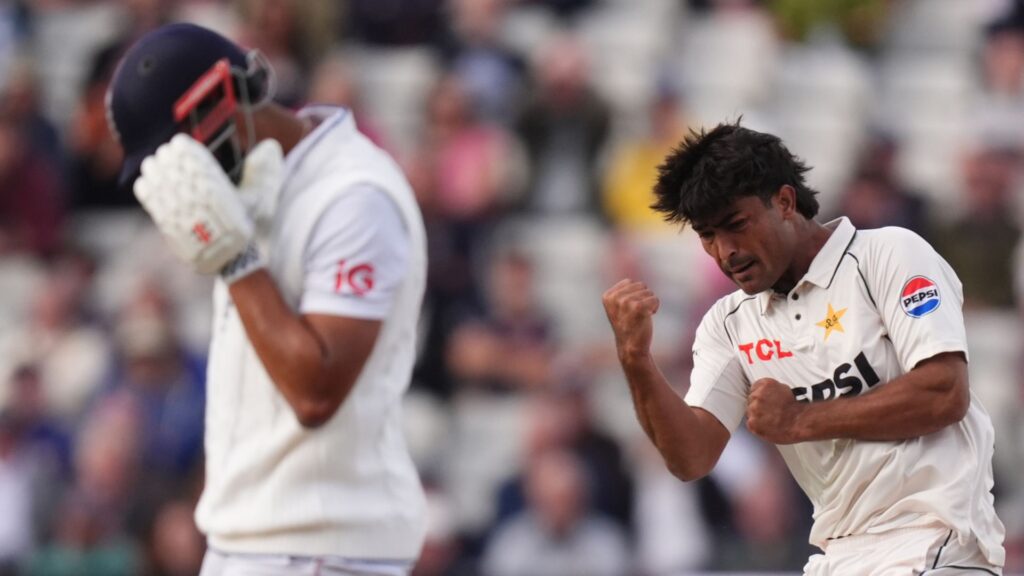
Former England captain Nasser Hussain highlighted a worrying trend in his post‑match analysis: Joe Root, England’s most reliable run‑scorer in the past decade, has been dismissed leg‑before‑wicket (lbw) far more often since the Bazball era began. In the last twelve Tests, Root has been out lbw eight times, a proportion that doubles his career average.
The problem is compounded by a striking lack of conversions. Despite regularly reaching the 50‑run mark, Root has managed only one century in the same period, a stark contrast to his 22 centuries before 2022. The combination of frequent lbw dismissals and an inability to push past the half‑century barrier has left England with a series of solid starts that never turn into match‑defining innings.
Hussain argued that the issue is not merely statistical; it reflects a deeper technical flaw in Root’s footwork against in‑swinging and off‑cut deliveries. He suggested that the batsman’s tendency to play across the line, a habit cultivated during his early years in county cricket, is now being punished by bowlers who have refined their targeting of the pads.
Why the slump matters for England’s global standing
England’s Test ranking, currently sitting at fifth, hinges on the ability of its top order to post big scores against high‑quality attacks. The century drought has already cost the team two points in the ICC standings after the recent series against Australia, where England lost by narrow margins despite posting respectable totals.
Beyond rankings, the batting slump threatens the financial model built around Bazball. Sponsors and broadcasters, especially in emerging markets like India and the Middle East, have bet on high‑scoring, thrilling cricket. A pattern of half‑centuries without conversion could erode viewership, prompting renegotiations of lucrative TV deals that fund the England and Wales Cricket Board’s (ECB) grassroots programmes.
The ripple effect also reaches the player market. Young English talent, watching their senior stars struggle, may question the viability of the aggressive style, potentially influencing the next generation’s technique and temperament. This could shift the talent pipeline away from the fearless brand that Bazball promised.
African angle: South Africa tour, broadcast revenue and diaspora interest
England’s next major challenge is the three‑Test series in South Africa slated for December 2026. South Africa’s pace attack, led by the revived fast bowler Kagiso Rabada, is renowned for extracting bounce and swing that traditionally trouble England’s top order. Root’s current LBW vulnerability could be magnified on the fast, bouncy pitches of Johannesburg and Durban.
The series holds significant commercial weight for both boards. The ECB’s agreement with SuperSport and DStv guarantees a combined broadcast revenue of roughly £45 million, a sum that funds cricket development programs across England and, indirectly, in several African nations through ECB’s partnership schemes. A competitive series could boost those earnings, while a one‑sided contest might dampen future investment in African cricket infrastructure.
For the African diaspora, especially Nigerians, Ghanaians and Kenyans living in the UK, the England‑South Africa Tests are a cultural touchstone. These communities follow the games on local radio stations and social media groups, and the outcomes influence cricket participation rates back home. A strong English performance could inspire more African‑born players to seek county contracts, whereas a collapse could reinforce the narrative that African conditions demand a different batting approach.
Reactions from the cricketing community
Within the England camp, head coach Brendon McCullum has publicly urged patience, noting that “technical adjustments take time, especially for a player of Root’s experience.” He also hinted at a possible role change, suggesting that Root could bat slightly deeper to give him more time to gauge the swing before committing to a shot.
Former England greats, including Alastair Cook and Ian Bell, echoed Hussain’s concerns on cricket podcasts, arguing that the team should consider a specialist middle‑order batsman for the South Africa tour. Their commentary sparked a lively debate on social media, with many fans defending Root’s track record while others called for a bold reshuffle.
South African analysts, writing for SA Cricket Mag, pointed out that the English side’s over‑reliance on a single anchor is a strategic weakness. They highlighted the success of the Proteas’ recent “dual‑anchor” model, where two batsmen share the responsibility of building long innings, a tactic England might emulate if Root’s form does not improve.
What’s next: possible adjustments and broader implications
The immediate priority for England is a technical overhaul for Root. Sources close to the dressing room say that a specialist batting coach, former Sri Lankan swing specialist Mahela Jayawardene, will work with Root on pad‑play and foot‑movement during the upcoming training camp in Dubai. The aim is to reduce the lbw frequency before the South African series begins.
Strategically, the ECB may broaden its batting depth by fast‑tracking younger talent such as 22‑year‑old Zak Crawley and overseas‑qualified players like West Indian‑born Tom Banton, who have shown a knack for converting starts into big scores in limited‑overs cricket. Integrating these players could diversify England’s attack and lessen the pressure on Root.
On a continental level, the outcome of the England‑South Africa series could reshape the perception of Test cricket in Africa. A competitive series would reinforce the viability of the longer format on the continent, encouraging more African nations to invest in Test‑status infrastructure. Conversely, a one‑sided series might accelerate the shift toward T20 leagues, where African players already dominate.
Quick Answers
Why is Joe Root’s LBW problem a concern for England’s Test side?
Root’s high rate of LBW dismissals means England loses a steady run‑scorer early, reducing the chance of posting big totals needed for wins and affecting their ICC ranking.
How could England’s upcoming South Africa tour affect African cricket markets?
The series is worth about £45 million in broadcast rights, funds ECB’s African development programmes, and influences diaspora viewership, which can boost or curb cricket investment in African nations.
What steps are being taken to fix Root’s batting issues before the South Africa series?
England has hired a specialist batting coach to work on Root’s footwork and pad play, and may adjust the batting order to give him more time to settle before facing South African pace.
Source: www.skysports.com




💬 Comments 0