Netflix’s ‘Blood Sacrifice’ (2026) Review: Why the Swedish Crime Thriller Matters for African Viewers
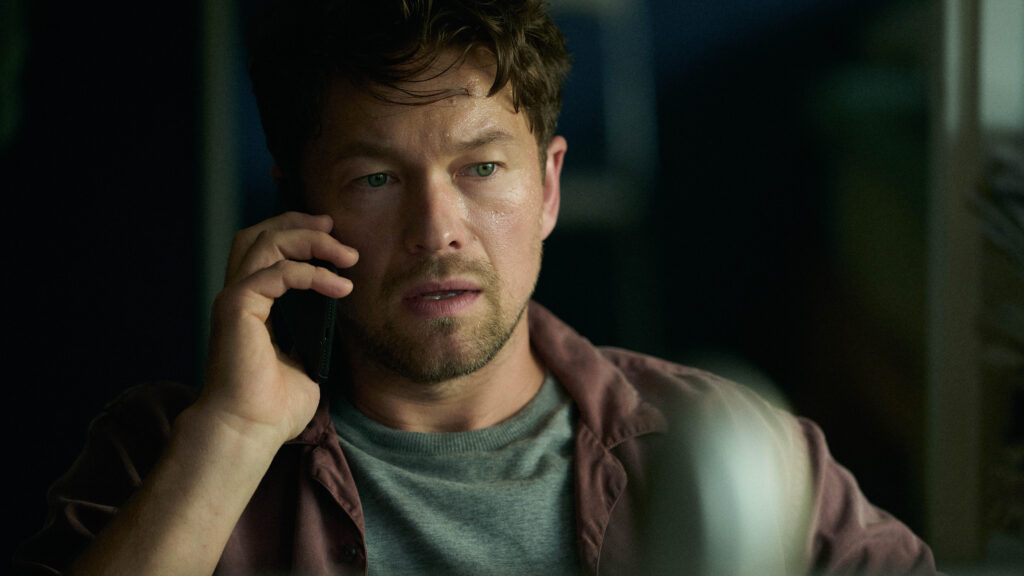
Background – Netflix’s Nordic Noir Playbook and George Kay’s Track Record
Netflix has been betting heavily on the Nordic noir formula ever since the breakout success of “The Bridge” and “Wallander.” By 2026 the platform has a catalogue of more than a dozen Swedish‑language thrillers, each promising bleak landscapes, morally ambiguous detectives and a slow‑burn narrative. “Blood Sacrifice,” the latest entry, arrives as the third collaboration between Netflix and British‑American writer‑producer George Kay, whose résumé already includes the high‑octane heist series “Lupin” and the pandemic‑era drama “Hijack.”
Kay’s involvement signals a shift from pure procedural storytelling to a more character‑driven approach. The series follows Detective Erik Bergström, a veteran of Stockholm’s homicide unit, as he wrestles with the cumulative trauma of repeated exposure to violent crime. The show’s creators deliberately foreground the psychological toll on officers and the ripple effects on their families, positioning the series as both a crime thriller and a commentary on institutional fatigue.
What the Show Unpacks – Police Mental Health and Institutional Ineptitude
Unlike classic noir where the police are either heroic or corrupt, “Blood Sacrifice” paints them as exhausted humans caught in a system that lacks adequate support. Episodes weave together brutal murder investigations with scenes of Bergström’s sleepless nights, therapy sessions that are often dismissed by his superiors, and strained relationships with his teenage daughter. The series uses stark cinematography – long shots of snow‑covered streets juxtaposed with claustrophobic interior lighting – to visually echo the protagonist’s inner turmoil.
Critics have noted that the series does not shy away from exposing procedural failures: missed evidence, bureaucratic red‑tape, and a chain of command that prioritises clearance rates over officer wellbeing. By doing so, Kay adds a layer of social critique that resonates beyond Sweden, tapping into a global conversation about how law‑enforcement agencies handle (or ignore) mental health.
Why It Matters Globally – Streaming Wars, Mental‑Health Discourse, and the Crime‑Drama Blueprint
The launch of “Blood Sacrifice” comes at a time when streaming giants are scrambling for differentiated content that can hook both niche and mass audiences. Netflix’s investment in a high‑budget Swedish drama demonstrates its confidence that well‑crafted, language‑specific series can outperform generic English‑language productions in subscriber growth. Early data from Netflix’s Q2 2026 earnings show a 4.2% uptick in viewership from the Nordic region, with a noticeable spill‑over into other European markets.
Beyond numbers, the series contributes to an emerging wave of crime dramas that foreground mental‑health narratives. Shows like “The Night Agent” (USA) and “Mare of Easttown” (UK) have already opened the door for audiences to empathise with detectives as flawed humans. “Blood Sacrifice” pushes this trend further by embedding institutional critique into its plot, a move that could influence future series across continents, including Africa, where police reform is a hot‑button issue.
African Angle – How a Swedish Thriller Touches African Audiences and Content Creators
Netflix’s subscriber base in Africa crossed the 70‑million mark in early 2026, with South Africa, Nigeria and Kenya leading the pack. According to a report by the African Media Institute, crime‑drama remains one of the most‑watched genres on the platform across the continent, outpacing romance and comedy by a margin of 12%. “Blood Sacrifice” therefore arrives at a moment when African viewers are primed for gritty, character‑driven thrillers.
The series also offers a template for African creators grappling with similar policing challenges. In countries such as Nigeria and Kenya, police misconduct and the lack of mental‑health support for officers have sparked public outcry and legislative proposals. By showcasing a narrative that humanises officers while condemning systemic neglect, “Blood Sacrifice” provides a storytelling framework that African writers can adapt to local contexts – for instance, the upcoming Kenyan series “Kijiji Shadows,” which is already citing the show as an inspiration for its depiction of Nairobi’s precincts.
What’s Next – Potential Seasons, Co‑Production Opportunities, and the Future of Crime Drama in Africa
Netflix has confirmed a second season for “Blood Sacrifice,” slated for a late‑2027 release. Sources close to the production say the writers plan to deepen the exploration of institutional reform, possibly introducing a whistle‑blower storyline that mirrors real‑world investigations into police misconduct. This narrative direction could open doors for cross‑regional collaborations, especially if Netflix decides to film parts of the sequel in a European‑African co‑production model.
For African markets, the ripple effect could be significant. Netflix’s recent “African Originals” fund, which allocated $200 million in 2025, is already earmarked for genre‑specific projects, including crime dramas that address local policing issues. Industry observers predict that the success of “Blood Sacrifice” will encourage more African creators to pitch series that blend procedural intrigue with social commentary, thereby enriching the global crime‑drama ecosystem while giving African audiences stories that reflect their own realities.
Quick Answers
What is Netflix’s ‘Blood Sacrifice’ about?
‘Blood Sacrifice’ follows Stockholm detective Erik Bergström as he investigates brutal murders while coping with the mental‑health strain of relentless police work.
When did ‘Blood Sacrifice’ premiere on Netflix?
The series debuted worldwide on August 14, 2026.
Why should African viewers care about a Swedish crime drama?
African audiences are avid fans of crime thrillers, and the show’s focus on police mental health mirrors policing challenges across the continent, offering a narrative blueprint for local creators.
Source: variety.com




💬 Comments 0