Norway federation chief urges Infantino to quit as Mexico backs him – 2026 FIFA crisis
Background: Infantino’s troubled tenure
Gianni Infantino has been at the helm of world football since 2016, steering FIFA through a series of high‑profile projects such as the expansion of the World Cup and the launch of the Women’s Club World Cup. Yet his time in office has also been marred by accusations of opaque governance, alleged conflicts of interest, and a growing rift with several national associations that feel sidelined by his centralised decision‑making.
The latest flashpoint emerged after a series of leaked internal emails suggested that Infantino had intervened in the selection process for the 2027 Women’s World Cup host, a move that many European federations condemned as a breach of FIFA’s own statutes. While the federation’s executive committee voted to keep him in place, dissent grew louder, culminating in Norway’s federation president publicly demanding his resignation.
Norway’s call is not the first challenge to Infantino’s authority, but it is the most direct. In a televised interview, the Norwegian president said there was “no longer any trust” in the FIFA president, a sentiment that echoes concerns voiced by smaller federations across the continent who fear their voices are being drowned out by a handful of powerful members.
Norway’s unprecedented demand
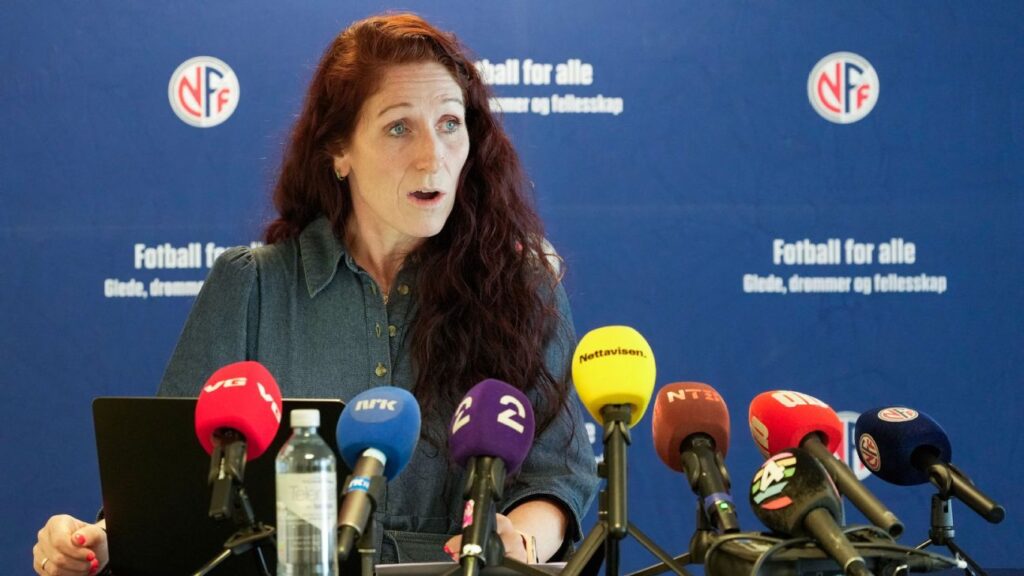
The Norwegian Football Federation (NFF) announced on Tuesday that it would formally submit a motion to the FIFA Council urging Infantino to step down. The motion, drafted in collaboration with several Scandinavian counterparts, cites a “breakdown of confidence” and calls for an independent audit of the recent host‑selection processes.
In a press conference, NFF president Karianne Lunde explained that the federation’s stance was driven by a duty to protect the integrity of the sport, adding that “when the global governing body loses credibility, every member association suffers, from grassroots clubs to elite national teams.” Her remarks were met with applause from a small but vocal crowd of journalists and former players.
Norway’s move is significant because it breaks the usual diplomatic silence that surrounds FIFA’s internal politics. By publicly demanding a resignation, the NFF has forced other federations to clarify their positions, turning what could have been a private power struggle into a public debate about governance, transparency, and the future direction of world football.
Latin American backing vs African silence
While Norway pressed for Infantino’s ouster, two of football’s most influential nations in the Global South – Mexico and Argentina – issued statements defending the FIFA chief. Mexico’s federation president, Luis García, said Infantino had “provided stability and growth” for the sport in the region, especially through the recent financial packages that bolstered youth academies.
Argentina’s support came in the form of a joint communiqué with Brazil, highlighting Infantino’s role in securing the 2026 World Cup for North America and promising continued collaboration on South American development projects. The backing of these powerhouses underscores the geopolitical split within FIFA, where Latin American unions often prioritize short‑term financial gains over governance reforms.
African federations, by contrast, have remained largely silent in the public arena. Sources close to the Confederation of African Football (CAF) say that many African executives are wary of appearing to side against Infantino, fearing retaliation that could jeopardise the continent’s share of FIFA’s development funding. Yet behind the scenes, several African associations, including Nigeria’s NFF and South Africa’s SAFA, have been discussing contingency plans in case of a leadership vacuum.
What the crisis means for African football development
FIFA’s development programme allocates roughly $1 billion annually to projects across Africa, ranging from stadium upgrades to coaching education. If Infantino were to resign, the immediate concern for African unions would be the continuity of these funds. An interim president could renegotiate or even suspend programmes while a new leadership structure is established, leaving millions of African players and clubs in limbo.
Beyond the financial aspect, the governance debate touches on representation. African nations have long argued that they receive a disproportionately low share of seats on FIFA’s executive board relative to their player base. A leadership change could open a window for reforms that increase African voting power, a prospect that many CAF officials have quietly championed in private meetings.
Moreover, the controversy arrives at a crucial moment for Africa’s bid to host a future major tournament. The continent is positioning itself for a joint bid to host the 2030 World Cup, and any instability at FIFA could either weaken the bid’s credibility or, conversely, give African diplomats leverage to negotiate concessions in exchange for supporting a new president.
Possible paths forward for FIFA and African stakeholders
One scenario envisions an extraordinary FIFA Congress where a new president is elected by a coalition of European, Asian, and African federations. In that case, African leaders could push for a clause guaranteeing a minimum of three African seats on the executive committee, a demand that has been floated in CAF’s strategic plan for 2025‑2030.
Alternatively, the organisation could opt for a caretaker administration led by a senior FIFA official, maintaining the status quo while a thorough investigation into the alleged misconduct proceeds. This route would likely preserve existing funding streams, but it would also risk perpetuating the very transparency deficits that triggered Norway’s protest.
For African fans and players, the outcome will shape everything from the quality of grassroots facilities to the chances of seeing an African nation host the World Cup. Stakeholders are therefore monitoring the situation closely, preparing statements, and, where possible, lobbying their regional allies to ensure that any transition safeguards the continent’s footballing future.
Quick Answers
Why did Norway’s football federation president call for Gianni Infantino to resign?
He said a loss of trust and alleged interference in host‑selection processes made Infantino unfit to lead FIFA.
Which African nations could be most affected if FIFA’s leadership changes?
Nigeria, South Africa, and Egypt rely heavily on FIFA development funds and would risk funding disruptions during a leadership transition.
How might the Infantino controversy influence Africa’s 2030 World Cup bid?
A leadership change could either weaken the bid’s credibility or give African officials bargaining power to secure concessions in exchange for supporting a new president.
Source: www.espn.com




💬 Comments 0