NWSL drops ‘Rodman rule’ restrictions in 2026, making High Impact Player status open to all
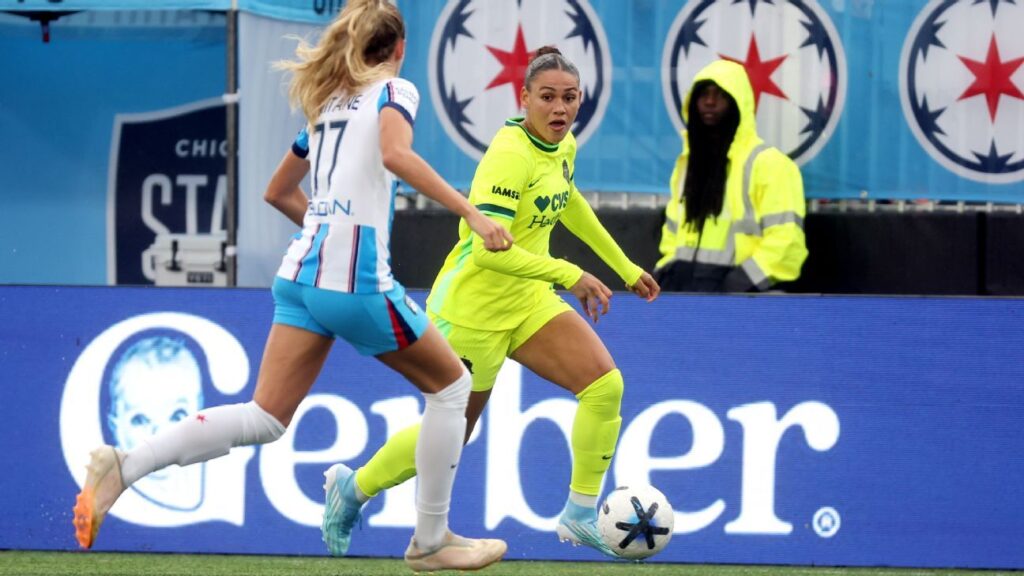
What the ‘Rodman rule’ was and why it mattered
The so‑called “Rodman rule” was a clause in the NWSL’s collective bargaining agreement that limited the High Impact Player (HIP) designation to athletes who met a narrow set of performance and market‑ability criteria. It was introduced in 2022 as a way for clubs to earmark a handful of marquee players for higher salaries and marketing focus, mirroring a similar approach used in other U.S. leagues. Critics argued that the rule created a two‑tier system, leaving many solid contributors ineligible for the financial boost despite their importance on the pitch.
Because the HIP tag carried a salary premium and guaranteed a share of league‑wide revenue, the restriction sparked debate among players and agents. Those outside the elite list felt they were being penalised for not fitting a subjective profile, while clubs worried about budget predictability. The rule’s nickname referenced NBA legend Dennis Rodman, whose unconventional style was used as a metaphor for “non‑standard” talent being excluded from top‑tier contracts.
The agreement: removing the qualification hurdle
On 22 October 2026 the NWSL and the NWSL Players Association announced a joint decision to eliminate the restrictive qualifications attached to the HIP rule. Under the new wording, any player who meets the league’s baseline contract standards can be nominated for HIP status, subject to a transparent points‑based assessment that the league will publish each season.
The change was secured after months of collective‑bargaining talks, during which the players’ union highlighted the rule’s incompatibility with the league’s broader equity goals. The revised clause also introduces a cap on the total number of HIP slots per team, but that cap is set at a level that accommodates most rosters, ensuring the rule is no longer a gate‑keeping tool.
Why the shift matters for the league and its athletes
Removing the barrier levels the playing field, allowing mid‑tier performers—often the unsung workhorses—to negotiate higher wages and secure better endorsement deals. This could tighten the wage gap that has historically favoured a small group of star forwards, leading to a more balanced distribution of talent and financial security across squads.
For the NWSL’s commercial partners, a broader pool of HIP‑eligible players means more marketable faces to showcase in campaigns, potentially expanding the league’s appeal beyond its core fan base. The move also signals to investors that the league is committed to sustainable growth through equitable labor practices, a factor that could influence future expansion bids and media rights negotiations.
Opening doors for African talent and the diaspora
The rule change arrives at a time when more African women footballers are eyeing the NWSL as a pathway to professional development. Players such as Ghana’s Priscilla Okyere and Nigeria’s Chidinma Okeke have spoken about the league’s visibility and the chance to train alongside world‑class talent. By making HIP status accessible to any eligible player, clubs can now reward African imports who consistently perform, rather than reserving the premium for a handful of North‑American stars.
Diaspora communities in the United States and Europe, many of whom follow both local clubs and African national teams, stand to benefit from increased representation. When an African player earns a HIP designation, it can translate into higher wages, better contract stability, and greater media exposure—factors that inspire younger athletes back home and attract sponsors eager to tap into the growing African women’s football market.
A broader trend in women’s sport labor rights
The NWSL’s decision mirrors recent reforms in other women’s leagues, such as the WNBA’s new free‑agency rules and the FA Women’s Super League’s salary‑cap adjustments. Across the globe, players’ unions are pushing for contracts that reflect the commercial growth of women’s sport, demanding transparency and fairness in compensation structures.
Analysts see the HIP overhaul as part of a larger shift toward collective bargaining that treats women’s leagues as mature businesses rather than experimental projects. By aligning compensation mechanisms with performance metrics that are openly disclosed, leagues can build trust with athletes, fans, and investors alike—a prerequisite for long‑term financial stability.
What’s next for the NWSL and its stakeholders
The league will roll out the new HIP evaluation framework ahead of the 2027 season, with the first public report slated for March 2027. Clubs are expected to incorporate the updated criteria into their roster planning, while agents will likely renegotiate contracts for players poised to benefit from the change.
Beyond the immediate payroll implications, the NWSL’s move may set a precedent for other emerging markets, including the upcoming African Women’s Super League proposals in South Africa and Kenya. If those leagues adopt similar inclusive compensation models, the ripple effect could accelerate professionalisation across the continent, offering more viable career pathways for African women footballers.
Quick Answers
What is the High Impact Player rule in the NWSL?
It is a designation that grants a salary premium and a share of league revenue to players deemed to have a high on‑field and commercial impact.
How does the removal of the ‘Rodman rule’ affect African players in the NWSL?
It allows any eligible African player to qualify for the HIP premium, giving them better pay and visibility, which can boost their careers and inspire talent back home.
When will the new HIP criteria be applied?
The revised framework will be implemented for the 2027 season, with the first public evaluation report due in March 2027.
Source: www.espn.com




💬 Comments 0