NWSL’s new sponsorship rule forces players to share brand deals, sparking backlash from US stars and African diaspora talent
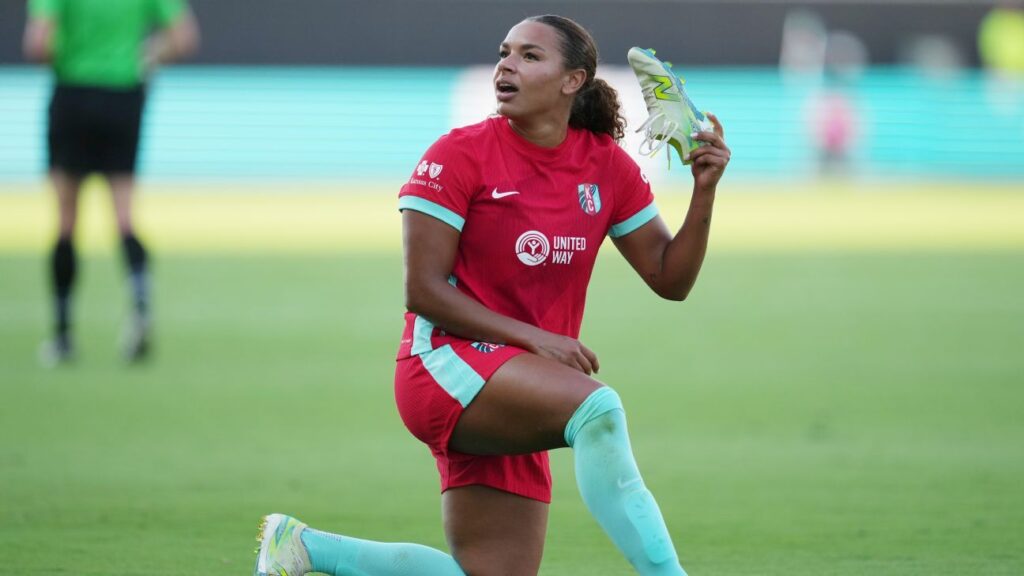
Background: How player sponsorships have evolved in women's soccer
Since the early 2010s, individual endorsement deals have become a vital income stream for women’s soccer players, especially in leagues where salaries remain modest compared to their male counterparts. The National Women's Soccer League (NWSL) has traditionally allowed athletes to negotiate their own shoe, apparel and lifestyle contracts without league interference, a policy that helped stars like Megan Rapinoe and Alex Morgan build global personal brands.
In recent years, the league’s commercial arm has grown dramatically, signing multi‑year broadcast agreements and securing league‑wide kit deals with major manufacturers. This financial expansion has prompted league officials to argue that a share of players’ personal sponsorships is justified to fund marketing, infrastructure and the long‑term sustainability of the competition.
The new rule, announced in August 2026, requires any player who signs a brand partnership to remit a 15‑percent commission to the NWSL or risk a fine of up to $5,000 per violation. The policy applies to all deals, whether with global giants like Nike or regional firms targeting African markets.
What the rule actually says and how it will be enforced
Under the league’s wording, the commission is calculated on the gross value of the contract before taxes and is payable directly to the NWSL’s commercial department. Players who decline to comply will receive a formal notice, after which the league can impose the fine and, according to the league’s handbook, may suspend the player’s eligibility to play until the matter is resolved.
The enforcement mechanism relies on the league’s existing player‑registration system. Sponsors must disclose contract terms to the league, which will then audit the figures. Critics argue that this creates a bureaucratic hurdle that could deter smaller brands, especially those based in Africa, from approaching NWSL athletes.
The rule also includes a clause that allows the league to negotiate a “league‑wide” endorsement on behalf of all players for a single sponsor. In that scenario, the revenue would be pooled and distributed according to a formula set by the league, a model similar to the NBA’s collective bargaining agreement for jersey sponsorships.
Why the policy matters for players, clubs and the broader women’s game
Financially, the commission could shave off a significant portion of a player’s earnings. For a mid‑tier athlete earning $30,000 from a shoe deal, a 15‑percent cut translates to $4,500 – a sum that rivals some players’ monthly salaries. This has reignited debate over pay equity, with many arguing that the league should raise base wages instead of tapping into personal deals.
From a branding perspective, the rule threatens the authenticity that fans associate with individual athletes. Players often partner with niche companies that reflect their personal stories – for example, a Nigerian‑born striker promoting a grassroots football academy in Lagos. A league‑wide commission could dilute those narratives, making the sport feel more corporate and less connected to local communities.
Clubs worry about the potential fallout on locker‑room morale. If star players feel penalised for leveraging their marketability, they may request trades or opt out of contract extensions, which could destabilise team chemistry and affect on‑field performance, especially ahead of the 2027 World Cup qualifiers.
African diaspora players and the untapped market on the continent
The rule has particular resonance for African‑born players such as Uchenna Kanu, the Nigerian forward who joined Racing Louisville in 2023. Kanu has spoken publicly about her desire to sign a partnership with a Lagos‑based sportswear brand that supplies kits to grassroots clubs across West Africa. Sources say the league’s commission could make that deal financially unattractive for both parties.
African brands see the NWSL as a gateway to a growing fan base among the diaspora in the United States and Europe. According to a 2025 market study by PwC Africa, viewership of NWSL matches among African‑origin audiences grew by 42 % over two years, creating a lucrative advertising platform for companies like Jumia, MTN and local sneaker manufacturers. The new rule could discourage these firms from entering negotiations, limiting their exposure and slowing the commercialization of African football culture abroad.
Beyond economics, the policy could affect representation. When African‑heritage players secure deals that highlight their cultural roots, they become role models for young girls back home. If the league’s cut erodes the feasibility of such partnerships, the visibility of African talent in global women's soccer may diminish, undermining years of progress made by initiatives like the CAF Women’s Football Development Programme.
What’s next: potential push‑back, legal challenges and alternative models
The Players Association (NWSLPA) has filed a grievance alleging that the commission breaches existing collective‑bargaining provisions that guarantee players’ right to earn independent income. In a statement, the union warned that a prolonged dispute could lead to a work‑stoppage, echoing the 2023 MLS players’ strike over similar commercial rights issues.
Legal experts suggest that the rule may be vulnerable under US labour law, which protects employees from undue employer control over outside earnings. A pending lawsuit filed by a group of players in California claims the policy amounts to an unlawful wage deduction. The case could set a precedent for other women’s leagues worldwide, including the English Women’s Super League, which is watching the NWSL’s approach closely.
Some clubs are already exploring work‑arounds. A handful of teams have begun offering “brand‑deal assistance” services, where the club negotiates on behalf of the player and retains a smaller, mutually agreed‑upon fee. This hybrid model mirrors how European football clubs manage individual sponsorships for their stars, and could become a template if the league’s top‑down approach faces sustained resistance.
Quick Answers
What is the NWSL's new rule on player sponsorships?
The league now requires players to give the NWSL a 15 % commission on any personal brand deal or face a fine of up to $5,000 per breach.
How could the rule affect African‑born NWSL players?
It may make deals with African companies less financially viable, limiting players like Nigeria’s Uchenna Kanu from partnering with local brands and reducing African market exposure.
What actions are players taking against the policy?
The NWSL Players Association has filed a grievance and a lawsuit alleging the commission violates collective‑bargaining rights, and some clubs are offering alternative sponsorship support.
Source: www.espn.com




💬 Comments 0