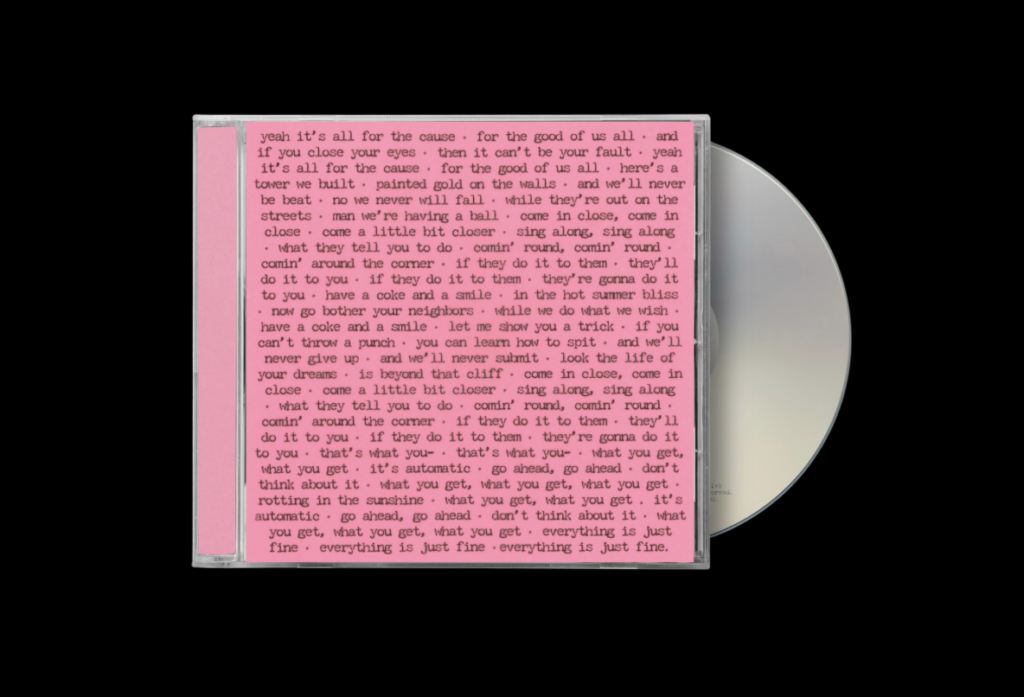
Olivia Rodrigo releases Handmaid’s Tale‑inspired single ‘Serena Joy’ (2026) – limited CD drop
Background: Olivia Rodrigo’s feminist turn
Since her breakout in 2021, Olivia Rodrigo has built a reputation for raw, confessional pop, but the past year has seen her lean heavily into feminist branding. Her all‑female festival, Daisy Chain Fields, announced for Orange County, is marketed as a safe space for women artists and fans, echoing the rise of gender‑focused events across the United States.
The shift is not merely cosmetic; Rodrigo has been vocal about reproductive rights, gender equality, and the importance of women’s narratives in mainstream media. Interviews with Rolling Stone and Billboard have highlighted her desire to use her platform to amplify stories that mainstream pop often sidesteps.
This context matters because it frames the release of “Serena Joy” as part of a broader strategy rather than a one‑off novelty. By tying a new track to a well‑known feminist novel, Rodrigo signals that her artistic choices are now deliberately political.
The song ‘Serena Joy’: literary roots and lyrical content
“Serena Joy” borrows its title from the wife‑character in Margaret Atwood’s dystopian novel The Handmaid’s Tale, a figure who embodies both complicity and rebellion within an oppressive regime. The track’s verses echo the novel’s themes of surveillance, bodily autonomy, and the tension between public duty and private desire.
Lyrically, Rodrigo juxtaposes personal heartbreak with broader commentary, singing about “silenced voices in a quiet room” while the chorus swells with a chant‑like hook that mirrors protest chants heard at women’s marches. Critics from The Guardian have noted that the song’s bridge cleverly mirrors the novel’s famous line, “Nolite te bastardes carborundorum,” repurposed as a pop‑culture rallying cry.
Musically, the production blends acoustic guitar with a synth‑driven beat, creating a soundscape that feels both intimate and anthemic. This hybrid approach mirrors the duality of the novel’s setting—personal stories set against a systemic nightmare—making the track instantly relatable to listeners familiar with Atwood’s work.
Why a tiny CD run matters in the streaming age
Rodrigo’s decision to issue a limited run of physical CDs—only 5,000 copies worldwide—defies the prevailing industry trend toward pure digital drops. In a market where streaming accounts for over 80% of global music revenue, a scarcity‑driven physical release creates a sense of collectibility that can boost fan engagement.
The move also taps into a growing niche among younger listeners who value tangible music artifacts as status symbols. According to a 2025 Nielsen report, sales of limited‑edition vinyl and CDs have risen 12% year‑over‑year, driven largely by Gen‑Z’s desire for “real” experiences in an increasingly virtual world.
For artists, a small‑scale CD launch can serve as a testing ground for pricing strategies, merchandising bundles, and direct‑to‑consumer sales models that bypass traditional record‑label distribution channels. It also provides an additional revenue stream that can be reinvested into touring, especially important as live‑music markets reopen post‑pandemic.
African and diaspora resonance: feminist pop meets local activism
While the Handmaid’s Tale is set in a fictional North American theocracy, its core concerns echo ongoing battles for women’s rights across Africa. In Nigeria, for example, activists continue to protest restrictive abortion laws and gender‑based violence, often using music and poetry as protest tools.
Rodrigo’s track has already sparked conversation on African social media platforms like Twitter Africa and TikTok Nigeria, where users are remixing the chorus with local languages and pairing it with footage from recent women’s marches in Lagos and Nairobi. This organic appropriation shows how Western pop can be reframed to amplify regional feminist narratives.
Furthermore, the limited CD release presents a unique opportunity for African indie labels and boutique retailers to import and sell a scarce product, potentially at a premium. Some Nigerian record stores have announced pre‑order lists, signalling that even a Western pop artifact can become a coveted item in African music markets.
The diaspora angle is equally significant. African‑American and Caribbean fans, many of whom already follow Rodrigo’s music, are using the song as a bridge to discuss Atwood’s novel in community book clubs, linking literary activism with pop culture. This cross‑cultural dialogue underscores how a single track can catalyse broader conversations about gender, power, and representation.
What’s next: potential ripple effects and industry response
Industry analysts predict that Rodrigo’s “Serena Joy” could inspire more mainstream artists to embed literary or political references in their singles, especially as streaming algorithms reward tracks that generate high engagement on social platforms. A Bloomberg piece earlier this week suggested that record labels are already scouting for “novel‑inspired” songs as a new marketing hook.
For the feminist music scene, the release may embolden other women artists to experiment with limited physical formats as a way to fund activist projects. A spokesperson for the African Women’s Music Collective confirmed that they are exploring a collaborative EP that would pair African spoken‑word poets with Western pop producers, citing Rodrigo’s strategy as a “proof of concept.”
Finally, the digital rollout slated for next month will be closely watched for streaming numbers in Africa. If the song charts within the top 20 on Apple Music Africa or Spotify’s “African Pop” playlist, it could signal that Western feminist pop is resonating beyond its traditional markets, prompting labels to allocate more promotional budgets toward African streaming services.
Quick Answers
What is Olivia Rodrigo’s song ‘Serena Joy’ about?
It’s a pop track that references Margaret Atwood’s The Handmaid’s Tale, using the character Serena Joy to explore themes of female agency, surveillance, and resistance.
When will the digital version of ‘Serena Joy’ be released?
The digital release is scheduled for early September 2026, a few weeks after the limited CD drop.
How can fans in Africa purchase the limited CD?
African fans can pre‑order through select online retailers that ship internationally, or they can look for the CD at specialty music stores in major cities like Lagos, Nairobi, and Johannesburg.
Source: variety.com




💬 Comments 0