Pochettino cautions USMNT on teen stars Cavan Sullivan, Julian Hall ahead of 2026 World Cup
Background: Pochettino’s vision for a youthful USMNT
When Mauricio Pochettino took over the United States men’s national team in early 2024, he inherited a squad that had relied heavily on a core of veterans who had carried the side through two World Cups. The Argentine‑born coach, known for his emphasis on high‑pressing and technical flexibility, quickly signalled a shift towards a younger, more dynamic pool of players, hoping to build a team that could compete on home soil in 2026.
The timing of Pochettino’s appointment coincided with an unprecedented surge of talent emerging from Major League Soccer academies and the U‑23 development pipeline. Players like Gio Reyna, Christian Pulisic and Brenden Aaronson have already become fixtures, but the coach has repeatedly warned that depth will be tested once the tournament arrives. Consequently, the national team’s scouting network has widened its net to include promising teenagers who are already making senior club appearances.
The buzz around Cavan Sullivan and Julian Hall
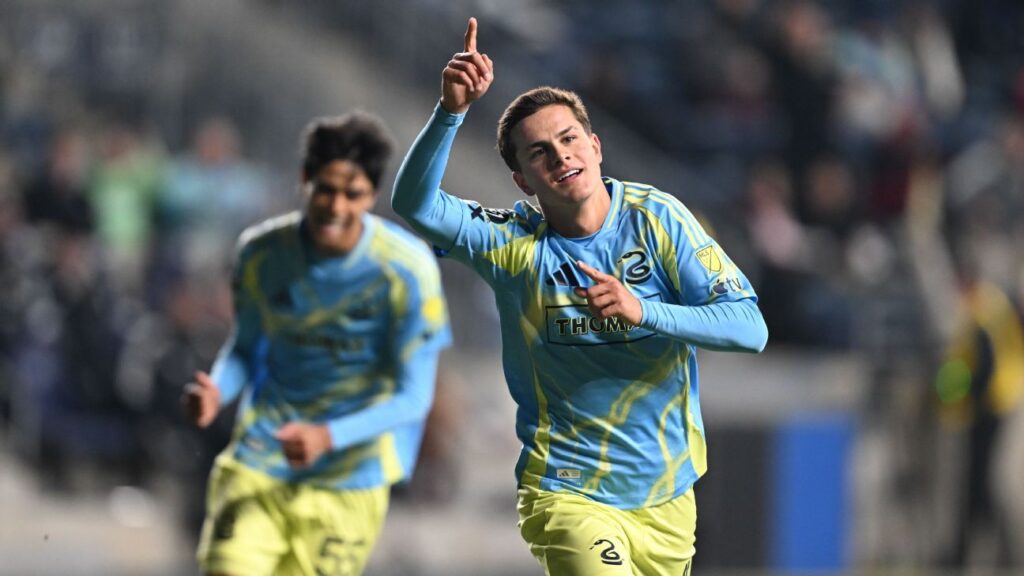
Philadelphia Union’s 17‑year‑old midfielder Cavan Sullivan has been lauded for his composure on the ball and his ability to dictate tempo from deep‑lying positions. In the past six MLS matches he has logged over 500 minutes, contributed two assists and shown a maturity that belies his age. His performances have sparked conversations on social media, with many fans urging Pochettino to give him an early senior call‑up.
Across the border, New York Red Bulls’ Julian Hall, a 19‑year‑old winger, has impressed with his explosive pace and directness in the final third. Hall’s eight goals and four assists in his debut season have attracted the attention of several European scouts, and his inclusion in the USL‑Championship “Best XI” last month added further credibility to his rising profile.
Why careful integration matters for the 2026 World Cup
Pochettino’s caution is rooted in the high stakes of the upcoming World Cup, which the United States will co‑host with Canada and Mexico. The tournament promises massive commercial revenue, heightened media scrutiny, and a chance for the USMNT to finally break past the quarter‑final barrier that has haunted them for decades. Introducing teenagers too early could expose them to pressure that hampers development, while also risking tactical instability for a side that needs consistency.
The coach’s public comment that “we need to be careful” reflects a strategic balance: give the youngsters enough exposure to accelerate their growth, but not so much that a single mistake derails the team’s momentum. This measured approach mirrors the way top European nations protect prodigies—think of England’s handling of Jude Bellingham or Germany’s gradual integration of Jamal Musiala.
Implications for African‑American and African diaspora talent
Both Sullivan and Hall have roots that resonate with the African‑American community. Sullivan’s mother is of Jamaican descent, while Hall’s father emigrated from Nigeria before settling in New York. Their rise underscores the growing pipeline of Black talent in U.S. soccer, a demographic that historically has been under‑represented at the senior national level.
For African diaspora families, seeing players with similar cultural backgrounds break through can inspire a new generation to pursue the sport seriously. Moreover, the visibility of these players may encourage MLS clubs to invest more in scouting and development programs within African‑American neighbourhoods, potentially widening the talent pool for both the USMNT and the African national teams that often compete for dual‑national players.
Broader trend: MLS as a launchpad for African talent
The United States’ domestic league has become an increasingly attractive destination for young African footballers seeking a foothold in professional football. In the past five years, players such as Ghana’s Mohammed Kudus, Senegal’s Sadio Mané (on loan), and Nigeria’s Victor Osimhen’s younger brother have used MLS to showcase their abilities before moving to Europe. This trend is reshaping the traditional pathway that once funneled African prospects directly to European academies.
When the USMNT embraces home‑grown talent that also carries African heritage, it creates a symbiotic relationship: MLS clubs gain marketability among diaspora fans, while African federations see their players gain exposure on a global stage. The careful nurturing of Sullivan and Hall could therefore serve as a blueprint for how the United States can become a hub for African‑descended talent without compromising competitive objectives.
What’s next: camp selections, scouting and market dynamics
Pochettino is expected to invite both Sullivan and Hall to the January training camp in Florida, where they will train alongside established internationals. Sources close to the coaching staff say the teenagers will likely feature in intra‑squad scrimmages but will not be guaranteed minutes in the upcoming friendlies against European opposition. Their performances will be evaluated not just on technical skill but also on mental resilience and tactical adaptability.
From a market perspective, a successful integration could boost the commercial value of both players, attracting endorsement deals from brands targeting the African‑American demographic. It could also spark interest from European clubs looking to tap into the US‑based talent pool, potentially leading to transfer fees that benefit MLS clubs financially. In short, the coach’s caution is as much about safeguarding a player’s career trajectory as it is about protecting the national team’s competitive edge.
Quick Answers
Why is Mauricio Pochettino hesitant to rush Cavan Sullivan and Julian Hall into the USMNT?
He wants to protect their development and avoid exposing them to high‑pressure situations before they are tactically and mentally ready for the 2026 World Cup.
How could the rise of Sullivan and Hall affect African‑American soccer prospects in the U.S.?
Their visibility highlights pathways for Black talent, encouraging MLS clubs to invest more in African‑American youth programs and inspiring the diaspora community.
What does this mean for MLS’s role in developing African players?
MLS is becoming a key stepping‑stone for African and African‑descended players, offering a platform that can lead to European moves while also feeding the USMNT talent pool.
Source: www.espn.com




💬 Comments 0