Portugal cost-of-living protesters arrested in Lisbon and Porto camps as police clear sites – 55 detained Oct 2026
Background: a wave of cost‑of‑living unrest across Europe
Since the middle of 2024, a series of demonstrations have swept through major European capitals, driven by soaring food prices, energy bills and stagnant wages. Portugal, long praised for its relatively low living costs, has not been immune. The government’s modest wage hikes failed to keep pace with inflation that peaked at 8.3% last year, prompting thousands of workers, pensioners and students to set up makeshift protest camps outside parliament buildings in Lisbon and Porto.
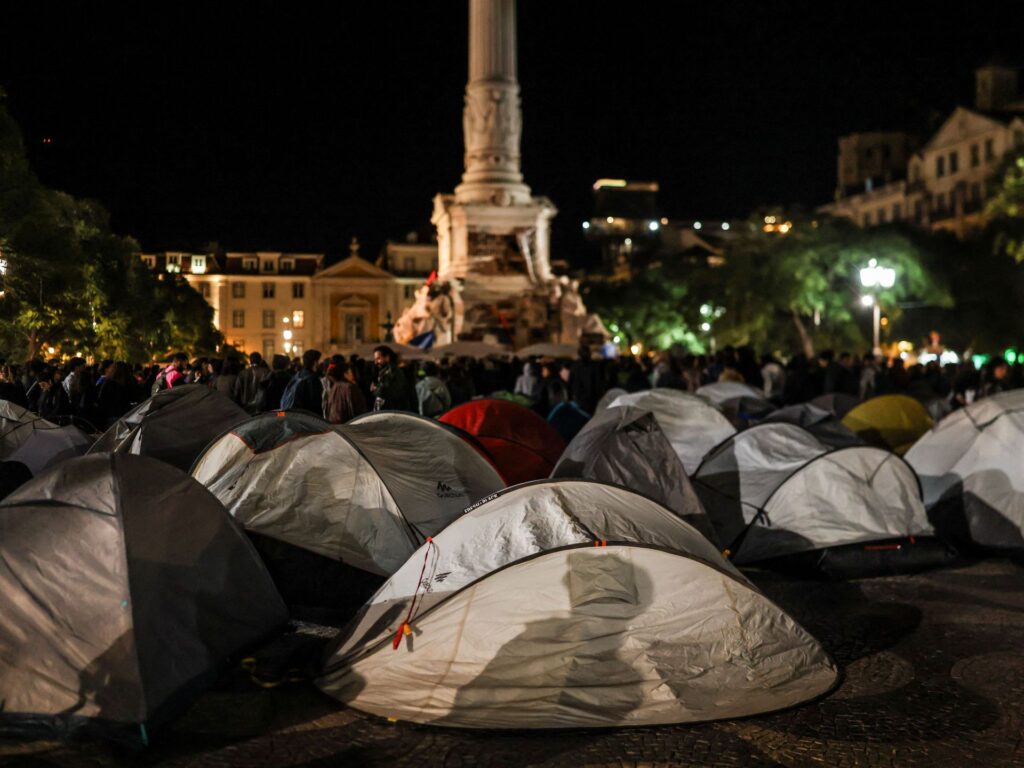
The camps, which began as temporary tents in March 2025, evolved into semi‑permanent structures where activists organised daily assemblies, shared meals and coordinated legal aid. Their presence was both a symptom of deepening economic anxiety and a political statement: a visible reminder that many Portuguese citizens feel abandoned by austerity‑leaning policies promoted by the European Union’s fiscal framework.
The police crackdown: 55 arrests as camps are cleared
In the early hours of 20 October 2026, police forces in Lisbon and Porto moved in to dismantle the protest encampments. According to a statement from the Portuguese Public Security Police (PSP), officers used specialized equipment to remove tents, portable kitchens and makeshift sanitation facilities, citing public‑order concerns and alleged violations of municipal codes.
The operation resulted in the detention of 55 demonstrators, including several organisers identified by the authorities as “key figures” in the movement. Lawyers for the arrested claim that many were taken without clear charges, while the government maintains that the arrests were lawful and necessary to restore order. Human rights NGOs, such as Amnesty International Portugal, have called for an independent review, warning that the heavy‑handed approach could exacerbate tensions.
Why it matters for Portugal and the wider European agenda
The clearing of the camps signals a turning point in Portugal’s domestic politics. Prime Minister António Costa’s centre‑left administration has been under pressure from both the left, demanding more aggressive social spending, and the right, accusing the government of tolerating lawlessness. By authorising the police action, the cabinet hopes to project a stance of firmness, yet it risks alienating a growing base of voters who see the move as a betrayal of the protest’s core grievances.
On a broader scale, the episode adds to a pattern of European governments confronting popular dissent over living‑cost issues. Recent weeks have seen similar crackdowns in Spain’s Catalonia region and Italy’s southern provinces. Analysts at the European Policy Centre argue that such responses could undermine the EU’s credibility on social policy, especially as the bloc prepares its next multi‑annual fiscal framework. If governments continue to prioritise order over dialogue, the risk of a continent‑wide escalation of unrest rises.
African diaspora perspective: Lusophone migrants feel the squeeze
Portugal’s protest movement has a distinct African dimension that mainstream coverage often overlooks. Roughly 600,000 people of African origin live in Portugal, many of them from Angola, Mozambique, Cape Verde and Guinea‑Bissau. These communities are disproportionately represented in low‑paid service jobs, sectors that have been hit hardest by the cost‑of‑living surge.
Community leaders in Lisbon’s Bairro Alto and Porto’s Bonfim districts have warned that the police operation could have a chilling effect on African migrants who already navigate a precarious legal status. “When the state removes the tents, it also removes a rare public space where we could organise mutual aid,” said Maria da Silva, a Cape Verdean activist with the NGO Luta por Justiça. Moreover, the arrests may disrupt informal networks that distribute food vouchers and emergency cash to vulnerable households, potentially increasing reliance on remittances from family members back in Africa.
What’s next: dialogue, legal battles and possible spill‑over
In the aftermath of the police action, opposition parties have called for a parliamentary inquiry into the legality of the arrests and the decision to dismantle the camps without prior negotiation. The Socialist Party’s parliamentary leader, João Ferreira, announced a “listening tour” across the country, promising to meet with protest representatives and civil‑society groups to draft a “cost‑of‑living charter”.
Legal experts predict that the detained activists will challenge their detentions before Portugal’s Constitutional Court, citing potential violations of the right to peaceful assembly. Meanwhile, NGOs are mobilising a solidarity campaign that includes street vigils, social‑media petitions and a crowdfunding drive to fund legal fees. If the government fails to open a genuine dialogue, there is a realistic chance that new, more dispersed protests could emerge, especially in university towns where students are also feeling the pinch of rising tuition and housing costs.
Quick Answers
How many people were arrested when police cleared the protest camps in Lisbon and Porto?
A total of 55 demonstrators were detained during the police operation on 20 October 2026.
What triggered the cost‑of‑living protests in Portugal?
Rising food and energy prices, coupled with wages that lag behind inflation, spurred citizens to set up protest camps demanding stronger social support.
How could the crackdown affect African migrants living in Portugal?
The removal of the camps may limit public spaces where African diaspora groups organise mutual‑aid, potentially worsening economic hardship for migrants who already face low wages.
Source: www.aljazeera.com




💬 Comments 0