Premier League 2025-26 title race: Arsenal beats Man City, VAR sparks African fan debate
Season snapshot and the latest shock
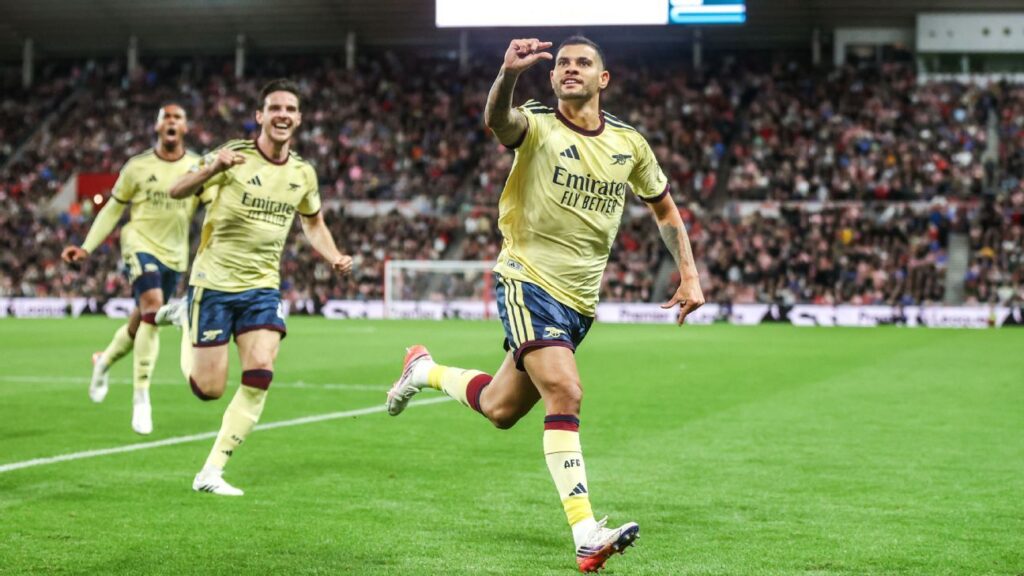
The 2025-26 Premier League campaign entered its 31st matchday with Arsenal perched on 71 points and Manchester City trailing by three. A 2-1 victory for the Gunners at the Emirates, secured by a late penalty, widened the gap and reignited talk of a decisive title run‑in. City, meanwhile, stumbled at home against Liverpool, conceding two late goals that left them on 68 points.
What made the weekend stand out was not just the scores but a series of contentious VAR interventions. Arsenal’s winning penalty was awarded after the video assistant reviewed a handball that many pundits called marginal. City’s equaliser against Liverpool was disallowed for a perceived off‑side that replay showed was a fraction of a second off the line. The decisions prompted a flood of criticism on social media, with fans accusing the technology of favouring the league’s traditional powerhouses.
Why the title race matters beyond England
A tight Premier League finish reverberates across Africa because the league remains the continent’s biggest talent pipeline. In the current season, five African players feature among the top ten goal scorers – including Nigeria’s Victor Osimhen (Napoli) who is set to join a Premier League side next summer, and Ghana’s Thomas Partey, who returned to Arsenal after a loan spell. A prolonged title fight keeps the spotlight on these players, boosting their market value and enhancing scouting interest from European clubs.
Broadcast rights are another economic thread. The Premier League’s African feed, operated by DStv and StarTimes, commands premium subscription fees that fund local content production. A dramatic climax drives viewership spikes, which in turn raise advertising revenue for African broadcasters and create more jobs for on‑ground production crews.
The VAR controversy: a global gripe with an African twist
Since its introduction, VAR has been a lightning rod for criticism, but the current uproar is amplified by the way African fans consume the league. Many rely on mobile data bundles and streaming platforms that lack the slow‑motion replays available on UK cable. When a decision is reversed without clear visual evidence, frustration turns into a perception that the technology is opaque and biased.
Diaspora forums in Lagos, Accra and Johannesburg have been especially vocal. A popular Nigerian football blog, GoalNigeria, quoted a fan who said, “We watch the game live on our phones; when VAR changes a goal we have no way to see why. It feels like the league is playing us.” Such sentiment can erode trust in the competition and may push broadcasters to invest in better commentary that explains VAR outcomes in real time.
Reactions on the continent: fans, betting markets and clubs
Betting operators across Africa, from Bet9ja in Nigeria to SportPesa in Kenya, reported a 23% surge in wagers on the title race after the weekend’s results. The volatility created by VAR decisions has made odds fluctuate sharply, prompting some bettors to call for clearer guidelines from the Premier League on how technology influences match outcomes.
Local clubs are also feeling the ripple effect. South African side Mamelodi Sundowns, which runs a youth exchange programme with Arsenal, cited the Gunners’ recent success as a recruitment boost for its academy prospects. “When Arsenal wins, our kids see a clear pathway to Europe, and that motivates them,” said Sundowns academy director Thabo Mokoena to the Sunday Times (South Africa).
Meanwhile, African player unions have begun lobbying the Premier League for a transparent VAR review protocol. The Professional Footballers’ Association (PFA) Africa chapter released a statement urging the league to publish decision‑making timelines, arguing that clarity would protect players’ reputations and ensure fans across the continent receive the same level of information as those in the UK.
What’s next: fixtures, possible outcomes and broader implications
The next two matchdays feature a direct clash between Arsenal and Manchester City at the Etihad, a fixture that could decide the title outright. If Arsenal holds onto their lead, they would become the first club in the post‑COVID era to clinch the trophy with two games remaining. A City win would compress the table and likely reignite calls for a playoff‑style finish, a scenario that would have commercial ramifications for broadcasters negotiating future rights.
Beyond the immediate drama, the season may set a precedent for how African stakeholders engage with English football. Should the VAR debate lead to a more transparent system, it could become a model for African leagues that are also experimenting with video technology. Conversely, if fans feel alienated, we may see a shift toward alternative competitions, such as the growing popularity of the African Nations Championship (CHAN) or the MLS, which offers a different tech‑savvy viewing experience.
Quick Answers
When does Arsenal play Manchester City in the 2025-26 Premier League?
The two sides meet on October 5, 2026, at the Etihad Stadium in Manchester.
How does VAR affect African fans watching the Premier League?
Limited access to full replays on mobile streams leaves many African viewers without clear explanations for VAR decisions, fueling frustration and calls for better real‑time commentary.
Which African players are influencing the current Premier League title race?
Key contributors include Ghanaian midfielder Thomas Partey (Arsenal) and emerging talents like Senegal’s Sadio Mané (Chelsea), whose performances directly impact their clubs' points tally.
Source: www.espn.com




💬 Comments 0