Premier League VAR error on Erling Haaland’s 2026 derby winner sparks controversy
Background: VAR’s rocky road in English football
Since its introduction in the 2019‑20 season, the Video Assistant Referee (VAR) system has been both praised for correcting clear mistakes and castigated for creating new controversies. High‑profile blunders – such as the offside that nullified a Manchester United goal in 2021 and the disallowed Liverpool penalty in 2023 – have kept the debate alive in stadiums, boardrooms, and living rooms across the UK and abroad.
The Premier League’s own referees’ body, Pro Ref, has been tasked with training officials on the technology and publishing post‑match reports when the system fails. Over the past three years, the league has issued formal apologies on several occasions, yet each admission tends to be swallowed by a flood of social‑media backlash, especially from fans who bet on matches or follow the sport through streaming services.
For African audiences, the Premier League remains the most watched league on the continent, with millions tuning in via satellite TV and mobile platforms. The reliability of VAR therefore matters not only to clubs and sponsors but also to a vast diaspora that treats English football as a cultural touchstone.
What happened: The Haaland derby goal and the admitted mistake
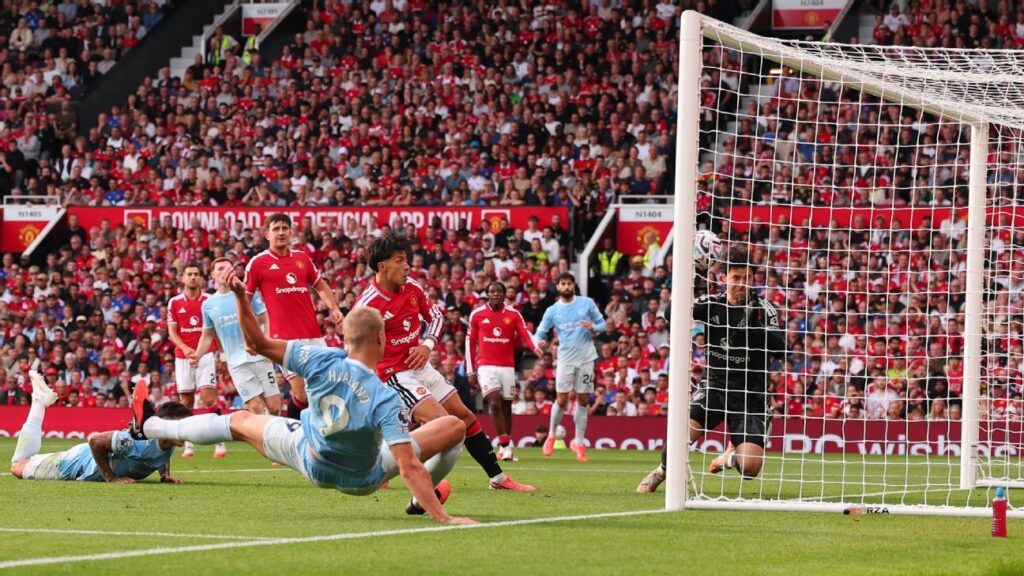
On 13 September 2026, Manchester City edged out Manchester United 1‑0 at Old Trafford thanks to a late strike from Norway’s Erling Haaland. The goal, which settled a fiercely contested Manchester derby, was initially flagged by the on‑field referee as a legitimate score after a quick VAR check.
Later that evening, Pro Ref released a statement confirming that the VAR check had been conducted incorrectly. According to the body, the assistant referee failed to activate the off‑side line at the precise moment the ball was played, meaning the technology could not verify Haaland’s position. The error, Pro Ref admitted, led to the goal being allowed despite a potential off‑side infringement.
The Premier League issued a formal apology to Manchester United, acknowledging that the decision “did not meet the standards expected of the VAR protocol.” While the result stood, the admission sparked a fresh wave of criticism from pundits who argue that such errors undermine the credibility of the league’s most advanced officiating tool.
Why it matters: Stakes for clubs, fans and the betting market
Beyond the three points that City collected, the error has financial ramifications. In the UK and across Africa, millions of pounds – and dollars – are wagered on Premier League outcomes each week. Betting firms reported a surge in complaints from African customers who felt the VAR mistake altered the payout structure for the derby, a market segment that accounts for roughly 12 % of the league’s total betting volume.
For Manchester United, the loss of three points could affect their Champions League qualification hopes, influencing revenue streams from broadcasting rights, merchandise sales, and sponsorship deals. The club’s hierarchy has already hinted at a review of its own on‑field strategies to mitigate future reliance on marginal calls that might be overturned by technology.
At a broader level, the incident fuels the ongoing debate about whether VAR actually improves fairness. Critics argue that the system adds layers of complexity that can be misapplied, while supporters claim that errors are inevitable in any human‑mediated process and that the technology still prevents far more blatant mistakes than it creates.
African angle: How the controversy ripples across the continent and diaspora
The Premier League’s viewership in Africa rivals that of any domestic competition, with Nigeria, Kenya, Ghana and South Africa ranking among the top markets for broadcast subscriptions. When a high‑profile decision is reversed or admitted as wrong, African fans often feel a double‑hit: they lose the narrative of fairness they cherish, and they see their own footballing aspirations – many of which involve African players hoping for a move to England – cast in a skeptical light.
African betting operators, such as Bet9ja and SportPesa, reported a spike in dispute tickets after the Haaland goal. Sources say the operators are reviewing their own VAR‑related clauses in customer terms, a move that could set a precedent for how African sportsbooks handle technology‑driven errors in the future.
Moreover, several African leagues, including the South African Premier Division and the Nigerian Professional Football League, are in the final stages of adopting VAR. The Premier League’s mishap is being cited in local referee training seminars as a cautionary case study, prompting calls for stricter certification standards and clearer communication protocols before the technology is rolled out on the continent.
What’s next: Possible reforms and lessons for African football
In response to the error, the Premier League has pledged to audit its VAR workflow and introduce a “double‑check” step where two independent officials must confirm an off‑side line before a goal is confirmed. The league also plans to publish real‑time VAR data for each match, a transparency measure that could appease both fans and betting regulators.
For African football authorities, the incident underscores the need to invest not only in the hardware but also in the human capital that operates it. CAF’s Referees Committee has already announced a partnership with UEFA to run joint VAR certification courses, aiming to prevent similar oversights when the technology becomes standard across African top‑flight competitions.
Finally, the controversy may reshape fan engagement. African supporters’ groups have begun organizing digital watch parties that incorporate live fact‑checking, using platforms like Twitter and WhatsApp to crowdsource analysis of contentious decisions. This grassroots approach could pressure leagues worldwide to prioritize clarity and accountability, ensuring that a mistake in Manchester does not echo unchecked across the continent.
Quick Answers
What was the VAR error in the Manchester City vs Manchester United match?
Pro Ref admitted that the VAR assistant failed to activate the off‑side line at the moment the ball was played, meaning Haaland’s goal was not properly checked for off‑side.
How does the VAR mistake affect African betting markets?
African betting firms saw a rise in dispute claims after the error, prompting some operators to reconsider how they handle technology‑related bet settlements.
Will the Premier League change its VAR procedures after this incident?
The league has promised a workflow audit, a double‑check step for off‑side decisions, and public release of VAR data for future matches.
Source: www.espn.com




💬 Comments 0