Premier League yellow card suspension rules explained: thresholds, impact on African stars and what could change in 2026
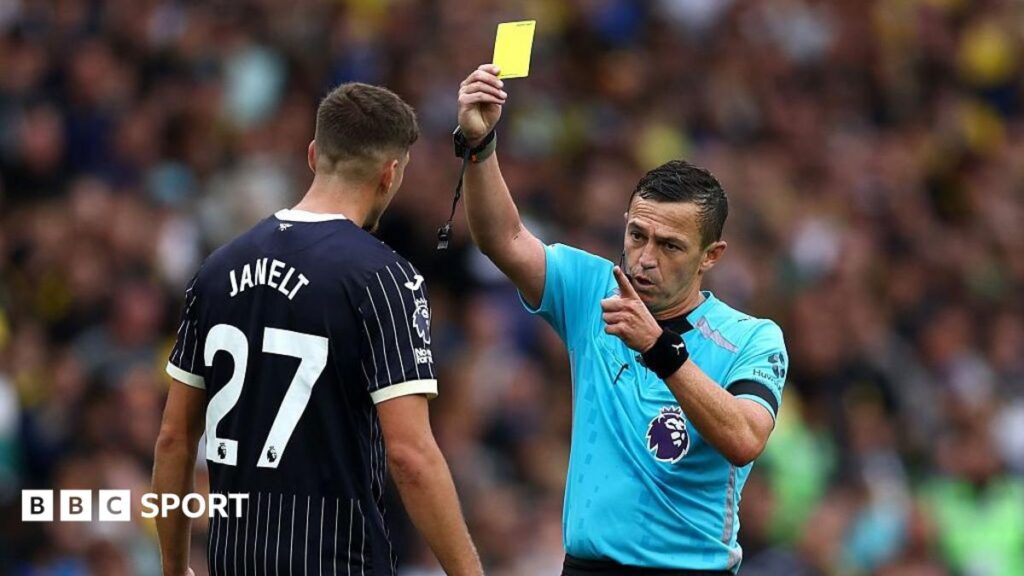
How the yellow‑card system works in the Premier League
The Premier League operates a straightforward accumulation system for cautions. A player who receives a single yellow card in a match is merely warned, but the tally carries over throughout the season. Once a player reaches five yellow cards, they are suspended for the next league fixture. The count then resets, but a further five cautions (i.e., ten in total) trigger a second suspension, and fifteen leads to a third. If a player picks up a second yellow in the same game, it automatically becomes a red card, resulting in an immediate ejection and a minimum three‑match ban, regardless of the season total.
These rules are laid out in the Premier League’s official disciplinary handbook, which has remained largely unchanged since the early 2000s. The handbook also states that suspensions are served in league matches first; if the club has no league games left, the ban carries over to cup competitions. The system is designed to deter repeat offences while allowing referees to manage games without excessive punitive measures.
Recent headlines and why the rule still matters in 2026
Although the basic thresholds have not shifted, the 2025‑26 season saw a surge in cautions, with the average bookings per match rising to 3.2 – the highest in a decade, according to Premier League statistics. Analysts attribute the increase to tighter officiating under VAR and a tactical shift where teams use “controlled fouls” to disrupt opposition attacks. This uptick means more players are flirting with the five‑card ban, putting squad rotation and injury management under greater strain.
The heightened caution rate also sparked debate among the Professional Footballers' Association (PFA), which warned that frequent suspensions could unfairly penalise clubs with smaller squads, many of which rely heavily on African talent. The PFA’s 2026 report suggested a “mid‑season reset” could alleviate the burden, but the league has so far resisted any amendment, citing the need for consistency and fairness across all clubs.
African players and the cost of yellow‑card bans
African stars have felt the sting of the accumulation rule in recent years. In the 2024‑25 campaign, Liverpool’s Mohamed Salah missed a crucial match against Manchester City after his fifth yellow card, a game that ultimately decided the title race. Similarly, Leicester City’s Wilfried Zaha sat out a key derby in 2023 after reaching ten cautions, costing his side three points that season. These absences not only affect club performance but also ripple through African fan bases, who often tune in specifically for their compatriots.
Beyond the pitch, missed games can dent endorsement deals that hinge on visibility. Brands such as Puma and Pepsi, which have contracts with African players, see reduced exposure during high‑profile fixtures. Moreover, African broadcasters in Nigeria, Kenya and South Africa report a dip in viewership when marquee African players are unavailable, impacting advertising revenue and the broader ecosystem that supports football content across the continent.
A wider trend: discipline, tactics and the African diaspora’s view of the league
The Premier League’s disciplinary landscape mirrors a global shift toward data‑driven tactics. Clubs now track players’ caution histories to decide whether to deploy them in high‑risk matches. This analytical approach is being exported to African leagues, where coaches increasingly monitor yellow‑card trends to avoid losing key talent during title pushes. The diaspora community, many of whom follow both the English and African leagues, notes the contrast: while European clubs can afford deep benches, African clubs often lack the depth to replace a suspended star, magnifying the impact of each caution.
Social media conversations among the African diaspora reveal frustration over perceived inconsistencies in officiating. Fans argue that African players are sometimes judged more harshly for the same challenges that European players escape, a sentiment echoed in podcasts such as “Afro‑Foot Global”. This perception fuels calls for greater referee training on cultural bias and for the Premier League to engage more transparently with its African audience.
What could change: proposals, technology and the road ahead
Looking forward, several proposals aim to modernise the yellow‑card system. The PFA has floated a “reset after 30 league games” model, similar to the one used in the Dutch Eredivisie, which would give players a fresh slate for the final stretch. Meanwhile, the league’s Referees’ Committee is trialling a “warning‑point” system in the U‑23 competition, where a player receives a points warning before a formal yellow is logged. If successful, the model could trickle up to the senior tier, potentially easing the burden on players who frequently commit tactical fouls.
For African stakeholders, any reform matters. A mid‑season reset would mean fewer lost appearances for players like Riyad Mahrez or Sadio Mané, preserving their marketability and keeping African fans engaged throughout the campaign. Until the league decides, clubs will continue to manage player discipline meticulously, using sports psychologists and video analysis to keep cautions below the suspension threshold. The next few weeks, especially as the league approaches its winter break, will reveal whether the pressure to adapt outweighs the tradition of the existing rule.
Quick Answers
How many yellow cards trigger a suspension in the Premier League?
A player is suspended after accumulating five yellow cards, then again after ten and fifteen, with each suspension covering one league match.
Can a yellow‑card suspension be appealed?
Yes, clubs can appeal a suspension within three days of the ruling, but appeals are only successful if the governing body finds a clear error in the booking.
Do yellow‑card bans affect cup matches?
If a player has no remaining league fixtures, the suspension carries over to domestic cup or European matches as per Premier League regulations.
Source: www.bbc.co.uk




💬 Comments 0