Prince William launches suicide‑prevention toolkit for sport 2026 – what it means for African athletes and the diaspora
Why the toolkit matters beyond the UK
The Royal Family’s new suicide‑prevention toolkit is the first resource built specifically for sporting organisations, offering check‑lists, conversation guides and referral pathways. While its launch took place in London, the mental‑health challenges it targets are universal – athletes everywhere face intense pressure, isolation and the stigma of admitting vulnerability. The toolkit’s emphasis on early detection and peer‑support mirrors a growing global consensus that mental health is as critical to performance as physical fitness.
In Africa, the sporting landscape is rapidly professionalising, with football leagues in Nigeria, Kenya and South Africa attracting multimillion‑dollar sponsorships. Yet the support structures for athletes’ mental wellbeing have lagged behind. A 2024 report by the African Union’s Sports Commission highlighted that only 12 % of national federations had formal mental‑health policies, leaving many players without guidance when warning signs appear. The new toolkit therefore arrives at a moment when African federations are looking for scalable, evidence‑based solutions.
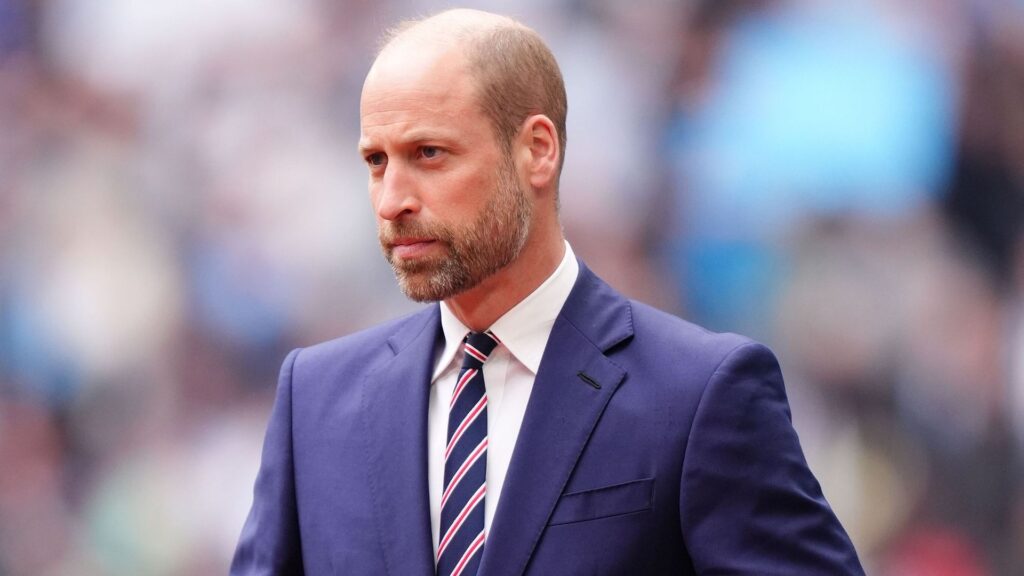
The involvement of Prince William adds political weight that can help overcome cultural barriers. In many African societies, mental illness is still viewed through a lens of shame, discouraging athletes from seeking help. A high‑profile endorsement from a globally recognised figure can legitise the conversation, encouraging clubs, coaches and sponsors to allocate resources to mental‑health programmes.
A broader trend: mental‑health initiatives in sport worldwide
The UK’s effort is part of a wave of initiatives that have emerged after several high‑profile suicides among elite athletes, such as former England cricketer Robert Key’s brother’s death in 2022 and the tragic loss of a young French cyclist in 2024. These incidents sparked a re‑evaluation of how sport organisations monitor psychological risk. The International Olympic Committee launched its own Mental Health Playbook in 2023, and the NBA introduced a league‑wide wellness programme in 2025.
African sport bodies are beginning to join this movement. South Africa’s Premier Soccer League partnered with the South African Depression and Anxiety Group in 2023 to train coaches on mental‑health first aid. In Nigeria, the National Sports Commission announced a pilot project in 2025 that integrates sports psychologists into the training staff of the under‑23 football team. These efforts, though still nascent, demonstrate a continent‑wide shift toward recognising mental health as a performance‑critical factor.
The toolkit’s modular design allows it to be adapted to different cultural contexts. It includes language‑specific resources and guidance on working with community leaders, which can be crucial in African settings where extended families and tribal elders play a role in personal decision‑making. This flexibility means the same core principles can be rolled out across clubs in Lagos, Nairobi and Accra without losing relevance.
Implications for African markets and the sports‑tech industry
The rollout of the toolkit creates commercial opportunities for African startups focused on sports psychology and digital health. Companies such as Kenya‑based MindFit and Nigeria’s PsycSport have already developed mobile apps that deliver confidential counseling to athletes. With a globally recognised framework now available, these firms can align their services with the toolkit’s standards, making it easier to secure contracts with clubs that want to demonstrate compliance with international best practice.
Investors are also taking note. Venture capital flows into African health‑tech have risen by 38 % year‑on‑year, according to a 2026 African Development Bank briefing. A clear, royalty‑free toolkit reduces the perceived risk for funders, who can now see a concrete pathway for scaling mental‑health services across multiple leagues. This could accelerate the emergence of a pan‑African mental‑wellness market valued at over $150 million by 2030.
Beyond the private sector, the toolkit may influence public‑policy budgeting. Several African ministries of sport are reviewing their annual allocations, and the presence of a UK‑backed, evidence‑based resource could tip the scales toward earmarking funds for mental‑health staff. If adopted widely, the toolkit could become a de‑facto requirement for clubs seeking government grants or FIFA licensing, reshaping how resources are distributed across the continent.
Reactions from athletes, federations and the diaspora
African athletes who have spoken publicly about mental health welcomed the initiative. Former Ghanaian international striker Asamoah Gyan told the BBC in an interview that “having a clear guide for coaches and teammates can save lives, especially for players far from home who feel isolated.” Similarly, Kenyan marathoner Vivian Cheruiyot, now a mentor for young runners, said the toolkit could help address the “silent crisis” she observed among rising stars who struggle with the pressure of international contracts.
Diaspora organisations are also gearing up to use the toolkit. The Nigerian Footballers Association in the United States announced plans to translate the resource into Yoruba and Igbo, and to run workshops for clubs in the USL Championship that feature Nigerian players. These efforts underscore how the toolkit can bridge geographic gaps, offering a common language for mental‑health support that transcends borders.
Critics caution that a toolkit alone cannot solve systemic issues such as inadequate funding, lack of qualified psychologists, and entrenched stigma. Sports journalist Oluwaseun Adebayo, writing for The Africa Report, argued that “without sustained investment and culturally attuned training, the toolkit risks becoming a paper exercise.” Nonetheless, most stakeholders agree that it provides a crucial starting point for deeper reforms.
What’s next: rollout, monitoring and long‑term impact
The launch ceremony in London included a pledge from the International Federation of Association Football (FIFA) to pilot the toolkit in ten African member associations over the next 18 months. Implementation will be monitored through quarterly reports, with key performance indicators such as the number of staff trained, referrals made, and reductions in self‑reported distress among athletes.
For the toolkit to achieve lasting change, it will need to be embedded within existing governance structures. Experts suggest that national federations should appoint a “mental‑health officer” responsible for integrating the resource into coaching curricula and player contracts. In Nigeria, the Sports Ministry has indicated it will draft legislation that makes mental‑health training mandatory for all professional clubs by 2028.
Ultimately, the success of the initiative will be measured by outcomes that go beyond headlines – fewer crisis incidents, improved player retention, and a cultural shift where talking about mental health is as routine as discussing injury prevention. If African federations can adapt the toolkit effectively, the continent could set a benchmark for holistic athlete care that other regions might emulate.
Quick Answers
What is the suicide‑prevention toolkit launched by Prince William?
It is a first‑of‑its‑kind guide for sports organisations that offers warning‑sign checklists, conversation scripts and referral pathways to help identify and support athletes at risk of suicide.
How will the toolkit affect African athletes and clubs?
The toolkit provides adaptable, culturally‑sensitive resources that African federations can use to train staff, improve mental‑health services and attract investment from health‑tech firms.
When will African football associations start using the toolkit?
FIFA has committed to a pilot programme with ten African member associations beginning in early 2027, with rollout plans to expand based on quarterly monitoring reports.
Source: www.skysports.com




💬 Comments 0