Procter & Gamble rolls out 2026 NFL ads for Always Discreet women’s incontinence pads
Background: NFL advertising and health stigma
The National Football League has become a premium venue for brands seeking massive exposure, especially during the fall season when viewership spikes. Historically, beer, car, and snack companies have dominated the airtime, using the high‑energy atmosphere to reinforce lifestyle messages. In recent years, however, advertisers have begun testing more socially conscious narratives, from mental‑health awareness to LGBTQ+ inclusion, in an effort to broaden relevance beyond the typical male‑centric fan base.
Women’s health, particularly topics like urinary incontinence, has long been excluded from mainstream sports advertising due to cultural taboos and the perception that the audience would not engage. Studies from the World Health Organization show that up to 30 % of adult women worldwide experience some form of bladder leakage, yet only a fraction discuss it openly. This silence has limited market growth for products aimed at women, especially in regions where the stigma is strongest.
Procter & Gamble (P&G), the owner of the Always Discreet line, has previously leveraged high‑profile platforms such as the Super Bowl to promote its men’s grooming brands. The decision to place a women’s incontinence product during NFL games marks a strategic pivot, signalling that the company believes the league’s massive reach can be harnessed to normalize a condition that affects millions but is rarely spoken about on public stages.
The campaign: Always Discreet’s NFL push
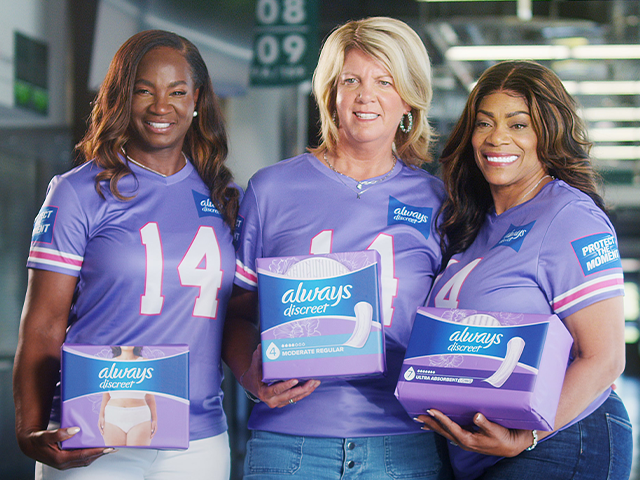
The campaign, slated to launch in September 2026, will feature a series of 30‑second spots aired during primetime Sunday games and select playoff broadcasts. Creative director Maya Patel explained that the ads will juxtapose the intensity of a football drive with everyday moments when women might need discreet protection, such as cheering in the stands or sharing a post‑game celebration. The tagline, “Play With Confidence,” is intended to link the product directly to the feeling of freedom that sports fans associate with the game.
In addition to TV spots, P&G is rolling out a digital overlay that will appear on the NFL’s official app and partner streaming services. Users can tap the overlay to watch short documentaries featuring athletes, medical experts, and everyday women discussing how incontinence impacts their lives. According to a press release, the digital component will be localized for markets in Nigeria, Kenya, South Africa and the United Kingdom, with subtitles in Yoruba, Swahili and Zulu to broaden accessibility.
The budget for the initiative is reported to be in the high‑seven‑figure range, making it one of the most heavily funded health‑awareness drives in P&G’s recent history. Industry analysts say the spend reflects confidence that the NFL’s audience is evolving; Nielsen data from 2025 indicated that women now constitute 45 % of the average game’s viewership, a share that has risen steadily over the past decade.
Why it matters: normalising women’s incontinence
By positioning an incontinence product alongside the excitement of football, P&G is challenging the long‑standing belief that bladder health is a private, “women‑only” issue. Public health experts argue that normalising the conversation can lead to earlier diagnosis, better treatment adherence, and reduced quality‑of‑life losses. A 2024 study in The Lancet noted that women who openly discuss leakage are 27 % more likely to seek medical advice, a metric that could improve with mass‑media exposure.
The campaign also taps into a broader shift in advertising ethics, where brands are expected to take a stand on social issues. Consumers, especially Millennials and Gen‑Z, increasingly reward companies that demonstrate empathy and authenticity. A recent survey by Kantar found that 62 % of African women would be more likely to purchase a product from a brand that openly addresses health taboos, suggesting that the NFL ads could translate into tangible sales growth in emerging markets.
Critics, however, caution that the partnership might be perceived as opportunistic if the messaging feels forced. Advocacy groups such as the International Women’s Health Alliance have urged P&G to pair its ads with tangible community investments, like free screening clinics in low‑income neighborhoods. P&G has responded by pledging to fund mobile health units in three African cities, a move that could mitigate backlash and reinforce the campaign’s credibility.
Implications for African markets and the diaspora
Africa represents a significant growth frontier for women’s health products, yet market penetration remains uneven due to limited awareness and cultural reticence. According to Euromonitor, the continent’s incontinence‑product market is projected to reach $1.2 billion by 2028, driven largely by urbanisation and an ageing female population. By broadcasting the message through the NFL—a league that enjoys a growing fan base in South Africa, Nigeria and Kenya—P&G can accelerate product adoption in these high‑potential regions.
The localized digital content is a strategic nod to the diaspora, many of whom consume both American sports and African media. For Nigerian‑American women living in the U.S., the ads may serve as a bridge between their cultural heritage and the need for discreet health solutions. Moreover, the inclusion of subtitles in Yoruba, Swahili and Zulu signals an intent to respect linguistic diversity, a factor that often determines whether a health message resonates in multilingual societies.
Retail partners across Africa are already preparing for the surge. Major supermarket chains like Shoprite and Game have announced expanded shelf space for Always Discreet, while local e‑commerce platforms such as Jumia are negotiating exclusive promotional bundles. If the campaign succeeds in shifting perception, it could encourage other multinational consumer‑goods firms to invest in similar health‑focused advertising, potentially reshaping the continent’s product landscape.
What comes next: potential ripple effects
The success of the NFL partnership will likely be measured by both sales lift and social‑media sentiment. P&G has set a target of a 15 % increase in quarterly sales for Always Discreet across the U.S. and a 10 % rise in African markets by the end of 2027. Real‑time analytics from the NFL’s ad platform will track viewership spikes, click‑through rates on the digital overlay, and hashtag usage, providing a data‑rich feedback loop for future health‑campaign strategies.
If the initiative proves effective, it could pave the way for other traditionally “private” health topics—such as menopause, mental health, or reproductive rights—to appear in sports advertising slots. Already, the NBA has piloted a mental‑wellness campaign with a focus on African‑American athletes, and the Premier League is exploring partnerships around prostate‑cancer awareness. The NFL’s willingness to host a women‑focused product may signal a broader industry shift toward inclusive storytelling.
For African stakeholders, the campaign offers a template for leveraging global platforms to address local health challenges. Governments and NGOs could collaborate with brands to co‑fund community outreach, turning a commercial push into a public‑health win. As the conversation around incontinence moves from the bathroom to the broadcast booth, the hope is that the stigma will finally start to crack, allowing millions of women—on the continent and beyond—to seek help without shame.
Quick Answers
When will the Always Discreet NFL ads start airing?
The campaign launches in September 2026, with spots scheduled throughout the regular season and playoffs.
Who is the target audience for the Always Discreet NFL campaign?
The ads aim at women who experience bladder leakage, especially those who watch NFL games, with additional focus on African markets and the diaspora.
How might the campaign affect African consumers?
By normalising incontinence discussions, the campaign could boost product awareness, increase sales in African retail channels, and inspire similar health‑focused advertising across the continent.
Source: variety.com




💬 Comments 0