PSG Target Luis Díaz and Estêvão in 2026 Transfer Window Amid Injury Crisis – What It Means for African Fans and Markets
Injury Crisis at PSG: The Immediate Challenge
Paris Saint‑Germain entered the 2026‑27 season with a squad brimming with talent, but a spate of injuries has quickly turned optimism into urgency. Key players such as Kylian Mbappé, Lionel Messi and Achraf Hakimi have missed significant training time, leaving the French giants scrambling for viable replacements before the Champions League group stage begins in September.
The club’s medical staff confirmed that the injuries range from a hamstring strain on Mbappé to a recurring ankle issue for Messi, both of which could keep the stars sidelined for weeks. This situation forces PSG’s hierarchy to consider both short‑term fixes and long‑term depth, prompting the latest rumors linking them to Luis Díaz and Estêvão.
Fans and analysts alike have noted that PSG’s depth chart, once praised for its blend of experience and youth, now looks thin in critical attacking positions. The pressure is not just on the pitch; sponsors and broadcasters are watching closely, as any dip in performance could affect the club’s commercial revenues across Europe and Africa.
Why Luis Díaz and Estêvão Are on the Radar
Luis Díaz, the 27‑year‑old Colombian winger who starred for Bayern Munich, offers a blend of pace, technical skill and work‑rate that mirrors the qualities PSG needs to compensate for missing Mbappé. His recent season in the Bundesliga saw him contribute 12 goals and 18 assists, a record that has attracted attention from several top clubs, including Manchester City and Real Madrid.
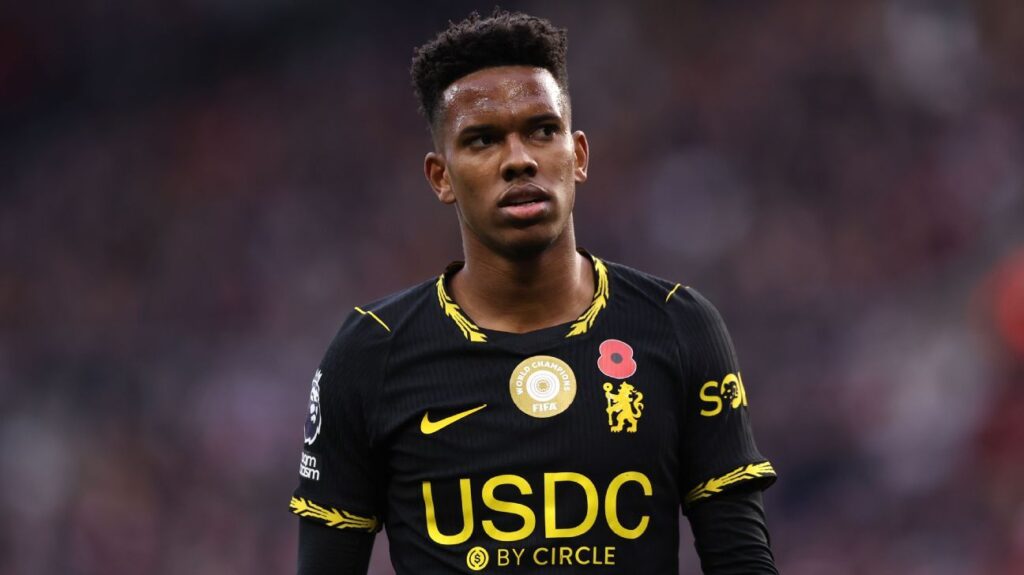
Estêvão, a 22‑year‑old Brazilian forward currently on Chelsea’s books, is less heralded but has shown flashes of brilliance in the Premier League’s under‑23 competition. His versatility—able to play across the front line—and his relatively modest transfer fee make him an attractive option for a PSG side looking to balance its wage bill while adding depth.
Sources close to PSG’s sporting director, according to Transfer Talk, indicate that the club is evaluating both players not just for immediate impact but also for resale value. The South American market remains a fertile ground for European clubs seeking high‑potential talent at a price point lower than that of established European stars.
Implications for African Football Markets and Fans
While neither Díaz nor Estêvão is African, the transfer saga has ripple effects for African football economies. PSG’s continued spending on South American talent often sidelines African prospects, prompting agents and scouts to push for greater representation of African players in the club’s recruitment pipeline.
African fans, especially those in Nigeria, Ghana and the diaspora in Europe, watch PSG’s moves closely because the club’s success directly influences broadcast rights deals that include African territories. A stronger PSG squad translates into higher viewership numbers for Ligue 1 and Champions League matches aired on African sports networks, boosting advertising revenue and creating more exposure for African players who share the screen.
Moreover, the club’s marketing arm has been expanding its footprint across Africa through merchandise collaborations and youth academy partnerships. A high‑profile signing, even if not African, can amplify the brand’s appeal, encouraging local retailers to stock PSG kits and driving grassroots interest in football development programs linked to the club.
European Transfer Trends: South America vs Africa
The current European transfer window highlights a persistent bias toward South American talent, a trend that dates back to the early 2000s when clubs like Barcelona and Real Madrid built dynasties around Argentine and Brazilian stars. Analysts at Deloitte’s Football Money League report that South American players accounted for 42 % of all transfers above €30 million in the 2025‑26 season, while African players comprised just 8 %.
This disparity is partly driven by the perception of higher commercial value attached to South American names, which often come with built‑in fan bases in both the Americas and Europe. However, the growing success of African stars such as Sadio Mané, Mohamed Salah and Riyad Mahrez is beginning to shift that narrative, encouraging clubs to scout more aggressively on the continent.
If PSG were to secure Díaz and Estêvão, it would reinforce the status quo, but the club’s recent partnership with the Nigerian Football Federation—aimed at creating a talent pipeline—suggests a strategic pivot. The partnership could see PSG invest in scouting networks across West Africa, potentially balancing the scales in future windows.
What Could the Next Window Bring for PSG and African Players?
Looking ahead, PSG’s immediate focus will be on stabilising the squad for the Champions League, but the longer‑term outlook may involve a more diversified recruitment strategy. Club president Nasser Al‑Khelaifi has hinted in recent interviews that PSG wants to “be a global club, not just a European one,” a statement that could translate into increased scouting activity in Africa.
If the club signs Díaz or Estêvão, the financial outlay could limit the budget for additional signings this summer, potentially opening a window for African talent to fill secondary roles. Agents from Ghana and Ivory Coast have already expressed interest in placing their clients on PSG’s shortlist for the January window, betting on the club’s need for depth after the winter break.
For African fans, the key takeaway is that PSG’s transfer decisions will shape the visibility of African football on the world stage. A successful campaign bolstered by new signings could lead to higher TV ratings in African markets, more sponsorship dollars flowing into the continent’s football infrastructure, and a stronger case for African players to command top‑tier fees in future deals.
Quick Answers
Why is PSG interested in Luis Díaz and Estêvão now?
PSG faces injuries to key attackers and sees Díaz’s proven Bundesliga record and Estêvão’s low‑cost versatility as immediate solutions.
How do PSG’s transfer moves affect African football fans?
Successful signings raise PSG’s global profile, boosting African broadcast rights, merchandise sales and interest in the club’s youth partnerships on the continent.
Will African players still have chances at PSG despite the South American focus?
Yes; PSG’s recent partnership with the Nigerian Football Federation signals a growing commitment to scouting African talent for future windows.
Source: www.espn.com




💬 Comments 0