Publicis Groupe, Travis Kelce and 3 Arts launch NIL venture to connect advertisers with US college athletes in 2026
The NIL explosion reshapes college sports
Since the Supreme Court’s 2021 decision and the NCAA’s subsequent rule change, college athletes in the United States have been allowed to profit from their name, image and likeness (NIL). The shift unlocked a multi‑billion‑dollar market, with schools, brands and athletes scrambling to negotiate deals that were previously prohibited.
By mid‑2024, the NIL ecosystem had already generated more than $5 billion in contracts, according to Bloomberg. The rapid growth has attracted not only traditional sports marketers but also tech platforms, venture capitalists and entertainment firms eager to tap into the youthful fan base that follows college teams across the country.
What the new venture promises
Publicis Groupe, the French advertising behemoth, has partnered with talent agency 3 Arts Entertainment and NFL star Travis Kelce to create a joint venture aimed at simplifying the matchmaking process between brands and college athletes. The venture will operate a proprietary marketplace that aggregates athlete profiles, compliance data and brand briefs in one digital hub.
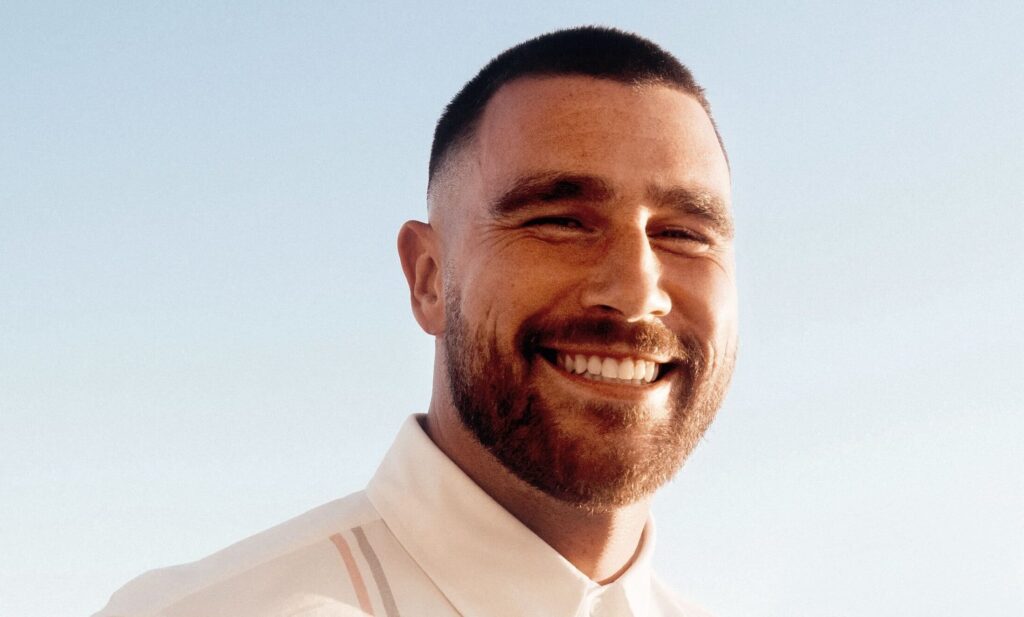
Kelce, who has become a cultural icon beyond the gridiron, will serve as the public face of the initiative and help recruit high‑profile athletes. Publicis will bring its global media buying power, while 3 Arts contributes its expertise in talent representation and content creation. The three partners say the platform will handle contract negotiation, compliance monitoring and performance analytics for advertisers.
Why advertisers are betting on the model
Brands see college athletes as a direct line to Gen Z consumers, a demographic that values authenticity and social relevance. Traditional celebrity endorsements often feel distant, whereas a student‑athlete’s story can be localized to a campus, a city or a regional rivalry, creating a more resonant narrative.
The joint venture also promises to reduce legal risk. NIL agreements must navigate NCAA regulations, state laws and university policies, a maze that has deterred many advertisers. By centralising compliance checks, the platform offers a “one‑stop shop” that could accelerate deal closure and lower transaction costs, a point highlighted by Publicis executives in a press release.
What it means for African brands and the diaspora
African companies have long looked to US sports as a springboard for global exposure, but the complexity of NIL contracts has kept many out. The new marketplace could lower entry barriers, allowing Nigerian fintech firms, South African fashion houses or Ghanaian telecoms to partner with rising college stars and gain instant credibility among American millennials.
Moreover, the venture opens a pathway for African‑born athletes studying in US universities to monetize their talent without sacrificing eligibility. According to a report by The Africa Report, the number of African students on American athletic scholarships has risen by 18 % over the past three years, and many are now high‑profile prospects for NIL deals.
Looking ahead: market consolidation and regulatory watch
Industry analysts predict that the NIL marketplace will consolidate around a few tech‑enabled platforms, similar to how streaming services dominated music rights. The Publicis‑Kelce partnership positions itself as an early mover with deep media resources, but competition from startups like Opendorse and INFLCR remains fierce.
Regulators are also keeping a close eye. Several states, including California and Texas, are drafting stricter reporting requirements for NIL earnings. If legislation tightens, platforms that already embed compliance tools—such as the new venture—may gain a competitive edge. Observers suggest the next wave of growth will hinge on how quickly these services can adapt to evolving legal frameworks.
Quick Answers
What is the purpose of the Publicis‑Kelce NIL venture?
It creates a digital marketplace that links advertisers with college athletes, handling contract negotiation, compliance and performance analytics.
How could African companies benefit from this new platform?
African brands can more easily sponsor US college athletes, gaining exposure to Gen Z audiences and leveraging the athletes' social reach for market entry.
When did NIL deals become legal for US college athletes?
The NCAA lifted its ban on name, image and likeness compensation in July 2021, after a series of state laws and a Supreme Court ruling.
Source: variety.com



💬 Comments 0