Rabiu Kwankwaso warns 2027 Nigerian vote pits oppressed citizens against oppressors, warns APC
Political backdrop ahead of Nigeria's 2027 presidential race
Nigeria’s next presidential election, slated for February 2027, is already shaping up as a high‑stakes contest between the ruling All Progressives Congress (APC) and a fragmented opposition that includes the newly formed Nigerian Democratic Congress (NDC). The APC, which has held the presidency since 2015, is expected to field President Bola Tinubu’s preferred successor, while the NDC is positioning itself as a vehicle for reform‑seeking politicians disillusioned with the status quo.
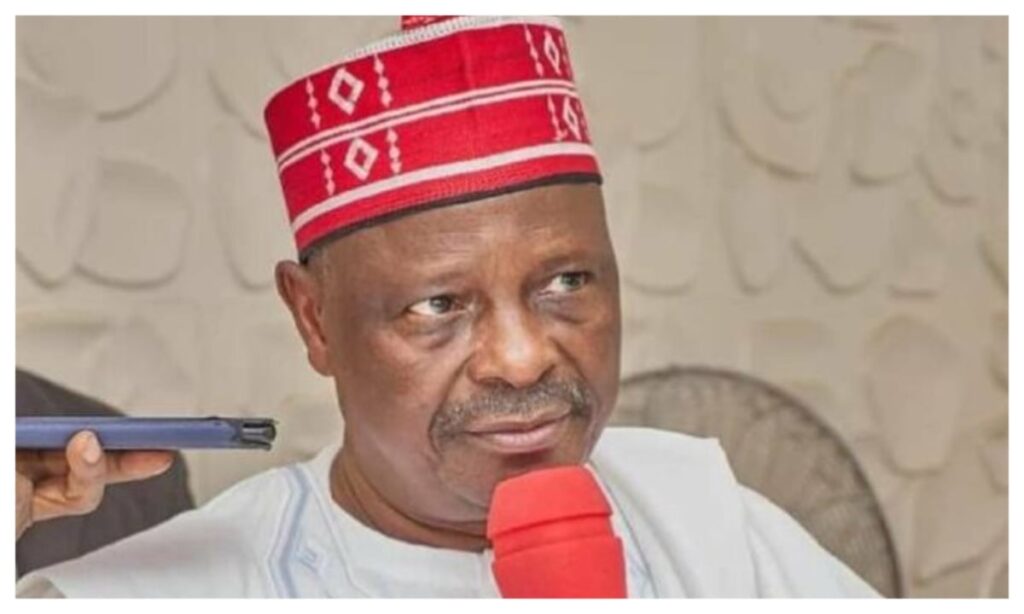
Rabiu Kwankwaso, a former two‑term governor of Kano State and a senior figure in the NDC, re‑entered national politics after a decade‑long hiatus. His political résumé includes a stint as Minister of Defence under President Goodluck Jonathan and a reputation for championing northern development projects. Kwankwaso’s return adds a seasoned voice to an opposition that has struggled to co‑ordinate around a single presidential candidate.
Kwankwaso’s stark framing of the 2027 contest
In a statement signed on August 23, 2026, Kwankwaso warned that the 2027 election would be a binary choice: "between oppressed Nigerians and those responsible for their oppression." He directed the criticism at the APC’s Presidential Campaign Council, accusing it of perpetuating policies that have widened inequality, inflamed insecurity, and ignored the grievances of the country’s 200 million citizens.
Kwankwaso’s language echoes a growing trend among opposition leaders across Africa who cast elections as moral reckonings rather than routine contests. By labeling the ruling elite as “oppressors,” he seeks to mobilise a broad coalition of disgruntled voters—especially youths, women, and the economically marginalized—who have felt left behind by successive development plans.
Why the rhetoric matters for Nigeria’s fragile democracy
The stark dichotomy Kwankwaso draws could sharpen political polarization at a time when Nigeria’s democratic institutions are already under strain. According to the International Crisis Group, voter turnout in the 2023 election fell below 35 % in several key states, a symptom of both voter apathy and fear of violence. A narrative that frames the election as a battle between oppressor and oppressed may either galvanise participation or, conversely, deter voters who fear retaliation.
Economically, the rhetoric may influence investor confidence. Nigeria’s bond yields have risen steadily since the 2022 currency devaluation, and political uncertainty can exacerbate capital flight. If Kwankwaso’s message triggers large‑scale protests, the Central Bank could face pressure to intervene, potentially reshaping monetary policy ahead of the election cycle.
A pattern of populist opposition across the continent
Kwankwaso’s approach mirrors tactics used by opposition figures in Kenya, Ghana, and Senegal, where leaders have framed elections as a struggle against entrenched elites. In Kenya’s 2022 race, for example, Raila Odinga’s “people’s agenda” positioned the incumbent as a symbol of corruption, while Ghana’s 2024 presidential hopefuls invoked historical injustices to rally the youth vote. These narratives often succeed in drawing international media attention but can also deepen ethnic or regional fault lines if not managed carefully.
The Nigerian context adds a layer of complexity because the country’s politics are heavily intertwined with ethno‑religious identities. Kwankwaso, a Hausa‑Fulani from the north, is attempting to broaden his appeal beyond his traditional base by invoking universal themes of oppression. Whether this strategy will resonate in the south, where the APC enjoys stronger support, remains an open question.
Reactions, possible alliances and what lies ahead
The APC’s campaign council has not yet issued a formal response, but insiders reported to Premium Times that party strategists are preparing a counter‑narrative that highlights security gains under Tinubu’s administration. Civil society groups, including the Transition Monitoring Group (TMG), have called for calm and urged all parties to keep the election process free from incendiary language that could spark unrest.
Diaspora organisations in the United Kingdom and the United States are watching closely. A recent survey by the Nigerian Diaspora Forum indicated that 62 % of respondents would be more likely to vote if a candidate framed the election as a fight for justice rather than a routine power transfer. This suggests that Kwankwaso’s rhetoric could mobilise overseas voters, a demographic that historically influences election outcomes through remittances and advocacy.
Looking ahead, the NDC is expected to announce its presidential ticket by the end of 2026. If Kwankwaso secures the nomination, his message could force the APC to shift its campaign tone, possibly leading to a more issue‑based debate on inflation, insecurity, and youth unemployment. However, the risk of heightened tension cannot be ignored; security agencies have already warned of potential flashpoints in Kano and Lagos ahead of the campaign launch.
Quick Answers
What did Rabiu Kwankwaso say about the 2027 Nigerian election?
Kwankwaso warned that the 2027 vote would be a choice between "oppressed Nigerians and those responsible for their oppression," targeting the APC’s campaign council.
When is Nigeria's 2027 presidential election scheduled?
The election is set for February 2027, following the constitutional five‑year electoral cycle.
How might Kwankwaso's statement affect the political climate in Nigeria?
His rhetoric could intensify polarization, mobilise disenfranchised voters, and pressure the ruling APC to adjust its campaign strategy, while also raising concerns about potential unrest.
Source: dailypost.ng



💬 Comments 0