Ramon Vega to Challenge Gianni Infantino for 2027 FIFA Presidency – African Impact
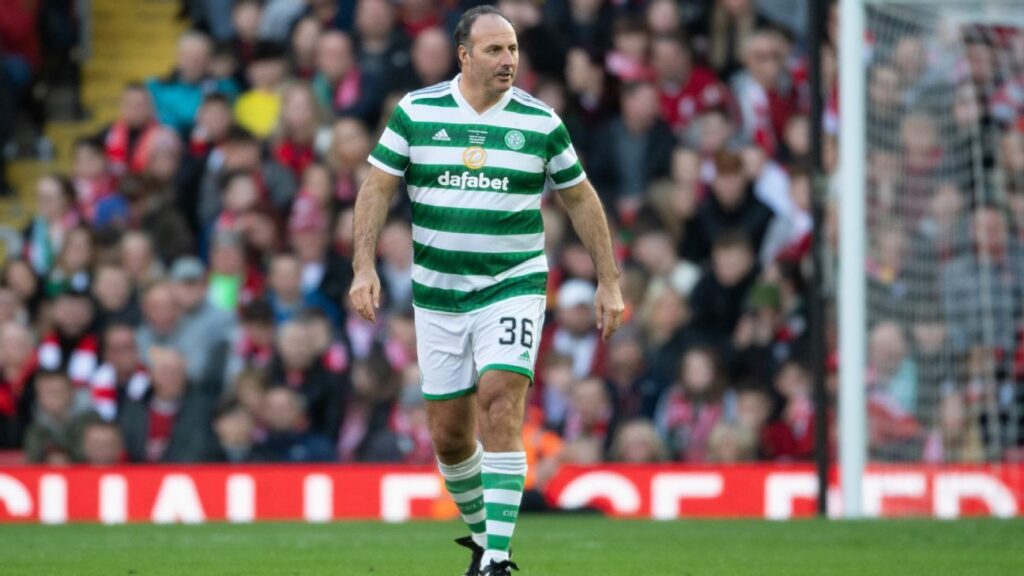
Background: Who is Ramon Vega and the FIFA election context
Ramon Vega is best known for his 12‑year spell as a centre‑back with Tottenham Hotspur and later as a key figure in UEFA’s communications department. After retiring from playing, he moved into football administration, serving on several committees of the European governing body and becoming a vocal advocate for transparency in the sport.
The FIFA presidential election is scheduled for the 2027 Congress in Bangkok, where incumbent Gianni Infantino is expected to seek a third term. Infantino’s tenure has been marked by a surge in commercial revenue, but also by criticism over governance, human‑rights concerns and the marginalisation of smaller footballing nations.
The Challenge: Vega’s bid against Infantino
In a press conference held in London on 5 October 2026, Vega announced his intention to run for FIFA president, positioning himself as a reformist alternative to Infantino. He pledged to run a “clean‑hands” campaign focused on democratic voting, financial accountability and a re‑balancing of power between continents.
Vega’s entry into the race is unusual because he has never held an elected office within a national federation. Nevertheless, his profile as a former player‑turned‑administrator mirrors a growing trend of ex‑athletes seeking top governance roles, a pattern that has already reshaped the leadership of bodies such as the International Olympic Committee.
What Vega Promises: Reform agenda and African relevance
The core of Vega’s platform is a series of governance reforms: introducing term limits for the FIFA Council, mandating independent audits of all continental confederations, and creating a dedicated fund for grassroots development in under‑served regions. He specifically highlighted the need to “give Africa a louder voice in decision‑making” and to protect the continent’s calendar from excessive club‑friendly fixtures.
Vega also promised to revisit the controversial expansion of the World Cup to 48 teams, arguing that the format should guarantee a minimum of eight slots for African nations. This stance directly addresses long‑standing complaints from CAF officials that the current allocation underrepresents the continent’s footballing talent.
African Football Landscape: Why the continent cares about FIFA leadership
Africa accounts for roughly 15 % of FIFA’s global membership but only 9 % of World Cup places, a disparity that has fueled calls for a more equitable distribution of resources. The upcoming election is therefore a litmus test for whether the global body will genuinely listen to African concerns about infrastructure funding, youth academies and referee training.
Recent controversies – such as the suspension of the Nigerian Football Federation in 2024 over government interference and the postponement of the CAF Champions League final due to security fears – have underscored the need for a FIFA president who can mediate between national governments, continental bodies and the commercial interests that dominate the sport.
The Power Play: CAF, regional blocs and voting dynamics
FIFA’s electoral system allocates one vote per member association, meaning that the 54 African federations collectively hold a decisive bloc. Historically, CAF has rallied behind a single candidate to maximise its bargaining power, as seen in the 2016 election when it supported Sepp Blatter’s re‑election.
Sources close to CAF suggest that the confederation is divided over Vega’s candidacy. While some executives appreciate his promise of a larger African quota, others remain loyal to Infantino, who has promised to increase CAF’s commercial revenue through a new broadcasting deal. The split could force CAF to negotiate a compromise ticket or to back a third candidate entirely.
What Could Change: Potential impact on African markets, competitions and development
If Vega were to win, African football markets could see a surge in sponsorship interest. International brands have repeatedly cited governance stability as a prerequisite for investing in African leagues, and a president who champions transparency might unlock new revenue streams for the South African Premier Division, the Egyptian Premier League and emerging markets such as Kenya and Ghana.
Beyond finance, Vega’s proposed reforms could reshape the competition calendar. By protecting the African international window, clubs in Europe would have fewer incentives to call up African players for friendlies that clash with domestic league fixtures. This could improve player welfare and give African clubs a better chance to retain their top talent.
Reactions: From African federations, clubs and the diaspora
The Nigerian Football Federation issued a cautious statement, noting that “the African football family welcomes any candidate who respects our sovereignty and invests in our development.” Meanwhile, the South African Football Association praised Vega’s “fresh perspective” but warned that any change must be backed by concrete financial commitments.
Among the African diaspora, football pundits on platforms such as BBC Africa and SuperSport have highlighted the symbolic importance of a former player leading FIFA. Many argue that Vega’s experience on the pitch gives him a unique empathy for the challenges faced by African footballers who often navigate complex migration pathways to Europe.
Looking Ahead: Timeline and scenarios for the 2027 election
The official candidate registration deadline is 31 January 2027, giving Vega a narrow window to secure endorsements from a majority of African federations. If he succeeds, the campaign will likely centre on a series of regional road‑shows across Lagos, Nairobi, Accra and Johannesburg, mirroring Infantino’s 2023 “World Cup for All” tour.
Analysts outline three possible outcomes: (1) Infantino retains the presidency, maintaining the status quo; (2) Vega wins, ushering in a reform‑focused era with a stronger African voice; or (3) a compromise candidate emerges, perhaps a senior CAF official, to bridge the divide. Each scenario carries distinct implications for how FIFA allocates development funds, structures future World Cups and engages with African civil society.
Quick Answers
When is the next FIFA presidential election?
The next FIFA presidential election is scheduled for the 2027 Congress, which will take place in Bangkok in early 2027.
How many World Cup slots does Africa currently have?
Africa currently receives nine qualification slots for the 2026 FIFA World Cup, a figure that many African federations consider too low.
What reforms is Ramon Vega promising if he becomes FIFA president?
Vega has pledged term limits for the FIFA Council, independent financial audits of confederations, a larger African quota in the World Cup and a dedicated grassroots development fund for under‑served regions.
Source: www.espn.com




💬 Comments 0