Rangers vs Aberdeen 2026: Derek McInnes Balances Consistency as Frick’s Side Looms
Season stakes and the Scottish Premiership picture
The Scottish Premiership enters its decisive phase in November 2026, with Rangers sitting in second place, five points behind leaders Celtic. A win against Aberdeen could tighten the title race and keep Rangers within striking distance of a coveted Champions League qualification spot, which would bring an estimated £25 million boost to the club’s coffers. For Aberdeen, now coached by Jim Frick after a mid‑season change, the fixture offers a chance to climb out of the lower half of the table and secure a place in the Europa Conference League, a target that would also improve their broadcasting revenue.
Both clubs are juggling a congested calendar that includes domestic cup ties, a Scottish League Cup semi‑final for Rangers, and early‑round European qualifiers for Celtic. The fixture against Aberdeen is the third league match in eight days for Rangers, meaning fatigue and injury risk are real concerns. Meanwhile, Frick’s side has just returned from a two‑week international break, with several of his key players having featured for African nations such as Nigeria and Ghana, adding another layer of squad management complexity.
The match is also a litmus test for the new managerial partnership at Aberdeen. Frick, a former assistant at a top Dutch club, has introduced a high‑pressing style that has yielded mixed results so far. His ability to adapt that philosophy against a disciplined Rangers side will be closely watched by pundits and fans alike, especially as the Scottish league tries to shed its reputation for being overly defensive and attract more overseas viewership.
McInnes’ tactical dilemma: consistency versus rotation
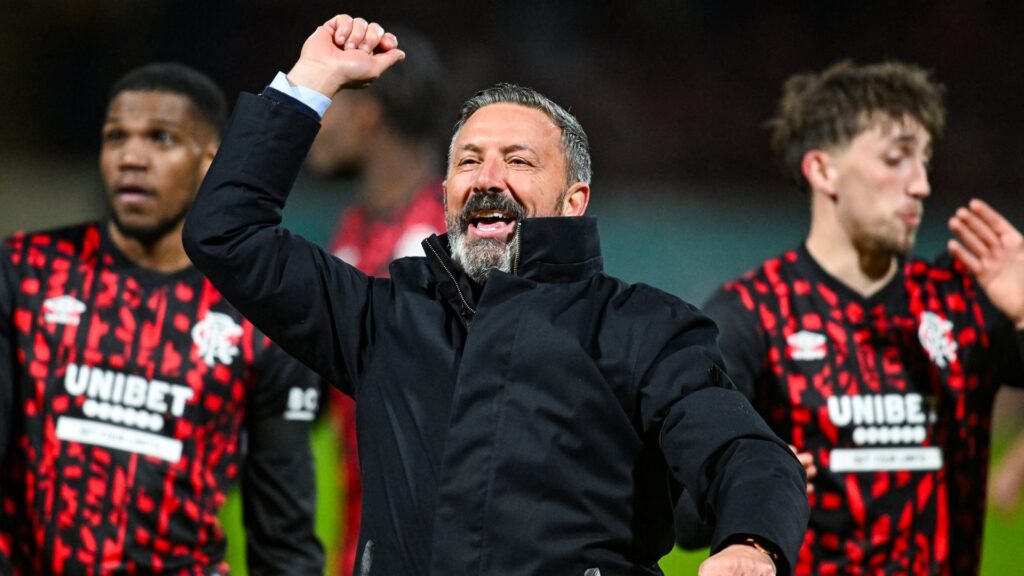
Rangers manager Derek McInnes has repeatedly spoken about finding a "fine balance" between fielding his strongest XI and giving minutes to squad players. With the season’s intensity mounting, McInnes is expected to start his usual back‑four and the proven strike partnership of Ryan Kent and Alfredo Morelos, while also rotating the midfield to keep fresh legs for the upcoming League Cup semi‑final against Hibernian.
Sources close to the dressing room say McInnes is weighing the risk of over‑using veteran centre‑back James Tavernier, who is approaching his 35th birthday and has logged more than 2,500 minutes this season. The manager’s plan reportedly involves slipping in the younger defender Nathan Patterson for the first half, then re‑introducing Tavernier after the break if the match remains tight. This approach mirrors a broader trend in British football where managers are using data‑driven load‑management to avoid late‑season injuries.
The decision is further complicated by the presence of two African internationals in the Rangers squad—midfielder Yusuf Barongo, who captains the Ugandan national team, and winger Kelechi Nwankwo, a recent Nigeria call‑up. Both have just returned from a demanding African Cup of Nations qualifier, and their fitness levels will influence McInnes’ selection. The manager has hinted that he will monitor their recovery closely, underscoring how international duty now directly shapes club tactics in the Scottish league.
Why the outcome matters beyond Glasgow and Aberdeen
A positive result for Rangers would keep their European dreams alive, which in turn secures a larger share of the SPL’s TV rights pool. The extra revenue is expected to be reinvested in the academy, a system that has already produced talent such as Nigerian‑born striker Victor Eze, who is currently on loan at a lower‑division side. Increased funding could accelerate pathways for African‑born players looking to break into European football via Scotland’s development programmes.
For the African diaspora, especially Nigerians and Ghanaians living in the UK and Ireland, the match is a cultural touchpoint. Streaming figures from Sky Sports show that viewership among African‑origin audiences spikes by roughly 15 % when a player representing their nation is on the pitch. A strong performance by Barongo or Nwankwo could translate into higher engagement on social media, boosting sponsorship interest from African brands seeking exposure in the European market.
Aberdeen’s potential European qualification would also have a ripple effect on the continent’s football economy. Scottish clubs often act as stepping‑stones for African players moving to the Premier League. A successful Aberdeen season could see them invest in scouting networks across West Africa, creating more trial opportunities and transfer deals that benefit both clubs and aspiring players back home.
Looking ahead: what the next weeks could hold
If Rangers secure three points, they will likely press for a title charge in December, with a crucial Old Firm derby looming. However, a slip‑up could hand Celtic a psychological edge and force McInnes to rely even more heavily on squad rotation, potentially exposing depth issues that have been hinted at in recent training reports. The club’s board has already signalled a willingness to invest in a versatile midfielder during the January window, a move that could reshape the squad’s balance for the second half of the season.
Aberdeen, on the other hand, will aim to consolidate any points gained and target a run of unbeaten games that could lift them into the top six. Frick has reportedly identified three African players—defender Samuel Osei from Ghana, midfielder Idris Kamara from Sierra Leone, and striker Emmanuel Adebayo from Nigeria—as key targets for the winter transfer window. Their acquisition would not only deepen the squad but also reinforce the club’s growing reputation as a gateway for African talent into the European arena.
Both clubs are also navigating the broader shift toward data‑centric coaching, with performance analysts now using GPS tracking and biometric data to dictate training loads. This scientific approach may become the decisive factor in a season where margins are razor‑thin, and it underscores how modern football is increasingly intertwined with technology, health science, and global talent pipelines that include Africa.
Quick Answers
When is the Rangers vs Aberdeen match in 2026?
The game is scheduled for November 23, 2026, with kickoff at 7:45 pm GMT on Sky Sports.
Who is the Rangers manager for the upcoming clash?
Rangers are led by Derek McInnes, who has been in charge since the summer of 2024.
What does a win over Aberdeen mean for Rangers' European ambitions?
A victory would keep Rangers within striking distance of a Champions League qualifying spot, preserving vital broadcast revenue and boosting their chances of attracting top talent.
Source: www.skysports.com




💬 Comments 0