Raphinha honors Jesús de Miguel after Barcelona’s 3-0 Champions League win over Aston Villa in 2026
Background to the night in London
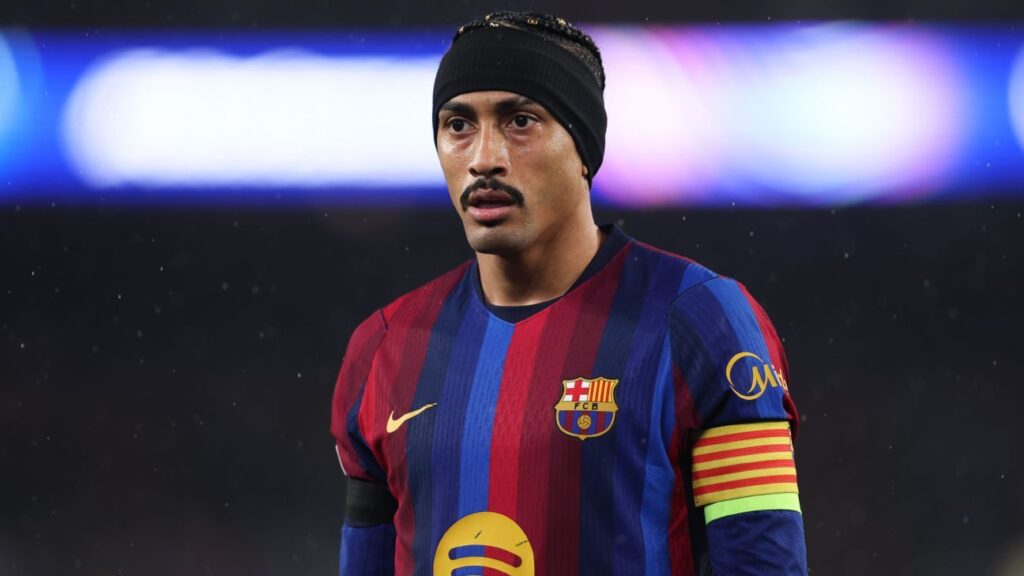
On 3 November 2026 Barcelona travelled to London for the second leg of their Champions League round‑of‑16 tie against Aston Villa. After a 2‑2 draw in the first leg, the Catalans needed a win to stay in the competition. Raphinha, the Brazilian winger who joined Barcelona in the summer, opened the scoring with a low drive from the edge of the box and completed his brace with a swift counter‑attack finish, sealing a 3‑0 victory.
The match carried an emotional undertone for many players because of the recent death of Jesús de Miguel, a 23‑year‑old midfielder from CD Tenerife who died in a tragic traffic accident on 30 October. De Miguel had been a close friend of several Barcelona and Villa players from their shared time in Spain’s youth leagues, and his passing was mourned across the Spanish football community.
Barcelona’s coach Xavi Hernández confirmed before kickoff that the squad would wear a black armband in tribute, a gesture that echoed similar memorials seen in previous European fixtures. The decision highlighted how clubs use high‑profile games to honour fallen colleagues, turning a sporting event into a moment of collective remembrance.
Raphinha’s tribute and its resonance
After the final whistle, Raphinha lifted his jersey to reveal a small patch bearing de Miguel’s initials. In the post‑match interview he said, “I was thinking about Jesús the whole game. It was hard to focus, but I wanted to win for him.” The Brazilian’s words were broadcast on the club’s official channels and quickly went viral among fans in Brazil, Spain and the wider African diaspora.
Social media lit up with tributes from former teammates, fellow Brazilian internationals, and African‑born players such as Sadio Mané and Kalidou Koulibaly, who praised Raphinha’s sincerity. The emotional honesty resonated especially with fans who see footballers as cultural ambassadors, bridging the gap between elite sport and everyday community grief.
Sports psychologists note that public expressions of mourning can help athletes process loss while also providing a rallying point for the team. According to a study cited by the International Journal of Sport and Exercise Psychology, collective rituals like these improve group cohesion and can translate into better on‑field performance.
Why the tribute matters beyond the pitch
Raphinha’s homage underscores a growing awareness of mental‑health issues in football, a topic that has gained traction after high‑profile cases such as the suicide of former Liverpool midfielder Daniel Jarvis and the depression battle of former Arsenal star Mesut Özil. By openly acknowledging his difficulty concentrating, Raphinha adds to a narrative that encourages players to speak about emotional strain, an especially relevant conversation for African‑origin athletes who often face cultural stigma around mental health.
The gesture also highlights the deep ties between European clubs and African talent pipelines. Many African‑born players, including those from Nigeria, Ghana and Cameroon, have risen through Spanish academies and now feature in top‑flight teams. Raphinha’s Brazilian heritage, rooted in Afro‑Latin culture, reflects the broader Afro‑Diaspora connection that fuels both fan bases and talent recruitment across the continent.
For African fans, the moment reinforced a sense of representation: a player of African descent publicly honoring a teammate signals that their cultural experiences are recognized on football’s biggest stages. This visibility can inspire young players in Lagos, Accra and Nairobi to see themselves reflected in the sport’s elite echelons.
A pattern of solidarity in modern football
Raphinha’s act fits within a wider trend of clubs and players using high‑visibility matches to memorialise colleagues. In 2023, Manchester City players wore black armbands for former teammate Gabriele Oriali, while in 2024 Bayern Munich held a minute of silence for a youth academy coach who passed away. These gestures have become ritualised, showing that football culture increasingly values collective empathy over pure competition.
The African continent has its own history of such solidarity. After the death of Congolese midfielder Cédric Bakambu’s brother in 2022, his club TP Mazembe organized a charity match, raising funds for a local hospital. The pattern demonstrates that mourning in sport transcends geography, creating a shared language of respect that fans across Africa and Europe understand.
Critics sometimes argue that these tributes are performative, but the sustained involvement of clubs—through donations, community outreach, and mental‑health programmes—suggests a deeper institutional shift. For diaspora communities, especially those in Europe and North America, these actions reaffirm a bond with their homelands and their sporting heroes.
What lies ahead for Barcelona and the wider football world
Barcelona now faces a quarter‑final clash with Paris Saint‑Germain. The emotional high from the Villa win could boost morale, but the team must also guard against complacency. Coach Xavi has hinted that the club will dedicate the next match to de Miguel’s family, potentially organising a charitable donation to a road‑safety initiative in Tenerife—a region that has seen several traffic‑related fatalities in recent years.
Beyond the immediate fixture, the incident may influence how clubs handle player welfare. Several Premier League and La Liga teams have reportedly begun drafting protocols for grief counselling after the de Miguel tragedy, according to sources close to the clubs. If adopted widely, these measures could set a new standard for mental‑health support in African‑origin player groups, who often travel far from family networks.
For African football markets, the story offers a reminder that European clubs are increasingly aware of the social responsibilities they carry toward the communities that supply their talent. Sponsors targeting African audiences are likely to amplify such narratives, leveraging the emotional resonance to deepen brand loyalty among diaspora fans.
Quick Answers
Who was Jesús de Miguel and why was he honored by Raphinha?
Jesús de Miguel was a 23‑year‑old midfielder for CD Tenerife who died in a traffic accident in October 2026; Raphinha paid tribute after scoring a brace because the two had become close friends.
How did Raphinha’s tribute affect Barcelona’s Champions League campaign?
The emotional tribute boosted team unity and morale, helping Barcelona secure a 3‑0 win over Aston Villa and keeping them in the competition.
What impact does this incident have on African football fans?
Seeing an Afro‑Brazilian star publicly mourn a teammate validates African‑diaspora experiences, encourages mental‑health dialogue, and strengthens the connection between African fans and European clubs.
Source: www.espn.com



💬 Comments 0