Real Madrid demand LaLiga chief Javier Tebas resign after Nazi propaganda comment 2026
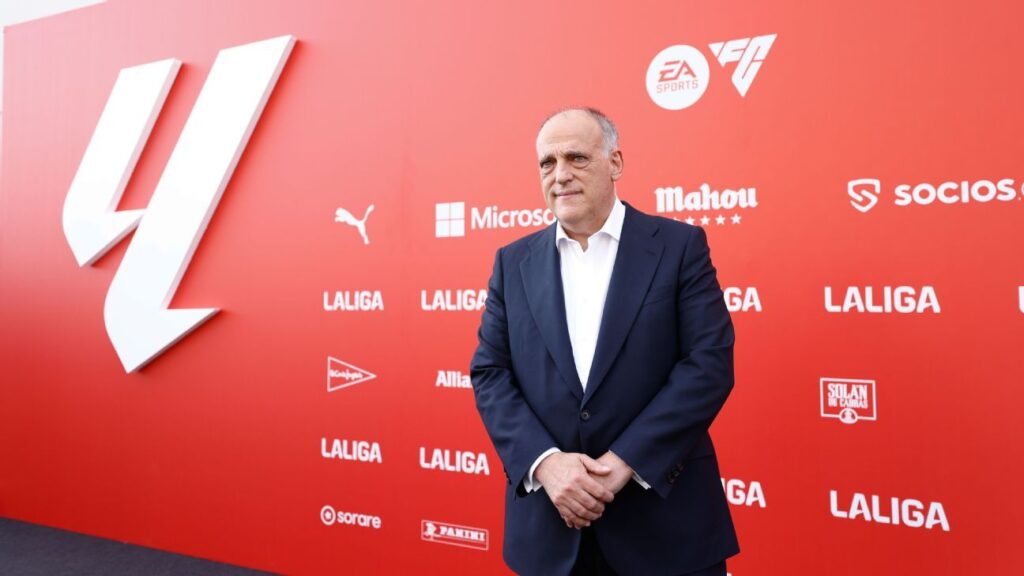
Background: Tebas, refereeing disputes and a controversial comparison
Javier Tebas, the long‑standing president of Spain’s top‑flight league LaLiga, has built a reputation for defending the league’s integrity and often clashing with the country’s biggest clubs over officiating standards. Over the past season, Real Madrid has repeatedly accused referees of bias, filing formal complaints and publicly demanding higher transparency. The tension peaked after a series of contentious decisions in key matches that left the club short of crucial points.
In a televised interview last week, Tebas responded to the growing criticism by saying that Real Madrid’s campaign to “discredit referees” resembled the propaganda techniques used by the German Nazi regime in the 1930s. He argued that the club’s media strategy sought to manipulate public opinion in the same way totalitarian states once did, a comparison that instantly sparked outrage across the football world.
The comment was not made in isolation. Tebas has previously warned clubs against “politicising” the sport, and his choice of language reflects a broader pattern of using stark historical analogies to underscore perceived abuses of power. While he framed the remark as a warning against damaging the league’s credibility, many saw it as an unnecessary escalation that crossed a line of decency.
The Fallout: Real Madrid’s demand for resignation and wider reactions
Real Madrid’s board issued an immediate statement calling for Tebas to step down, describing the Nazi reference as “deeply offensive, historically inaccurate and damaging to the sport’s reputation.” The club’s president, Florentino Pérez, added that the league’s chief must be “held accountable for language that trivialises one of humanity’s darkest chapters.”
Other LaLiga clubs have voiced mixed reactions. While Atlético Madrid and Sevilla expressed concern over the tone of the debate, they stopped short of demanding Tebas’ resignation, preferring a “constructive dialogue” to resolve the refereeing controversy. Barcelona’s director of football, on the other hand, warned that such rhetoric could erode trust among fans and sponsors alike, urging the league to issue an apology.
Fans took to social media in droves. In Spain, hashtags like #TebasResign and #RespectHistory trended, while diaspora communities across Europe and Latin America echoed the sentiment. International media outlets, from the BBC to Al Jazeera, highlighted the incident as a flashpoint in the ongoing power struggle between clubs and league administrators.
Why it matters beyond Spain: Implications for LaLiga’s African market
LaLiga has invested heavily in Africa over the past five years, signing broadcast deals with South African, Nigerian and Kenyan networks, and launching youth academies in Ghana and Kenya. Real Madrid alone commands a massive following on the continent, with millions of fans streaming matches on mobile platforms and buying club merchandise.
The controversy threatens to tarnish the league’s brand at a time when it is courting African sponsors for the 2026‑2029 commercial cycle. Companies such as MTN and Safaricom have pledged multi‑year partnerships that hinge on a positive perception of LaLiga’s governance. A perception that the league tolerates inflammatory language could make these partners wary, potentially delaying or renegotiating lucrative contracts.
Moreover, the incident could affect betting markets that are heavily regulated in African jurisdictions. Betting operators often rely on the credibility of league officials to assure fair play. If the league appears to be embroiled in a political dispute, regulators may impose stricter oversight, which could reduce the volume of wagers placed on LaLiga matches across the continent.
A broader pattern: Historical analogies and power politics in modern football
Tebas’ Nazi comparison is not an isolated case. In recent years, football executives across Europe have invoked World War II and other historical tragedies to underscore grievances, from English Premier League owners likening “referee bias” to “Cold War espionage” to Italian club presidents referencing “fascist regimes” when criticizing league rulings. These analogies often serve to dramatise disputes but risk trivialising real historical suffering.
The trend reflects a deeper shift: clubs are increasingly wielding their global brand power to challenge league authorities. Real Madrid, with its €1.2 billion annual revenue, can pressure LaLiga in ways smaller clubs cannot. This mirrors similar dynamics in African football, where dominant clubs like Al Ahly in Egypt or TP Mazembe in the DRC have used their financial clout to influence national federation decisions, sometimes leading to governance crises.
Experts warn that such confrontations could erode the delicate balance that keeps leagues functional. When clubs resort to hyperbolic rhetoric, it can polarise fans, alienate sponsors, and invite regulatory scrutiny. In Africa, where football governance already grapples with corruption allegations, the Spanish episode serves as a cautionary tale for federations seeking to manage powerful club interests without compromising integrity.
What could happen next: Scenarios for Tebas, LaLiga and African stakeholders
The immediate question is whether Tebas will resign. Historically, LaLiga presidents have survived intense criticism; Tebas himself survived a 2020 motion of no confidence after a series of financial reforms. However, the added layer of a Nazi reference may force the league’s board to act faster, especially if sponsor pressure mounts.
If Tebas steps down, LaLiga could appoint an interim chief with a mandate to rebuild relationships with clubs and restore confidence among African partners. A transparent review of referee performance protocols might be introduced, coupled with a public apology to address the historical insensitivity of the comment.
Conversely, if Tebas remains, Real Madrid may intensify its legal challenge, potentially taking the dispute to Spain’s sports arbitration tribunal. The protracted battle could spill over into the upcoming season, affecting match scheduling, broadcast rights negotiations, and, crucially, the rollout of LaLiga’s Africa‑focused initiatives slated for 2027. African fans and commercial partners would likely watch the saga closely, as any disruption could delay the league’s expansion plans on the continent.
Quick Answers
What historical analogy did Javier Tebas use to describe Real Madrid's actions?
He compared the club's campaign to discredit referees with the propaganda techniques of the German Nazi regime.
Which club has formally demanded Tebas' resignation?
Real Madrid, led by president Florentino Pérez, issued a public demand for his resignation.
How might this controversy affect LaLiga's expansion in Africa?
It could damage the league’s brand perception, jeopardising broadcast deals and sponsorships with African partners.
Source: www.espn.com




💬 Comments 0