Roberto De Zerbi bans phones at Tottenham’s Marbella camp 2026 – why it matters
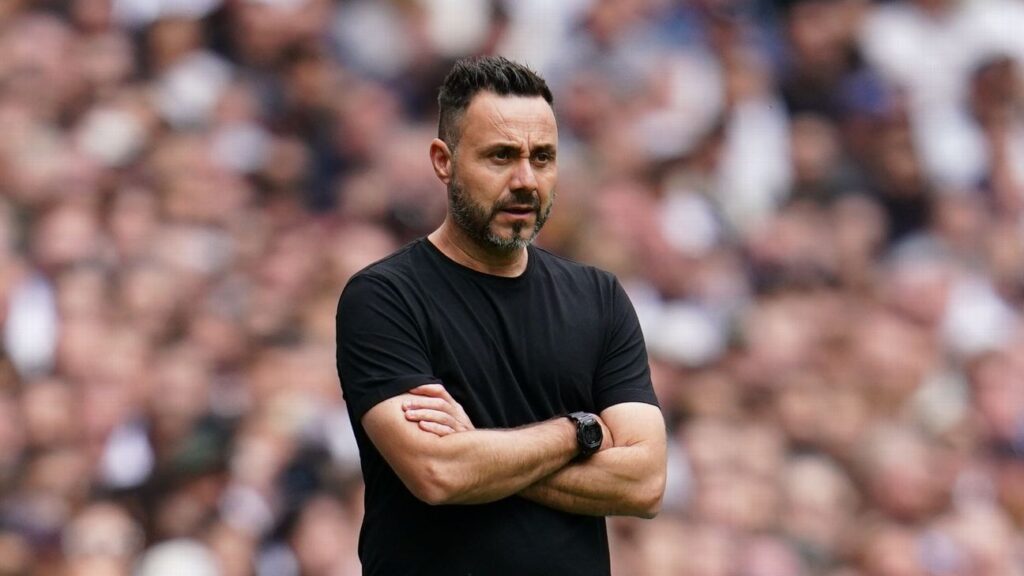
Background: Tottenham’s summer reset in Marbella
In early August 2026 Tottenham Hotspur set up a week‑long training camp in Marbella, a coastal town that has hosted Premier League squads for decades. The club arrived with a roster that had swelled after a busy transfer window, featuring a mix of seasoned internationals and a handful of newcomers from Africa, South America and Europe. The heat‑soaked sessions were meant to sharpen fitness, but the real challenge for manager Roberto De Zerbi was forging a cohesive unit from a disparate group.
The Spanish venue offered more than just sun and pitches; it provided a secluded environment away from London’s media frenzy. Historically, clubs have used such camps to build camaraderie, but the modern game’s constant connectivity can undermine those goals. De Zerbi, known for his meticulous tactical approach, decided to intervene in a way that surprised both players and journalists alike.
The phone‑free rule: what De Zerbi imposed
During the first dinner, De Zerbi announced that no mobile phones were to be used at the table or in the locker rooms for the remainder of the camp. He explained that the rule was intended to eliminate distractions, encourage face‑to‑face conversation, and let players focus on the tactical briefings he was delivering each day. Staff were asked to collect devices and store them in a locked box, a practice that some squad members initially greeted with skepticism.
Sources close to the camp said the manager also linked the policy to mental‑health benefits, noting that constant social‑media pressure can exacerbate anxiety for high‑profile athletes. By creating a ‘digital detox’ zone, De Zerbi hoped to give his players space to decompress, discuss on‑field issues openly, and rebuild trust after a season marked by injuries and inconsistent performances.
Why the ban matters for player welfare and team chemistry
Football has entered an era where players are expected to be on‑call 24/7, fielding fan messages, sponsor requests and media queries even during training. Studies from the UK’s Professional Footballers’ Association suggest that such relentless connectivity can increase stress levels and hinder recovery. De Zerbi’s decision aligns with a growing body of research that advocates for scheduled tech‑free periods to improve focus, sleep quality and overall mental health.
From a tactical standpoint, the rule forces the squad to rely on verbal communication and body language, sharpening the very skills a manager needs for a high‑pressing system. Early reports from the camp indicate that players began sharing personal anecdotes and football philosophies more freely, a dynamic that could translate into better on‑field understanding. If the experiment succeeds, other Premier League coaches may adopt similar policies, reshaping how elite teams manage off‑pitch environments.
African players, diaspora fans and the wider relevance
Tottenham’s roster for the 2026‑27 season includes a few African‑born talents, most notably forward Emmanuel Adebayo, who joined from the Nigerian league, and midfielder Kelechi Onyeka, a recent acquisition from the Belgian side Anderlecht. For these players, the phone ban offers a rare chance to integrate without the constant scrutiny of Nigerian and diaspora fans scrolling through Twitter feeds. It also mirrors initiatives in African clubs such as Al Ahly and Mamelodi Sundowns, which have experimented with limited device use during pre‑season to foster unity.
Diaspora supporters, especially those in the UK and the United States, often rely on social media for real‑time updates from abroad. The ban may temporarily reduce the flow of behind‑the‑scenes content, but it also underscores a broader conversation about how African fans consume football. As more clubs adopt digital‑detox policies, African media outlets could pivot to deeper analysis and storytelling rather than instant highlights, offering richer narratives that resonate with fans seeking context beyond the scoreline.
What’s next: potential ripple effects across Europe and Africa
If Tottenham’s Marbella stint yields measurable improvements—fewer injuries, tighter defensive coordination, or a noticeable lift in morale—other managers are likely to take note. Already, Serie A side Napoli’s coach has hinted at a similar "no‑phone" clause for his upcoming winter camp, according to reports from La Gazzetta dello Sport. In Africa, the Confederation of African Football (CAF) is reportedly reviewing whether its Club Champions League pre‑season meetings should incorporate brief tech‑free periods to enhance team bonding.
The ultimate test will be the first competitive matches of the season. Should Tottenham translate the Marbella chemistry into points on the Premier League table, the phone‑free experiment could become a case study in sports psychology curricula across the continent. Conversely, if the policy backfires—causing player unrest or media backlash—it may serve as a cautionary tale about imposing strict digital limits on a generation accustomed to constant connectivity. Either outcome will add a new chapter to the evolving dialogue on technology, mental health and performance in modern football.
Quick Answers
Why did Roberto De Zerbi ban phones at Tottenham’s Marbella camp?
He wanted to remove digital distractions, improve mental‑health recovery, and force players to communicate directly, thereby strengthening team cohesion.
Which African players were at the Tottenham camp affected by the phone ban?
Forward Emmanuel Adebayo from Nigeria and midfielder Kelechi Onyeka, who joined from Belgium, were among the African‑born squad members present.
Could other clubs adopt similar phone‑free policies?
Yes, early reports suggest clubs like Napoli are considering it, and CAF may explore limited‑device periods for African club camps as well.
Source: www.espn.com




💬 Comments 0