Rudy Giuliani Defends Gianni Infantino, Calls Critics ‘Jealous’ – Impact on African Football Ahead of 2026 World Cup
Background: Giuliani’s political pivot and Infantino’s standing
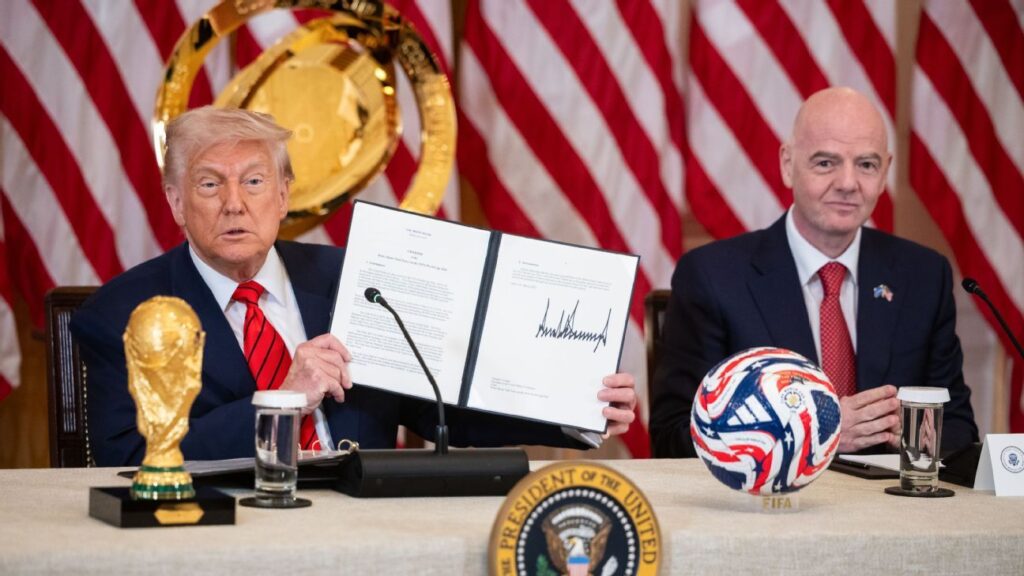
Former New York mayor Rudy Giuliani, once a staple of Republican politics, has resurfaced in the global sports arena by publicly supporting FIFA president Gianni Infantino. The endorsement comes at a time when Infantino faces mounting criticism over the governance of the 2026 World Cup, alleged conflicts of interest, and his handling of human‑rights concerns in previous host nations. Giuliani’s shift from domestic politics to a vocal stance on football governance reflects a broader trend of American political figures seeking relevance on the international stage.
Infantino, who has steered FIFA through a series of commercial successes—including record‑breaking broadcast deals—has also been accused of centralising power and sidelining dissenting voices within the organization. Critics ranging from former officials to journalists argue that his reforms have not translated into greater transparency. Giuliani’s comment that these opponents are “jealous” adds a personal tone to an already heated debate.
The public exchange: what Giuliani said and why it matters
During a televised interview on a US news channel, Giuliani praised Infantino’s “vision for a truly global game” and dismissed detractors as “envious of the progress we’ve made”. He further suggested that the critics were motivated by a desire to protect legacy power structures rather than genuine concern for the sport. The remarks were quickly amplified on social media, with the hashtag #GiulianiInfantino trending for several hours.
While Giuliani’s statements were framed as a defense of sport’s commercial growth, they also hinted at a political calculus: aligning with a leader who is championing North‑American hosting rights could position Giuliani as a bridge between US political circles and the lucrative world of football sponsorships. This alignment is noteworthy because it underscores how personal brand building can intersect with the governance of a sport that touches billions worldwide.
Implications for African football governance
Africa’s football federations have long felt marginalized in FIFA’s decision‑making processes. The Confederation of African Football (CAF) has repeatedly called for greater representation on the FIFA Council and for transparent bidding procedures for future tournaments. Giuliani’s endorsement of Infantino, coupled with the latter’s focus on expanding the sport’s footprint in North America, raises concerns that African voices could be further sidelined as commercial interests dominate the agenda.
Moreover, Infantino’s recent push for a “global calendar” that aligns club competitions worldwide could disproportionately affect African leagues, which already struggle with scheduling conflicts and limited broadcast revenue. If the calendar favours European and North‑American markets, African clubs may lose the limited windows they have to showcase talent on the global stage, potentially stalling the continent’s football development.
The US‑Africa football business landscape
The United States is rapidly becoming a hub for football investment, with Major League Soccer (MLS) clubs courting African talent and US‑based sponsors eyeing the continent’s growing fan base. Giuliani’s public support for Infantino could accelerate partnerships that prioritize American commercial models, such as franchise ownership and media‑centric branding, over the community‑driven structures that dominate many African clubs.
Recent data from the African Football Market Report (2025) shows a 27 % increase in foreign direct investment into African clubs over the past three years, driven largely by European and Middle‑Eastern investors. If US investors follow suit, the influx of capital could bring improved infrastructure but also risk imposing a profit‑first mindset that may clash with local development goals.
Reactions from African stakeholders and the diaspora
CAF President Patrice Motsepe responded cautiously, noting that “constructive dialogue is essential, but we will not accept rhetoric that undermines the legitimacy of African football”. Prominent African journalists, such as Ghana’s Kofi Mensah of Joy Sports, called Giuliani’s remarks “tone‑deaf” and warned that they could distract from pressing issues like grassroots funding and anti‑corruption reforms within African federations.
The African diaspora in the United States, a growing consumer of football content, expressed mixed feelings on social platforms. While some celebrated the heightened visibility of the sport, others worried that the focus on US‑centric narratives would eclipse stories of African players and coaches who are making strides in lower‑tier leagues worldwide.
What’s next: the 2026 World Cup and beyond
The 2026 World Cup, co‑hosted by the United States, Canada, and Mexico, will be the first tournament with 48 teams, opening additional slots for African nations. However, the allocation of these slots remains a political negotiation within FIFA. Giuliani’s backing of Infantino could influence how those slots are distributed, especially if the US seeks to showcase its own market strength by promoting a larger contingent of North‑American teams.
Looking ahead, analysts predict that the intersection of US political endorsement and FIFA’s commercial agenda will shape the next wave of football governance reforms. For African football, the challenge will be to leverage the expanded tournament format to secure more representation while safeguarding the continent’s developmental priorities. The coming months will test whether African federations can turn the spotlight from criticism into concrete policy wins.
Quick Answers
Why did Rudy Giuliani defend Gianni Infantino?
Giuliani framed his defense as support for Infantino’s global growth strategy, suggesting critics are motivated by jealousy rather than substantive concerns.
How could Giuliani’s comments affect African football?
The endorsement may reinforce perceptions that FIFA’s agenda favours North‑American commercial interests, potentially marginalising African voices in future governance decisions.
Will the 2026 World Cup give Africa more slots?
The expanded 48‑team format adds slots, but the exact number allocated to Africa will be decided through FIFA negotiations, where political influence could play a role.
Source: www.espn.com




💬 Comments 0