Ryan Giggs reveals Manchester United scouted Kylian Mbappé at Monaco but passed – implications for United, the transfer market and African football in 2026
Background: Giggs’ claim and United’s scouting history
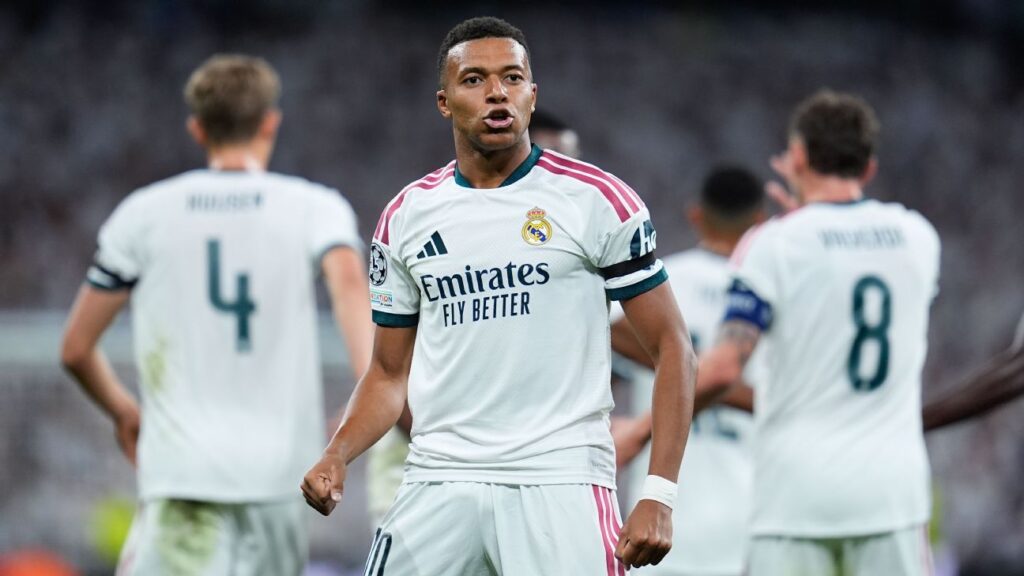
During a recent interview, former Manchester United captain Ryan Giggs said the club had a scouting report on a teenage Kylian Mbappé while he was still playing for Monaco. Giggs recalled that United’s recruitment team watched the French forward closely, but ultimately decided not to make an offer when the player was 18. The revelation adds another chapter to United’s long‑standing reputation for both bold signings and costly missed opportunities.
United’s scouting network has traditionally been praised for spotting talent early – examples include Cristiano Ronaldo, Paul Pogba and Marcus Rashford. Yet the club has also been criticised for letting promising prospects slip away, a pattern that resurfaced after the 2022‑23 season when United failed to secure several high‑profile youngsters. Giggs’ admission about Mbappé fits neatly into that ongoing debate about the club’s recruitment strategy under successive managers.
The missed deal: What United could have gained
Had United acted on the scouting report and signed Mbappé before his 2017 breakout at Paris Saint‑Germain, the club would have secured a player who later became a two‑time World Cup winner and one of the world’s most marketable athletes. Financially, Mbappé’s current market value exceeds €200 million, and his commercial appeal generates millions in sponsorship revenue each season. Missing out on such a player means United forfeited not only on‑field impact but also a lucrative branding opportunity.
From a sporting perspective, Mbappé’s blend of speed, finishing and tactical intelligence could have complemented United’s attacking line‑up during the post‑Alex Ferguson era. Analysts suggest that his presence might have lessened United’s reliance on high‑cost signings that later underperformed, such as Romelu Lukaku or Paul Pogba’s second stint. While any counterfactual remains speculative, the consensus among former United insiders is that Mbappé would have offered a rare combination of youth, consistency and global appeal.
Why it matters for United and global football
The story highlights a broader shift in how elite clubs approach talent acquisition. In the past decade, clubs have moved from buying established stars to securing teenage prodigies on long‑term contracts, a trend accelerated by the financial constraints imposed by UEFA’s Financial Fair Play rules. United’s decision to pass on Mbappé illustrates the risk of hesitancy in a market where rivals like Real Madrid and PSG are willing to invest heavily in youth.
United’s recent struggles to finish in the top four of the Premier League have intensified scrutiny of its transfer policy. Fans and shareholders now demand a clearer vision that blends experienced leaders with home‑grown or early‑career stars. The Mbappé anecdote fuels the narrative that United’s leadership missed a chance to rebuild around a player who could have been the cornerstone of a new era, potentially altering the club’s competitive trajectory.
African perspective: Talent pipelines, market dynamics and fan culture
While Mbappé is French, his meteoric rise has reverberated across the African continent, where many young players view him as a blueprint for breaking into Europe. The fact that a club of United’s stature overlooked him underscores the fierce competition African scouts face when trying to secure early contracts for home‑grown talent. Nigerian, Ghanaian and Senegalese academies have increasingly partnered with European clubs to guarantee pathways for their prospects before they become global superstars.
The missed Mbappé signing also affects African markets indirectly. United’s commercial footprint in Africa – through merchandise sales, broadcasting rights and fan events – would have expanded dramatically with a player of Mbappé’s stature, who enjoys massive following across the continent. Moreover, the transfer fee that United eventually paid for other marquee players, such as Jadon Sancho or Antony, could have been redirected toward scouting and developing African talent, potentially altering the continent’s representation in top‑tier football.
Diaspora communities in the UK and the United States, many of whom trace roots to West Africa, have long been vocal supporters of United. The club’s inability to capture a player of Mbappé’s caliber fuels a sense of disappointment that extends beyond pure sport; it touches on cultural pride and the desire to see African‑linked clubs compete at the highest level.
What’s next: United’s recruitment roadmap and African opportunities
In response to the growing criticism, United’s current sporting director has promised a “data‑driven, youth‑first” approach for the next transfer windows. The club is reportedly investing in AI‑enabled scouting platforms that can flag talent at age 15, a move that could prevent future oversights like the Mbappé case. If United can secure a player who matches Mbappé’s potential, the club could regain its status among Europe’s elite while also opening doors for African prospects who often get overlooked in the early scouting stages.
African clubs and agencies are watching United’s strategy closely. The rise of partnerships such as the one between the Ghana Football Academy and Chelsea suggests a growing appetite for early‑stage African talent in Europe. Should United adopt a similar model, it could provide a new pipeline for African players, giving them exposure to the Premier League’s global platform and creating commercial synergies that benefit both sides.
Finally, fans are demanding accountability. Supporter groups have started petitions urging United’s board to publish a transparent scouting report on missed targets, including Mbappé. The outcome of this pressure could shape how the club communicates its recruitment philosophy, potentially setting a precedent for greater openness that benefits young African players seeking a clear route to Europe.
Quick Answers
Did Manchester United ever make an official offer for Kylian Mbappé?
No, according to Ryan Giggs, United scouted Mbappé at Monaco but decided not to submit a transfer bid.
How could signing Mbappé have changed United’s performance?
Mbappé’s goal‑scoring ability and marketability might have bolstered United’s attack and revenue, potentially improving league finishes and reducing reliance on expensive, underperforming signings.
What impact does United’s missed signing have on African football?
The episode highlights the competitive nature of early scouting, prompting African academies to forge stronger ties with European clubs to secure pathways for their talent before big clubs commit.
Source: www.espn.com



💬 Comments 0