Ryan Gravenberch red card vs Manchester City: Carragher calls decision shocking after Liverpool 3-0 loss
The incident and immediate fallout
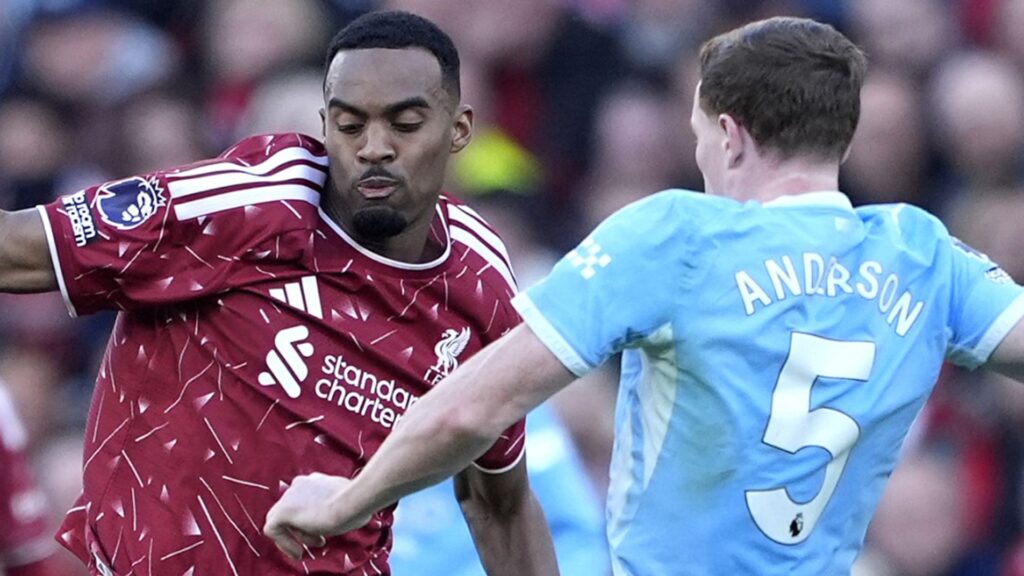
In the 61st minute of Liverpool’s home game against Manchester City, Ryan Gravenberch was shown a straight red card for what the referee described as a ‘serious foul play’ on Phil Foden. The decision came just as Liverpool were already three goals down, turning a heavy defeat into a numerical disadvantage.
Sky Sports analyst Jamie Carragher, who watched the match live, labeled the dismissal “shocking” and argued that the contact was minimal – “barely a foul, if anything.” His criticism quickly spread across social media, with fans and pundits debating whether the referee, Chris Kavanagh, had over‑reacted.
Liverpool manager Jürgen Klopp, in his post‑match interview, said the red card was “unfortunate” and that his side would have to adapt quickly. He also hinted that the club would file an appeal with the Premier League’s disciplinary committee, a move that is not uncommon after high‑profile dismissals.
Refereeing standards and the VAR debate
The Gravenberch episode arrives at a time when the Premier League’s use of VAR (Video Assistant Referee) is under intense scrutiny. Critics argue that the technology often creates a false sense of certainty, while supporters claim it reduces clear‑cut errors. In this case, the on‑field referee made the decision without a VAR check, which some observers see as a missed opportunity to review the incident.
According to a recent report from The Guardian, the Premier League has logged a 12% rise in red cards issued after VAR reviews in the last two seasons. That statistic fuels the argument that referees may be leaning on the possibility of a VAR safety net, leading to harsher immediate calls.
The Professional Game Match Officials Limited (PGMOL) has announced a review of the incident, stating that any disciplinary action will consider both the referee’s report and the available video footage. The outcome could set a precedent for how borderline challenges are treated in future high‑stakes matches.
What the red card means for Gravenberch’s career and Liverpool
For a 23‑year‑old midfielder still establishing himself in the Premier League, a three‑match suspension could stall Gravenberch’s momentum. He joined Liverpool last summer for a reported £45 million and has been praised for his ball‑carrying ability and tactical versatility.
Liverpool’s squad depth means the team can cover his absence, but the loss of a creative outlet in midfield may force Klopp to adjust his pressing scheme. The manager has already hinted at experimenting with a more compact midfield shape in upcoming fixtures against Brighton and Wolves.
From a market perspective, a suspension can affect a player’s valuation, especially if it coincides with a transfer window. Agents and clubs monitor disciplinary records closely, and a high‑profile red card could raise questions about a player’s temperament among potential suitors.
The African and Surinamese diaspora perspective
Gravenberch’s heritage traces back to Suriname, a former Dutch colony with a large Afro‑Surinamese population. While Suriname is geographically in South America, its cultural ties to the African diaspora are strong, and many Surinamese families in the Netherlands identify with African heritage.
The incident resonated on social platforms frequented by the Dutch‑Caribbean community, where users expressed disappointment not only at the decision but also at the limited representation of officials of African descent in top‑flight English football. A recent study by the International Federation of Football History & Statistics (IFFHS) showed that only 4% of Premier League referees have African or Afro‑Caribbean backgrounds.
For African‑born fans living in the UK and across the diaspora, the episode sparked broader conversations about fairness, visibility, and the need for more diverse voices in officiating. Some commentators suggested that the controversy could become a catalyst for the Premier League to accelerate its inclusion programmes for referees from under‑represented backgrounds.
Looking ahead: possible reforms and the wider impact on the Premier League
If Liverpool’s appeal is successful, it could reinforce calls for clearer guidelines on what constitutes ‘serious foul play.’ The Premier League has already hinted at a review of its disciplinary framework, aiming to reduce the number of contentious red cards that affect title races.
Beyond the immediate disciplinary outcome, the Gravenberch case may influence future referee training. The PGMOL has announced a pilot programme that will incorporate more scenario‑based simulations, with a particular focus on challenges involving young, mobile midfielders – a profile that fits Gravenberch’s playing style.
Finally, the incident underscores how a single decision can ripple through multiple layers of the football ecosystem: from a player’s development path and a club’s tactical plans to broader discussions about representation and fairness. How the Premier League responds could shape public confidence in the league’s governance for years to come.
Quick Answers
Why was Ryan Gravenberch shown a red card against Manchester City?
The referee deemed Gravenberch’s challenge on Phil Foden to be serious foul play, issuing a straight red card in the 61st minute.
What does the suspension mean for Liverpool’s next matches?
Gravenberch will miss the next three Premier League games, forcing Klopp to adjust his midfield setup and rely on other players for creativity.
Could the red card affect Gravenberch’s role with the Dutch national team?
A suspension may limit his playing time ahead of upcoming Euro 2028 qualifiers, potentially influencing the Netherlands coach’s selection decisions.
Source: www.skysports.com



💬 Comments 0