Ryan Reynolds and Rob McElhenney buy The Turf pub in Wrexham to safeguard club future – 2026 deal details
Background: Wrexham AFC’s rise and the role of The Turf
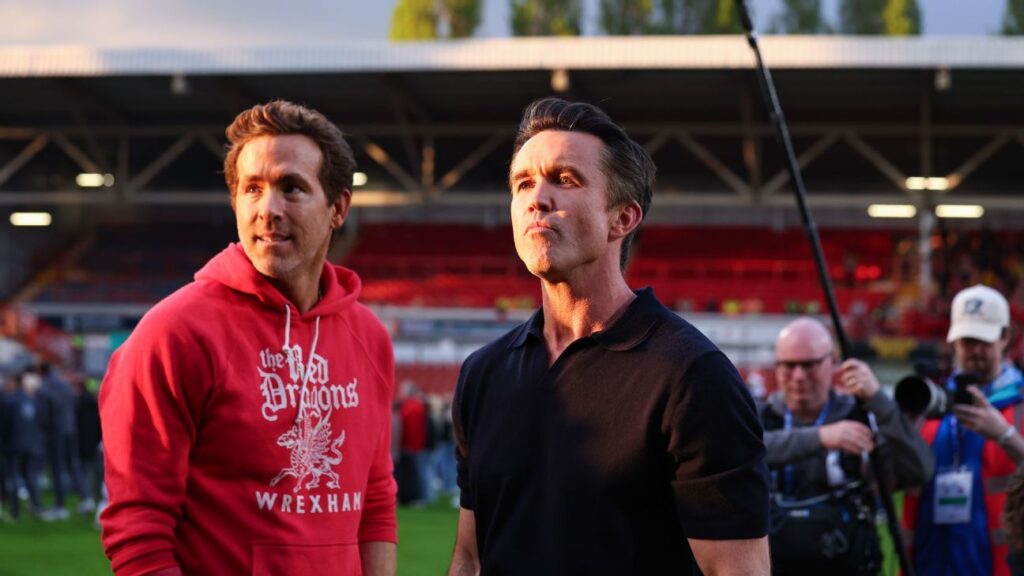
Wrexham AFC, a historic Welsh side founded in 1864, leapt into global headlines when Hollywood actors Ryan Reynolds and Rob McElhenney completed a takeover in 2020. Their high‑profile ownership, amplified by a documentary series on Disney+, turned the modest National League club into a brand recognised far beyond the UK. Yet the club’s fortunes have always been intertwined with the local community, especially the small but beloved Turf pub that sits opposite the Racecourse Ground.
The Turf, built in the late 19th century, has long served as a gathering place for supporters before and after matches. Its walls are covered in match‑day memorabilia, and generations of fans have celebrated victories, mourned defeats, and held informal meetings about club matters within its cosy confines. For many locals, the pub is as much a part of Wrexham’s football identity as the stadium itself.
The Deal: How Reynolds and McElhenney secured the pub
In early September 2026 the two owners announced that they had purchased The Turf through a newly formed community‑investment vehicle, Wrexham Heritage Holdings Ltd. The transaction, reportedly worth around £1.2 million, was funded partly by profits from the club’s recent merchandising boom and a modest contribution from a consortium of Welsh small‑business owners who wanted to keep the venue under local control.
Both Reynolds and McElhenney said the purchase was driven by a desire to “protect the future of the club” and to preserve a space where fans can meet without commercial pressure. In a joint Instagram post they pledged to keep the pub’s traditional feel while upgrading its facilities – adding a small museum wing, free Wi‑Fi, and a community kitchen that will serve local suppliers.
The deal also includes a clause that any future redevelopment of the surrounding area must retain the pub’s footprint, a safeguard that was negotiated after several planning applications threatened to replace the building with a chain restaurant.
Why it matters for Wrexham AFC and the local community
Owning The Turf gives the club direct control over a key revenue stream that previously relied on a third‑party landlord. By channeling profits from food, drink, and match‑day events straight back into club operations, Wrexham can invest more in player recruitment, youth academies, and stadium upgrades without over‑relying on external sponsorships.
The purchase also signals a long‑term commitment to the community, countering a growing criticism that celebrity owners treat lower‑league clubs as marketing toys. Local councilors praised the move as “a vote of confidence in Wrexham’s heritage,” noting that the pub will now serve as a venue for community workshops, charity drives, and even diaspora gatherings for Welsh‑Africans living abroad.
Fans have responded with a mixture of excitement and cautious optimism. Supporter groups such as the Red Dragons Trust have welcomed the added security but warned that any commercial expansion must respect the pub’s historic character, a sentiment echoed in a recent fan‑led petition that gathered over 2,000 signatures.
A wider pattern: Celebrities buying lower‑league clubs and its ripple effects
Reynolds and McElhenney’s Wrexham experiment is part of a broader trend where high‑profile personalities invest in grassroots football. In the past five years, former NBA star Steph Curry took a stake in a fourth‑tier English side, while Indian film star Ranveer Singh bought a club in the Kenyan Premier League. These deals often bring a surge in global media attention, new sponsorship deals, and a flood of merchandise sales that dwarf traditional gate receipts.
The upside is clear: clubs gain unprecedented exposure, which can attract foreign investment and improve scouting networks. However, critics argue that the model can also create volatility if the celebrity’s interest wanes or if the brand overshadows the club’s authentic culture. The Wrexham case is being watched closely because the owners have already committed to a community‑first approach, a template that could influence how future celebrity‑backed clubs operate.
For African football fans, the trend is especially relevant. Many diaspora supporters follow lower‑league clubs that have become cultural touchstones, using them as a way to stay connected to their heritage. When a club like Wrexham expands its brand globally, it opens pathways for African creators—musicians, designers, and vloggers—to collaborate on co‑branded content, thereby enriching the cultural exchange between the UK and African diaspora communities.
Implications for African markets and the diaspora
Wrexham’s new ownership has already hinted at a “global fan hub” strategy that includes partnerships with African streaming platforms and merch drops featuring Afro‑inspired designs. In a recent interview with BBC Africa, Reynolds mentioned that the club’s growing fan base in Nigeria and Ghana presents “an opportunity to celebrate the beautiful game together, beyond borders.”
The acquisition of The Turf could become a physical anchor for African diaspora events in Wales. The club’s community kitchen plans to source spices and ingredients from African suppliers, while the museum wing will feature a rotating exhibit on African football legends who have played in the UK, thereby acknowledging the historical contributions of African players to British football.
From a business perspective, the move may encourage other African investors to look at lower‑league clubs as entry points into European football. The potential for joint ventures—such as co‑hosting youth tournaments or launching talent‑exchange programmes—could create new pathways for African talent to be scouted, while also delivering commercial returns for local African businesses that partner with the club.
What’s next: Plans for The Turf and the future of Wrexham AFC
Renovation work on The Turf is slated to begin in early 2027, with a soft opening expected for the start of the 2027‑28 season. The owners have promised a “heritage bar” that will retain original furnishings, alongside a modern lounge where fans can watch live matches via high‑definition screens. A small stage will host local musicians, including Afro‑beat artists from the diaspora, creating a multicultural match‑day experience.
Beyond the pub, Reynolds and McElhenney have outlined a five‑year roadmap for the club that includes a sustainable promotion to League Two, expanded youth academies with scouting links to West Africa, and a digital platform that streams behind‑the‑scenes content tailored for African fans. If successful, the model could redefine how lower‑league clubs monetize global interest without compromising local identity.
For supporters, the key takeaway is that the purchase of The Turf is more than a real‑estate transaction—it is a statement that the club’s future is being built on community roots, cultural inclusivity, and a vision that embraces both Welsh pride and the growing African fan base that now follows the club online.
Quick Answers
Why did Ryan Reynolds and Rob McElhenney buy The Turf pub in Wrexham?
They bought it to protect the club’s heritage, secure a new revenue stream, and keep a historic community space under local control.
How will the pub purchase affect African fans of Wrexham AFC?
The owners plan to incorporate Afro‑inspired merchandise, host diaspora events, and create scouting links with West Africa, strengthening ties with African supporters.
When will The Turf pub reopen after renovations?
Renovations are set to start in early 2027, with a soft opening aimed for the beginning of the 2027‑28 season.
Source: www.espn.com




💬 Comments 0