Savannah DeMelo signs new Racing Louisville deal to 2027 amid cardiac lawsuit fallout
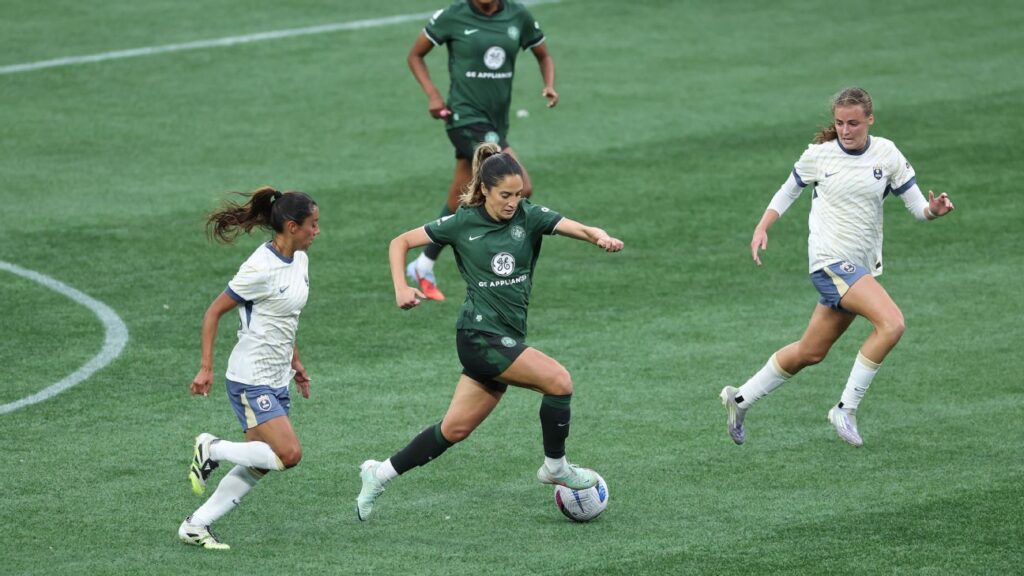
Background: DeMelo’s rise and the cardiac scare
Savannah DeMelo entered the National Women’s Soccer League (NWSL) as a high‑profile college star from the University of California, Berkeley, and quickly became a key creative midfielder for Racing Louisville FC. Her vision, passing range and knack for scoring made her one of the league’s most promising American talents, earning a call‑up to the U.S. Women’s National Team in early 2024.
In March 2023, during a routine training session, DeMelo suffered a sudden cardiac event that forced the club’s medical team to intervene with a defibrillator. She was hospitalized, underwent a thorough cardiac evaluation and was cleared to return only after a lengthy recovery protocol. The incident sparked a broader discussion about health screening in women’s football, a topic that had previously received limited attention in the United States.
The new contract: Security through 2027 with an option for 2028
Racing Louisville announced on Monday that DeMelo has agreed to a multi‑year extension that runs through the 2027 season, with a club‑option for 2028. While the exact financial terms remain private, insiders say the deal includes performance bonuses tied to league appearances, goals and assists, as well as a clause guaranteeing a minimum salary that meets the NWSL’s recent collective‑bargaining agreement floor.
The contract also contains language that strengthens the club’s obligations around medical monitoring. Sources close to the negotiation reported that the agreement mandates quarterly cardiac screenings and a dedicated sports‑medicine liaison to oversee any health concerns, a step up from the league‑wide standards that were in place when DeMelo’s incident occurred.
Legal battle: The lawsuit that reshaped player‑health rights
Following the cardiac event, DeMelo filed a lawsuit against Racing Louisville and the NWSL, alleging that inadequate pre‑season cardiac testing contributed to the severity of her episode. The case, settled out of court earlier this summer, resulted in a confidential monetary award to DeMelo and a binding agreement that the club must upgrade its health‑screening procedures.
Legal analysts note that the settlement sets a precedent for future disputes over player safety in women’s sport. According to sports‑law firm Smith & Lee, the case “signals that clubs can no longer treat health protocols as a peripheral concern; they are now a contractual pillar that can be litigated.” This shift could influence how clubs across the globe, including those in Africa’s growing women’s leagues, structure their medical compliance.
Why it matters for African players and the diaspora
The NWSL has become a coveted destination for top African talent, with players such as Nigeria’s Asisat Oshoala and Ghana’s Priscilla Okyere already making an impact. DeMelo’s contract, which explicitly ties health safeguards to salary guarantees, offers a template that African athletes and their agents can demand when negotiating overseas moves.
For the African diaspora that follows both U.S. and African women’s football, the story underscores a growing professionalisation of the sport. Fans in Lagos, Nairobi and Accra are watching the NWSL’s handling of health disputes, using it as a benchmark for what they expect from their own leagues. The heightened scrutiny may push African federations to adopt stricter cardiac screening protocols, something that could reduce the incidence of sudden health scares that have plagued the continent’s men’s game for decades.
What’s next: Shaping the future of contracts and health policy
DeMelo is slated to make her first competitive appearance for Racing Louisville next Saturday, marking a symbolic return that could influence contract negotiations league‑wide. If her performance meets expectations, the club will likely activate the performance‑based bonuses, reinforcing the financial viability of health‑centric clauses.
Beyond the NWSL, the case may accelerate the adoption of similar health‑first contracts in Europe’s Women’s Super League and the emerging professional women’s leagues in South Africa and Kenya. Stakeholders are already discussing a continental health standard that would align with FIFA’s recommendations, and DeMelo’s settlement could serve as a reference point in those negotiations.
Quick Answers
When does Savannah DeMelo’s new contract with Racing Louisville end?
The deal runs through the 2027 season, with a club option to extend it to 2028.
What was the outcome of DeMelo’s lawsuit over her cardiac event?
The lawsuit was settled out of court, providing a confidential monetary award and a binding agreement for improved medical screening.
How could DeMelo’s contract affect African players looking to join the NWSL?
It sets a precedent for including health‑safety clauses and salary guarantees, giving African players leverage to demand similar protections in their own contracts.
Source: www.espn.com




💬 Comments 0