Sharon D. Clarke’s Cancer Treatment Delays RSC’s 2027 Othello – Impact on Black Representation
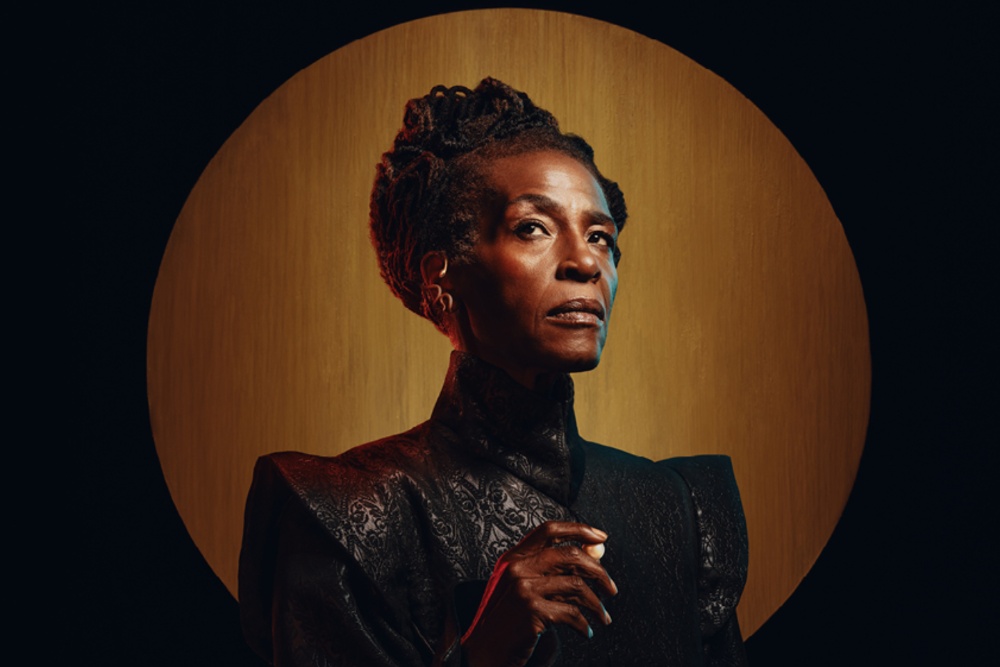
Background – RSC’s diversity drive and Clarke’s stature
The Royal Shakespeare Company has spent the past few years positioning itself as a leader in diversifying the classical canon, commissioning productions that foreground Black voices and reinterpret iconic texts. This strategy intensified after the 2020 Black Lives Matter protests, when the RSC announced a £5 million investment to nurture talent from under‑represented backgrounds and to stage works that challenge traditional casting norms.
Sharon D. Clarke, a two‑time Olivier Award winner and a veteran of British musical theatre, embodies the success of that agenda. Born to Jamaican parents in London, she rose to fame through roles in "Misty" and "The Colour Purple" before breaking into Shakespeare with a gender‑bending turn as Lady Macbeth. Her casting as Othello would have marked the first time a Black woman leads the tragic Moor in a major UK house, a milestone that resonated far beyond the West End.
The production – a gender‑bent, culturally resonant Othello
Director Touko Kauppinen’s version of "Othello" reimagines the 17th‑century tragedy as a contemporary story of migration, betrayal, and media manipulation. By placing a Black woman in the title role, the staging intends to interrogate historic power dynamics while speaking directly to audiences of the African diaspora who see their own experiences reflected onstage.
The design team also planned to incorporate visual motifs from Lagos, Nairobi and Kingston, linking the Venetian setting to modern African port cities. Critics who previewed the rehearsal notes expected the production to draw record‑breaking ticket sales from both Shakespeare purists and fans of progressive theatre, potentially shifting the commercial calculus for future diverse casting decisions.
Health, support and the hidden cost for Black performers
Clarke’s sudden need for cancer treatment has shone a light on a systemic issue: many performers, especially those from minority backgrounds, lack comprehensive health insurance and paid sick leave. According to a 2024 Actors’ Equity survey, 42 % of Black actors reported skipping medical appointments because of financial pressure, a figure that is higher than the overall average of 28 %. The RSC’s decision to postpone rather than replace Clarke is praised as compassionate, yet it also underscores the precariousness of artists’ wellbeing.
In Nigeria and South Africa, theatre companies operate with even thinner safety nets. A recent report by the African Arts Council highlighted that only 12 % of professional theatre workers in the continent have employer‑provided health benefits. Clarke’s situation may therefore spark conversations among diaspora unions about extending cross‑border health provisions, especially as more African‑origin artists join UK stages.
What’s next – scheduling, audience expectations and the broader ripple effect
The RSC announced that the production will be rescheduled for the 2028 season, pending Clarke’s recovery. While the delay disappoints ticket‑holders who had already booked, the company is offering full refunds and priority re‑booking, a move that aligns with its public‑relations pledge to treat artists and audiences fairly.
Beyond the immediate calendar shift, the postponement could influence funding bodies that are tracking diversity metrics. If the re‑staged Othello attracts the projected audiences, it may unlock further grants for gender‑fluid and Afro‑centric reinterpretations of classic works. Conversely, a tepid reception could make investors more cautious, potentially slowing the momentum of inclusive programming across the UK and, by extension, the African diaspora theatre circuit.
Quick Answers
When was the RSC's Othello originally scheduled to run?
The production was set for February 13 to April 3, 2027 at the Swan Theatre in Stratford‑upon‑Avon.
Who was cast as Othello in the postponed production?
Sharon D. Clarke, a British actress of Jamaican heritage, was to play the title role.
How does the postponement affect Black representation in UK theatre?
It delays a high‑profile example of gender‑bent, Black‑lead casting, highlighting both progress made and the need for stronger health and support systems for Black artists.
Source: variety.com




💬 Comments 0