Sister Sister Initiative Debuts at Sarajevo Film Festival 2026, Led by Teona Mitevska & Céline Sciamma
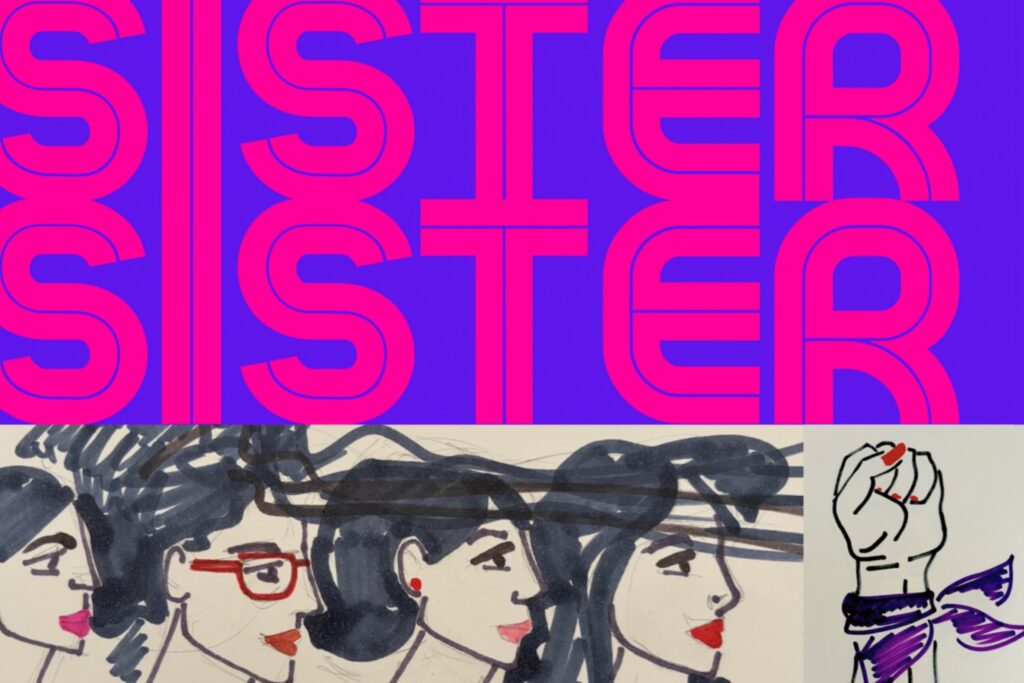
A long‑standing gender gap in global cinema
Even after decades of advocacy, women remain dramatically under‑represented behind the camera. Recent reports from UNESCO and the European Audiovisual Observatory show that women direct less than 20 % of feature films worldwide, and the disparity is even sharper in technical roles such as cinematography and sound design.
The Balkans have mirrored this trend, with the Sarajevo Film Festival (SFF) historically showcasing a male‑dominated slate. Yet the festival has also become a testing ground for progressive programmes, from its early support for post‑war narratives to recent gender‑parity pledges for its competition sections.
Against this backdrop, the launch of a new women‑focused platform at SFF is more than a symbolic gesture. It signals a coordinated attempt to rewrite the power dynamics that have kept female creators on the margins of both European and global markets.
What is the Sister Sister initiative?
Sister Sister is a collaborative venture announced during the opening night of SFF 2026. Co‑founders Macedonian director Teona Mitevska – whose film “Mother” earned a Cannes Critics’ Week award – and French auteur Céline Sciamma, best known for “Portrait of a Lady on Fire,” described the project as “bold, punk and revolutionary.”
The programme will run a series of workshops, mentorship pairings, and a micro‑grant pool aimed at emerging women filmmakers from the Balkans, the Middle East, and beyond. A rotating “Sister Hub” will travel to partner festivals, starting with the Durban International Film Festival later this year, to facilitate cross‑regional networking.
Funding comes from a mix of European cultural bodies, private sponsors, and a newly created “Women in Film” endowment that promises €1 million in cash and in‑kind support over the next three years.
Why the initiative matters beyond the festival circuit
Industry analysts argue that the real impact of Sister Sister will be its potential to alter financing pipelines. By bundling mentorship with direct access to European co‑production markets, the programme could help women secure the kind of multi‑territory deals that have traditionally been reserved for male‑led productions.
The “punk” ethos cited by Mitevska and Sciamma also challenges the conventional, risk‑averse funding model. Their public statements suggest a willingness to back experimental storytelling, genre‑bending scripts, and non‑linear narratives that mainstream investors often deem too risky for commercial release.
If successful, the initiative could become a template for other festivals seeking to embed gender equity into their core business models, rather than treating it as an after‑thought side program.
African relevance: opening doors for women creators on the continent
African cinema is experiencing a renaissance, with Nollywood now accounting for roughly 20 % of global film output and South Africa’s indie scene gaining festival traction. However, female directors still face funding gaps and limited exposure on European platforms, according to a 2025 study by the African Film Academy.
Sister Sister’s planned “Sister Hub” stop in Durban is a concrete link to the continent. Organisers have already confirmed that three African women filmmakers – Nigeria’s Ifeoma Nkiruka, Kenya’s Wanjiku Mwangi, and Ghana’s Ama Mensah – will receive mentorship from European veterans during the Durban edition.
Beyond mentorship, the initiative could facilitate co‑production treaties between Balkan states and African film commissions. Such agreements would allow African women to tap into European tax incentives and distribution networks, a pathway that has been largely inaccessible until now.
Early reactions from the film community
The announcement sparked a wave of supportive comments on social media. On Twitter, the hashtag #SisterSister2026 trended in Sarajevo and Lagos, with Nigerian actress Genevieve Nnaji praising the project as “a lifeline for our storytellers.”
European film bodies, including Eurimages, have publicly endorsed the programme, noting that it aligns with their 2024 gender‑balance charter. Meanwhile, critics from Variety and Screen Daily described the launch as “the most ambitious gender‑focused effort the festival has ever undertaken.”
Some skeptics, however, warned that without transparent metrics, the initiative could become another token gesture. A coalition of Balkan women’s film collectives called for quarterly impact reports to ensure that promised grants reach the intended recipients.
What comes next: scaling the vision
Sister Sister will roll out its first grant cycle in September, with applications open to any woman filmmaker who has completed at least a short‑form project. The selection panel will include Mitevska, Sciamma, and representatives from African film institutes, ensuring a truly trans‑continental perspective.
Long‑term, the founders envision a permanent “Sister Network” – an online hub that archives mentorship sessions, provides a marketplace for crew services, and hosts a virtual pitch forum for projects seeking European or African co‑production partners.
For African creators, the next step is to monitor the Durban hub, apply for the grants, and leverage the network to break into European festivals that have historically been gatekeepers. As the initiative gains momentum, its success could reshape not only gender dynamics but also the geographic flow of cinematic talent between Europe and Africa.
Quick Answers
What is the Sister Sister initiative launched at the Sarajevo Film Festival?
Sister Sister is a women‑focused programme co‑led by Teona Mitevska and Céline Sciamma that offers workshops, mentorship and €1 million in grants to emerging female filmmakers.
How can African women filmmakers benefit from Sister Sister?
The initiative includes a Durban hub, mentorship for African creators, and potential co‑production links that give African women access to European funding and distribution channels.
When will the first grant applications for Sister Sister be accepted?
Applications open in September 2026, with the first round of grants announced later that year.
Source: variety.com




💬 Comments 0