South Africa aviation regulator investigates low jet flypast before SA vs NZ Test in Cape Town, 2026
Background: Aviation stunts and South African sport
Air shows and low‑altitude flyovers have long been used to add drama to major sporting events, from football finals in Europe to cricket matches in the sub‑continent. In South Africa, the practice gained popularity after the 2022 FIFA World Cup when sponsors deployed drones and helicopters to film opening ceremonies. The appeal is clear – a spectacular skyward display can boost television ratings, generate social‑media buzz, and give sponsors a high‑visibility platform for branding.
However, the country’s aviation regulator, the South African Civil Aviation Authority (SACAA), has repeatedly warned that safety cannot be compromised for spectacle. In 2020, SACAA issued a directive limiting low‑level flights over densely populated venues, citing the 2018 incident when a private aircraft clipped a power line during a rugby match in Pretoria. This regulatory backdrop makes the recent low‑flypast before the second Test between South Africa and New Zealand especially contentious.
The incident: What happened on the day of the Test
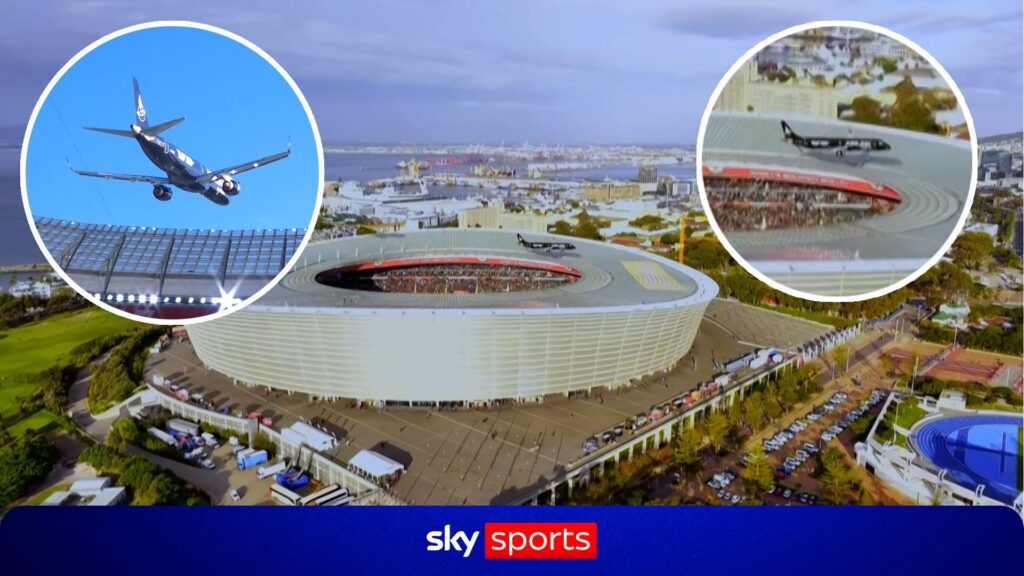
On 30 August 2026, just minutes before the start of the second Test at Newlands Cricket Ground, two commercial passenger jets – a South African Airways A320 and a privately chartered Boeing 737 – performed a synchronized low‑altitude flypast over the stadium. Video footage captured the aircraft skimming just 150 metres above the pitch, trailing banners that read “Welcome New Zealand”.
Spectators on the ground reported a sudden rush of wind and a deafening roar that momentarily drowned out the national anthems. While many fans posted the spectacle on social media, safety experts and a handful of nearby residents voiced alarm, noting that the jets were operating well below the minimum altitude prescribed for commercial flights in the area, which is 300 metres according to SACAA regulations.
Regulatory response: SACAA launches a formal probe
Within hours of the flypast, SACAA announced a formal investigation into the event. The authority said it would review flight logs, air traffic control communications, and the permits that allowed the aircraft to operate at such a low altitude. Sources close to the regulator indicated that the investigation will also examine whether the airlines received any undue pressure from event sponsors or cricket officials.
If the probe finds that the flights breached safety standards, the regulator could impose fines, suspend the operators’ low‑altitude flight permissions, or even pursue criminal charges against pilots who knowingly violated altitude restrictions. SACAA’s spokesperson, Thandiwe Mokoena, told reporters that “public safety is non‑negotiable, even when the intention is to entertain.”
Why it matters: Safety, tourism, and the aviation brand
South Africa’s tourism sector contributed roughly 8 % of GDP in 2025, with sports tourism accounting for a growing slice of that figure. The country markets itself as a safe, world‑class destination for international events, from the Cricket World Cup to the upcoming 2028 Summer Olympics bid. A high‑profile safety breach at a flagship Test match threatens to erode confidence among overseas visitors and could raise insurance premiums for airlines operating in the region.
Moreover, the incident highlights a tension between commercial interests and public safety. Airlines such as South African Airways have been under financial strain for years, and high‑visibility marketing stunts are seen as a way to attract new customers. Yet any perception that airlines are willing to sidestep regulations could damage the broader reputation of the African aviation industry, which is already working to meet International Civil Aviation Organization (ICAO) safety benchmarks.
Local communities also stand to be affected. Residents living near stadiums often experience noise pollution and increased traffic during major matches. Adding low‑altitude jet traffic amplifies these disruptions and raises the risk of accidents that could have severe consequences for nearby neighborhoods.
Broader trend: Stunts, sponsorship, and regulation across Africa
The Cape Town flypast is not an isolated case. In Lagos last year, a chartered jet performed a low‑level loop over the National Stadium during a high‑stakes football derby, prompting a similar inquiry by the Nigerian Civil Aviation Authority. In Nairobi, a drone light‑show at a marathon in 2024 was halted midway after regulators flagged interference with commercial air routes. These incidents point to a continent‑wide scramble to balance the lure of viral marketing with the need for stringent oversight.
African sports federations are increasingly partnering with airlines for sponsorship, leveraging the airlines’ extensive route networks to promote travel packages. While these partnerships bring revenue, they also create potential conflicts of interest when airlines push for promotional activities that test the limits of aviation law. Observers suggest that a coordinated policy framework – perhaps led by the African Civil Aviation Safety Initiative (ACASI) – could standardise guidelines for aerial displays at public events, reducing the likelihood of future breaches.
At the same time, the rise of low‑cost carriers in Africa has introduced a new class of operators eager for brand exposure. The competition for market share means that airlines may view spectacular flyovers as a cheap advertising tool, even if it means navigating a legal gray area. Regulators must therefore adapt, offering clear pathways for approved displays while maintaining hard‑line safety standards.
Looking ahead: What the investigation could mean for future events
If SACAA’s probe ends with punitive measures, event organizers are likely to tighten their approval processes for any aerial activity. This could involve mandatory risk‑assessment reports, higher insurance requirements, and a cap on the number of aircraft allowed to perform a flypast. Cricket South Africa (CSA) has already signalled that it will work closely with SACAA to develop a “Sky Safety Protocol” for upcoming series, including the 2026–27 Ashes tour and the 2027 ICC Champions Trophy.
Conversely, a finding that the flypast complied with existing permits could embolden other promoters to pursue similar stunts, potentially prompting a revision of the altitude rules themselves. Industry insiders speculate that the regulator may consider creating a special “event‑flight corridor” that allows limited low‑altitude operations under strict supervision, a model already used in parts of Europe for fireworks displays.
For the diaspora, the outcome matters because many South Africans abroad follow cricket closely and plan trips to watch matches live. A perception of lax safety could deter them from traveling, affecting airline ticket sales and ancillary tourism revenue. The investigation’s transparency, therefore, will serve as a litmus test for how South Africa balances commercial ambition with the safety expectations of both local fans and the global South African community.
Quick Answers
Why is the South African aviation regulator investigating the low jet flypast?
SACAA is probing the flypast because the jets flew below the legal minimum altitude for commercial aircraft, raising safety concerns for spectators and nearby residents.
How could the incident affect tourism and future sports events in South Africa?
A safety breach can damage South Africa’s reputation as a safe destination, potentially lowering international visitor numbers and increasing insurance costs for airlines and event organizers.
What changes might regulators introduce after the investigation?
Possible changes include stricter approval processes for aerial displays, higher insurance requirements, and the creation of a dedicated low‑altitude event corridor under tight supervision.
Source: www.skysports.com




💬 Comments 0