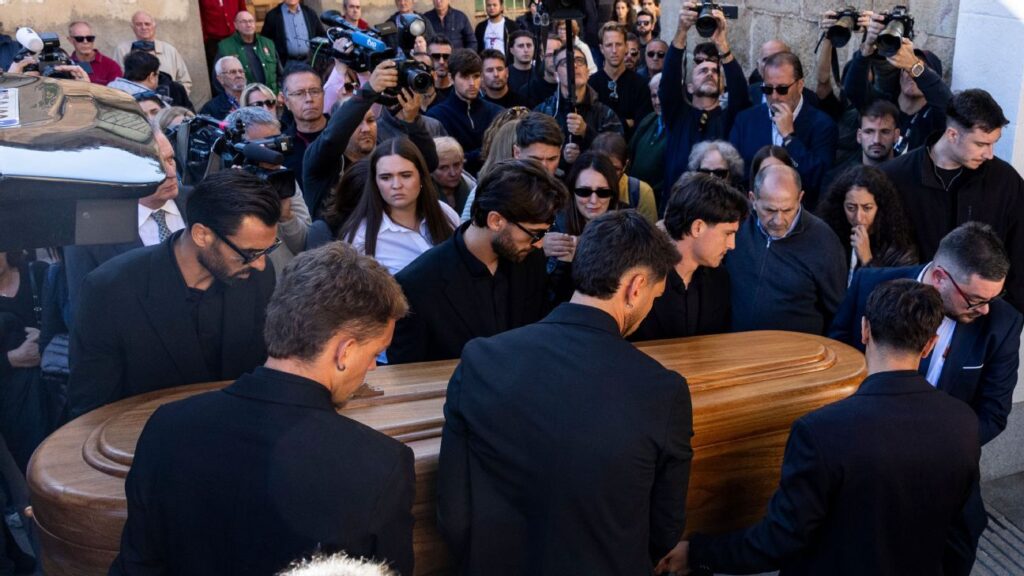
Spain coach Luis Enrique and Real Madrid president Florentino Pérez attend Jesús de Miguel funeral in Tenerife, 2026
The Tragic Loss of Jesús de Miguel
On Thursday, the football world was stunned by the sudden death of Jesús de Miguel, a 23‑year‑old midfielder for CD Tenerife who had been a rising talent in Spain’s Segunda División. De Miguel, who debuted for the club in 2023, was known for his tenacity in midfield and his ability to link play, earning praise from teammates and coaches alike. The official cause of death has not been released, but the club confirmed that he passed away unexpectedly, leaving a void both on the pitch and in the close‑knit community of the Canary Islands.
De Miguel’s funeral was held at the historic Iglesia de San Juan Bautista in Santa Cruz de Tenerife, drawing a crowd that included family members, club officials, fellow players, and fans who lined the streets to pay their respects. The solemn ceremony highlighted the deep bond between the player and the island’s football culture, where local talent is often celebrated as a source of regional pride. His loss reverberated beyond Tenerife, prompting an outpouring of grief across Spanish football.
A Show of Unity: Luis Enrique and Florentino Pérez at the Funeral
In an uncommon display of solidarity, Spain’s national team coach Luis Enrique and Real Madrid president Florentino Pérez arrived at the funeral, sitting alongside the family and teammates. Enrique, who has overseen the national side since 2018, issued a brief statement after the service, saying that De Miguel’s “spirit and love for the game will forever inspire the next generation of players.” Pérez, who has long championed youth development through Real Madrid’s academy, offered a personal condolence to the family, emphasizing the club’s commitment to supporting the bereaved community.
Their presence was more than a gesture of sympathy; it underscored the interconnectedness of Spanish football’s elite and its grassroots. Analysts noted that such high‑profile attendance signals a growing awareness among top clubs and the national federation of their role in nurturing regional talent and providing emotional support in times of crisis. It also reflects a broader shift toward greater visibility of mental‑health and wellbeing initiatives within the sport.
What This Signals for Spanish Football and Its African Talent Pipeline
De Miguel’s death arrives at a moment when Spanish clubs are increasingly scouting and developing African players, many of whom see the Segunda División as a stepping stone to La Liga’s spotlight. Tenerife’s academy, for instance, has recently integrated several young African prospects from Nigeria, Ghana, and Senegal, offering them professional contracts and exposure to European competition. The tragedy has prompted club officials to reaffirm their commitment to safeguarding the welfare of all players, regardless of nationality, by reviewing medical protocols and support services.
The attendance of Enrique and Pérez also carries symbolic weight for the African diaspora in Spain. According to a report by African Sports Network, more than 30 % of the under‑23 players in Spain’s second tier now have African heritage, and their success is often linked to the mentorship and resources provided by senior figures in the sport. By publicly honoring a local Spanish player, the football hierarchy sends a message that the same level of care and respect is expected for African talents, who frequently face additional challenges such as cultural adjustment and discrimination.
Looking Ahead: Mourning, Legacy, and Future Support
In the weeks following the funeral, CD Tenerife announced plans to retire De Miguel’s jersey number for the upcoming season, a tribute that mirrors similar gestures made for players who have passed away prematurely. The club also pledged to establish a scholarship fund for young athletes from under‑privileged backgrounds on the islands, aiming to turn grief into a lasting positive impact. The Spanish Football Federation has indicated that it will collaborate with medical experts to enhance health screenings for players at all levels.
For fans and the broader community, the incident serves as a reminder of the fragility of life in a sport often defined by triumphs and statistics. It also highlights the responsibility of powerful institutions—national teams, top clubs, and governing bodies—to act as custodians of player welfare. As the season progresses, the hope is that the solidarity shown at De Miguel’s funeral will translate into concrete policies that protect both Spanish and African players navigating the demanding world of professional football.
Quick Answers
Who was Jesús de Miguel?
Jesús de Miguel was a 23‑year‑old midfielder for CD Tenerife who died unexpectedly in November 2026.
Why did Luis Enrique and Florentino Pérez attend the funeral?
They attended to show solidarity with the club and the community, underscoring the football hierarchy’s commitment to player welfare.
How might this tragedy affect African players in Spain?
The incident has prompted clubs to reaffirm support for all players, including African prospects, and may lead to stronger health and wellbeing protocols.
Source: www.espn.com



💬 Comments 0