Spanish FA signs fertility treatment deal for women players, boosting careers in 2026
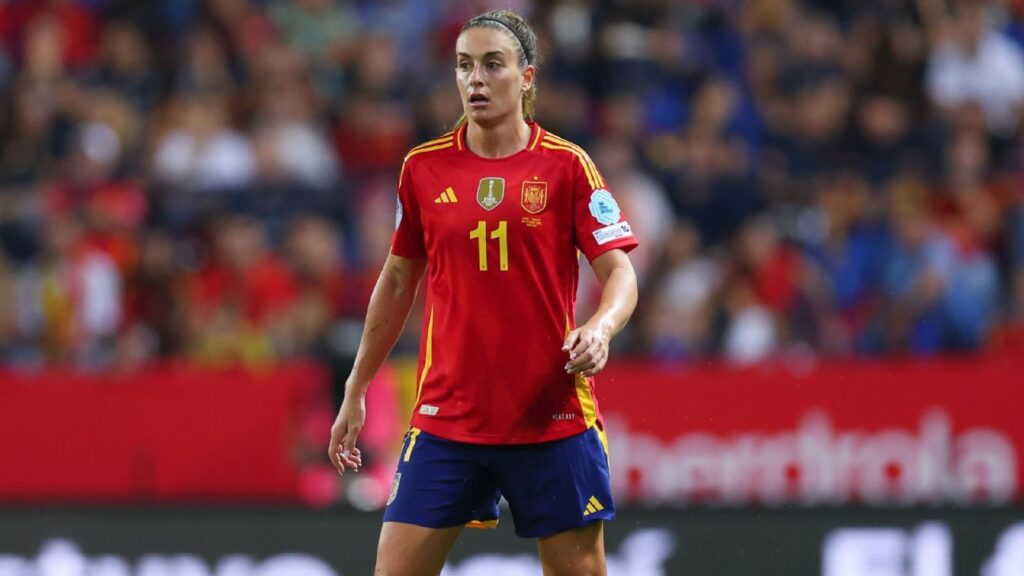
A historic move for women's football in Spain
The Royal Spanish Football Federation (RFEF) unveiled a pioneering agreement that will allow its female athletes to access egg‑freezing and fertility treatments at no cost. While similar schemes have appeared in a handful of elite sports, this is the first time a national football body has taken such a step for its women's teams, ranging from the senior squad to the U‑19 side.
The decision arrives at a time when Spain’s women’s national team is riding a wave of success, having reached the World Cup final in 2023 and clinched the European Championship in 2025. Those achievements have shone a spotlight on the unique pressures female players face, especially the clash between peak performance years and the biological clock.
What the agreement actually covers
Under the new programme, any player registered with the RFEF can opt for egg‑freezing after a minimum of one year of professional contracts. The federation will cover the full cost of ovarian stimulation, retrieval, and storage for up to ten years, and will also subsidise in‑vitro fertilisation (IVF) cycles if a player decides to use the frozen eggs later.
The RFEF has partnered with a consortium of leading fertility clinics in Madrid and Barcelona, chosen for their high success rates and experience working with elite athletes. A dedicated medical liaison will coordinate appointments around training schedules, ensuring that the process does not interfere with competitive commitments.
Why the policy matters beyond the locker room
The initiative tackles a long‑standing gender gap in sports welfare. Male footballers have long benefited from comprehensive health packages that include injury prevention and mental‑health support, but reproductive health has rarely been part of the conversation for women. By funding fertility care, the RFEF signals that a player’s life after football is part of its responsibility.
Experts say the move could extend careers. “When athletes know they have a safety net for family planning, they can focus on the game without the constant anxiety of missing a window,” explained Dr. Laura Martínez, a sports‑medicine specialist cited by El País. The policy may also encourage younger talent to stay in the sport longer, reducing the attrition that has plagued women’s leagues worldwide.
Implications for African players and the diaspora
Spain’s top division, Liga F, hosts a growing contingent of African talent, including Nigerian forward Asisat Oshoala’s younger sister, who recently signed with a Madrid club, and Ghanaian midfielder Abena Koomson at Valencia. The RFEF’s scheme will be available to them as well, offering a level of support rarely seen in many African federations.
In contrast, most African football associations lack dedicated reproductive‑health programmes for women athletes. The South African Football Association (SAFA) announced a pilot project in 2024, but funding remains limited. The Spanish model could serve as a benchmark for the Confederation of African Football (CAF) as it seeks to professionalise women’s football across the continent, especially as more African players migrate to Europe and the diaspora community watches closely.
Reactions from players, unions and the public
Spain’s women’s national team captain, Alexia Putellas, welcomed the deal, stating on a live interview that “our bodies deserve the same respect we give our skills on the pitch.” The Spanish Footballers’ Union (AFE) issued a statement urging other sports bodies to adopt similar measures, calling the agreement a “landmark in gender‑fair sport policy.”
Public opinion has been largely supportive, with social‑media trends praising the federation for addressing a taboo subject. However, a small fringe of critics argue that the focus should first be on improving wages and infrastructure. The RFEF responded that the fertility programme complements, rather than replaces, ongoing efforts to raise salaries and broadcast revenue.
What comes next – a ripple effect across football?
Analysts predict that the RFEF’s move will accelerate a cascade of similar policies in Europe. The French Football Federation (FFF) is reportedly reviewing its own health benefits after a leaked memo referenced the Spanish agreement. Meanwhile, the English FA has hinted at a “holistic wellbeing” package that could incorporate fertility support later this year.
For African federations, the challenge will be financing such programmes. Some suggest public‑private partnerships with fertility clinics and diaspora investors could bridge the gap. If the Spanish model proves cost‑effective—estimated at €150,000 annually for the entire women’s pool—other nations may find it a viable investment in retaining elite talent.
Quick Answers
When will Spanish women footballers be able to use the fertility programme?
The scheme is effective from the start of the 2026‑27 season, with appointments scheduled as soon as a player signs a professional contract.
Does the agreement cover male players as well?
No, the current RFEF deal is limited to female athletes, focusing on egg‑freezing and IVF support.
How might this affect African women footballers playing in Spain?
African players in Liga F will have the same free access to fertility services, offering them health security that many African federations cannot yet provide.
Source: www.espn.com




💬 Comments 0