Srijit Mukherji’s ‘Maharaja Tomare Selam’ Chronicles Satyajit Ray’s Classic, Sparks Streaming & Cross‑Continental Film Talk in 2026
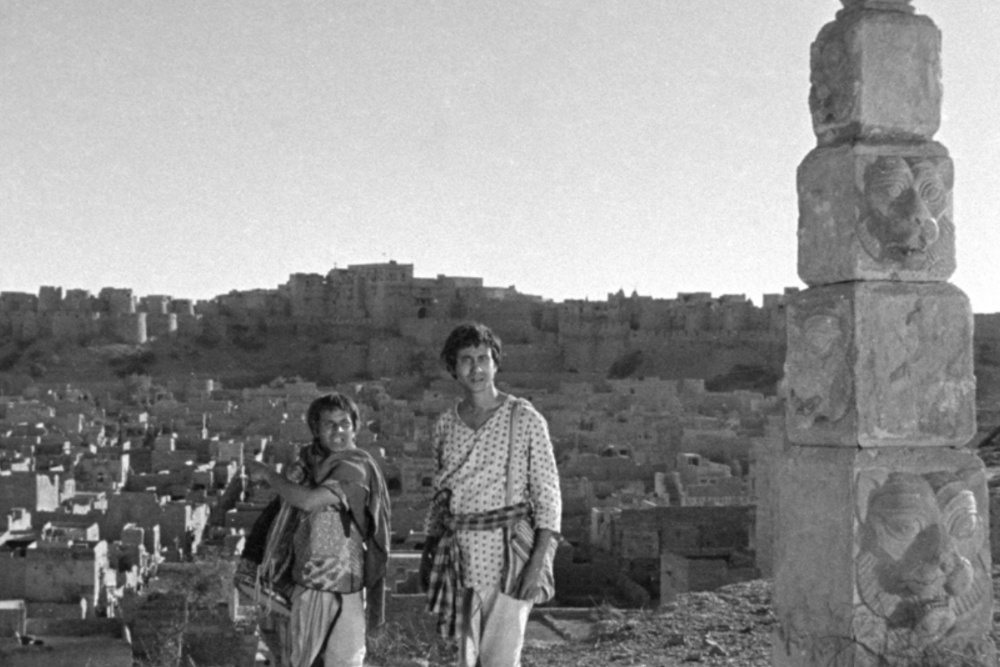
A legendary film gets a new lens
When Satyajit Ray released *Goopy Gyne Bagha Byne* in 1969, the whimsical tale of a lute‑playing royal and a drum‑beating tiger‑tamer became a cultural touchstone across the Indian sub‑continent. The film’s blend of folklore, music, and subtle social commentary helped cement Ray’s reputation as a master storyteller, earning the movie a place in curricula at film schools worldwide.
Now, more than five decades later, award‑winning director Srijit Mukherji is turning the camera on the making of that very classic. Titled *Maharaja Tomare Selam*, the new project assembles a cast that includes Jeetu Kamal, Ritwik Bhowmik and Rudranil Ghosh, and is being produced by Hoichoi Studios, the Bengali‑language streaming service that has been expanding its original‑content slate since 2017.
Why a film‑within‑a‑film matters now
Meta‑cinema—movies that examine their own creation—has surged in popularity, from *The Disaster Artist* to *Ed Wood*. Mukherji’s choice to spotlight Ray’s production process taps into a broader appetite for behind‑the‑scenes narratives that reveal how artistic legends navigated limited budgets, political pressures, and creative constraints.
In the Indian context, the project also serves as a cultural reclamation. While Ray’s work has long been celebrated in the West, newer generations of Indian filmmakers often lack direct exposure to the logistical realities of his era. By dramatizing those challenges, *Maharaja Tomare Selam* offers a practical lesson in resourcefulness that could inspire low‑budget creators across South Asia.
Streaming platforms as custodians of heritage
Hoichoi’s involvement signals a shift in how regional streaming services view classic cinema. Rather than merely licensing old titles, they are now investing in original productions that reinterpret heritage material. This mirrors a trend seen on Netflix’s African side, where series like *Blood & Water* embed local folklore into contemporary storytelling.
For African audiences, especially the diaspora, the move is noteworthy. Hoichoi has recently opened a limited rollout in Kenya and South Africa, offering Bengali content with subtitles. A film that delves into the making of a universally beloved classic could act as a bridge, encouraging African viewers to explore South Asian cinematic history while also prompting local platforms to consider similar heritage‑driven projects.
Ray’s ripple effect on African cinema
Satyajit Ray’s influence extends far beyond India. African auteurs such as Ousmane Sembène and Djibril Diop Mambéty cited Ray’s humanist style as a template for portraying everyday struggles with dignity. Film scholars in Lagos and Nairobi routinely reference *Goopy Gyne Bagha Byne* when teaching narrative structure, noting its balance of mythic rhythm and social critique.
By revisiting Ray’s production story, Mukherji indirectly revives that cross‑continental dialogue. African film festivals, from the Durban International Film Festival to the Zanzibar International Film Festival, have begun featuring retrospectives of Ray’s work alongside home‑grown classics, highlighting a shared lineage of storytelling that navigates post‑colonial identities.
What’s next for the project and the wider industry?
The release date for *Maharaja Tomare Selam* is slated for early 2027 on Hoichoi, with a simultaneous limited theatrical run in Kolkata, Dhaka and, for the first time, Nairobi. Industry insiders say the Nairobi screening is part of a strategic partnership aimed at testing audience appetite for South‑Asian heritage content in East Africa (according to *Variety*).
If the experiment proves successful, we could see a wave of similar productions: African studios may commission documentaries about the making of seminal Nollywood films, while Indian platforms could expand their archival‑drama model to cover classics from other regions. The ripple effect could reshape how streaming services curate cultural memory, turning historic films into living, teachable assets rather than static catalog entries.
Quick Answers
What is *Maharaja Tomare Selam* about?
*Maharaja Tomare Selam* dramatizes the behind‑the‑scenes making of Satyajit Ray’s 1969 classic *Goopy Gyne Bagha Byne*.
When will the film be available to watch?
The film is expected to debut on Hoichoi in early 2027, with limited theatrical screenings in select African cities.
Why is the film important for African audiences?
It highlights Ray’s influence on African cinema and marks Hoichoi’s first foray into African markets, potentially opening doors for cross‑cultural streaming collaborations.
Source: variety.com




💬 Comments 0