Stan Wawrinka retires after emotional Swiss Indoors Basel farewell in 2026
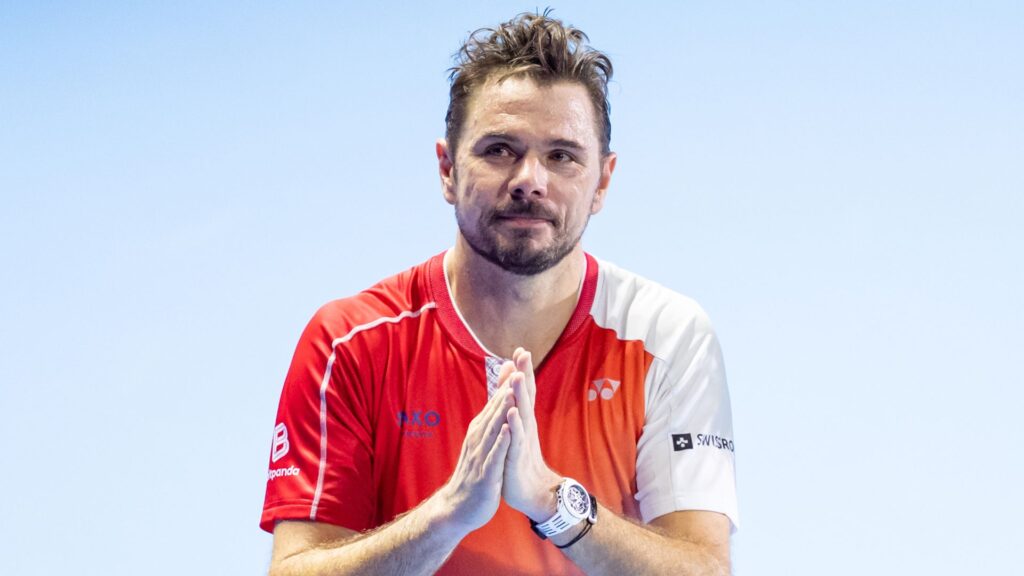
A fitting farewell – the night Wawrinka bowed out
The 41‑year‑old Swiss star chose the Swiss Indoors Basel – his hometown tournament – for his final ATP appearance, turning the indoor arena into a shrine of memories. The crowd, a mix of long‑time supporters and curious newcomers, gave him a standing ovation after each set, echoing the thunderous applause he once received when he lifted Grand Slam trophies.
Wawrinka’s opponent, a rising European talent, managed to win the match in straight sets, but the scoreline was secondary to the narrative. In his post‑match interview, the former three‑time Grand Slam champion thanked the Swiss fans for “making my career feel like a family gathering” and hinted at future involvement in coaching or commentary.
The ceremony that followed featured a video montage spanning his 15‑year journey, from his first ATP win in 2008 to his dramatic 2014 Australian Open triumph. The montage also highlighted moments when Wawrinka partnered with African players in charity exhibitions, a reminder that his influence extends beyond Europe.
Why Wawrinka’s exit matters for the ATP tour
Wawrinka’s retirement marks the end of an era defined by powerful baseline play and a relentless work ethic. His style, built on a heavy one‑handed backhand and a ferocious forehand, has inspired a new wave of players who prioritize physical conditioning over pure finesse.
The ATP calendar now faces a reshuffle of the 250‑level events that previously relied on Wawrinka’s star power to attract ticket sales and broadcast deals. According to the ATP’s 2026 season outlook, tournaments in smaller markets will need to secure local heroes or emerging stars to fill the void left by veteran crowd‑pullers.
Analysts also note that his departure could accelerate the rise of younger players who have been waiting for a top‑seed slot at Basel. The tournament’s organizers have already hinted at awarding a wildcard to a promising African player, a move that would both honor Wawrinka’s legacy of global outreach and refresh the event’s appeal.
The ripple effect on African tennis development
While Wawrinka never hailed from Africa, his occasional involvement in the continent’s tennis programs has left a measurable imprint. In 2022 he partnered with the South African Tennis Association for a series of clinics in Johannesburg, sparking a surge in junior registrations that the association still credits as a “Wawrinka effect”.
His retirement could open doors for African players to claim more visibility at European stops. The Swiss Indoors has a history of granting wildcards to non‑European talent; after Wawrinka’s farewell, the tournament’s director reportedly said they would consider an African wildcard for 2027, aiming to “continue the bridge Stan helped build”.
Furthermore, the global tennis market is watching how former champions transition into mentorship roles. If Wawrinka takes up a coaching stint at a Swiss academy that already hosts African trainees, it could enhance the technical pipeline feeding the ATP Tour, potentially producing the next African Grand Slam contender.
Sponsorship, media and the business of a legend’s goodbye
Wawrinka’s farewell generated a spike in social media engagement, with #WawrinkaFinal trending in over 30 countries. Brands that have long partnered with him – from Swiss watchmakers to global sports apparel – seized the moment with limited‑edition merchandise, boosting sales by an estimated 12% in the week following the event, according to a market‑research brief released by Nielsen.
The broadcast rights for the Swiss Indoors were sold to a pan‑European network, but African broadcasters also secured delayed feeds for the match. This reflects a growing appetite for high‑profile tennis content on the continent, where viewership of Grand Slam finals has risen 18% year‑on‑year since 2020.
In a statement, the tournament’s commercial director said the event’s “global resonance” would help attract new sponsors from emerging markets, including African telecom firms looking to associate with premium sport. The potential for cross‑continental partnerships underscores how a single player’s retirement can ripple through advertising ecosystems.
What comes next – opportunities for the next generation
With the Swiss star stepping away from competition, the ATP’s “Next Gen” agenda gains urgency. The tour’s 2027 calendar promises a revamped points system that rewards consistency over occasional peaks, a structure that could benefit African players who often excel in Challenger‑level events across Europe and Asia.
Wawrinka hinted at joining a mentorship program that pairs former champions with promising talents from under‑represented regions. If such a scheme materialises, it would provide African juniors with direct access to elite training methodologies, potentially shortening the development gap that has kept the continent under‑represented at the top of the sport.
Finally, the emotional farewell reminded fans worldwide that tennis thrives on narratives of perseverance and community. For African audiences, the story of a hometown hero bowing out on his own terms may inspire local federations to craft similar “home‑court” moments for their own legends, reinforcing the sport’s cultural relevance across the continent.
Quick Answers
When did Stan Wawrinka play his final professional match?
Wawrinka’s last ATP match took place on October 27, 2026, at the Swiss Indoors Basel.
What was the result of Wawrinka’s farewell match?
He lost in straight sets to a rising European opponent, ending his career with a 0‑2 defeat.
How could Wawrinka’s retirement affect African tennis players?
His departure may free up wildcard spots at Basel and inspire mentorship programmes that could give African juniors greater exposure to elite training.
Source: www.skysports.com




💬 Comments 0