Supporting Role Review 2026: Dato Bakhtadze Leads Nocturnal Tbilisi Odyssey, What It Means for African Film Fans
Georgian cinema’s quiet renaissance
Over the past decade, Georgia has quietly emerged from the shadows of post‑Soviet cinema to produce films that attract festival buzz and streaming deals. Government incentives, a new generation of film schools, and co‑production treaties with European partners have created a fertile environment for daring storytellers like Ana Urushadze. While the country’s most famous export remains the 2018 hit "And Then We Danced," the recent slate of gritty, character‑driven works shows a shift toward urban realism and genre blending.
This momentum matters beyond the Caucasus because it mirrors a broader movement across emerging markets: local stories told in a global language, aimed at both festival juries and worldwide streaming platforms. African filmmakers are watching closely, seeing in Georgia a model for leveraging modest budgets into internationally marketable art‑house cinema.
What "Supporting Role" does on screen
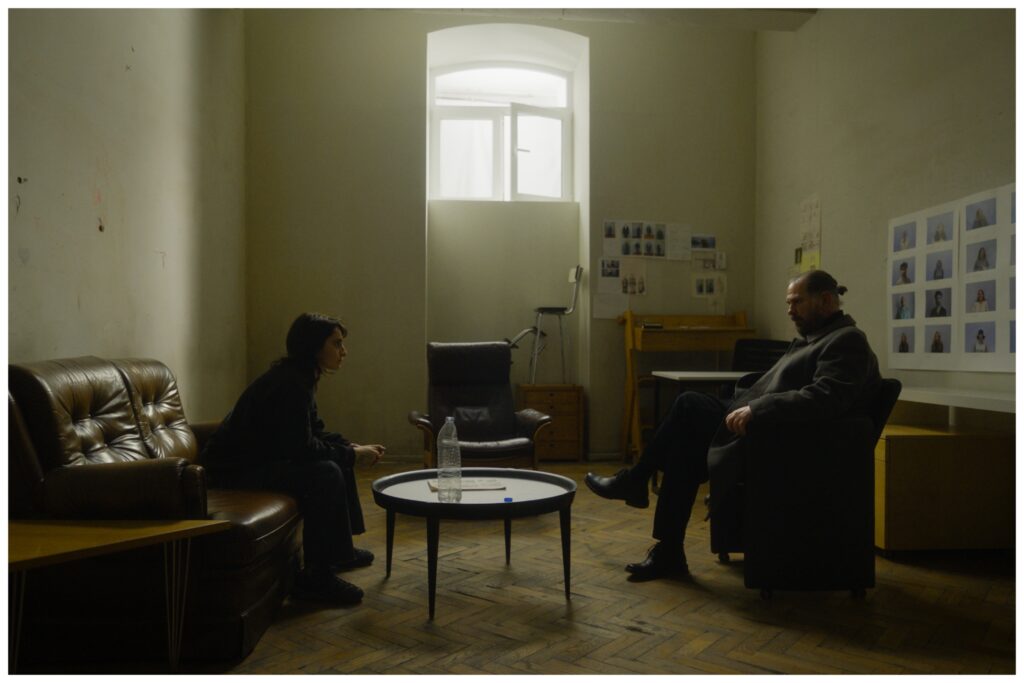
Ana Urushadze’s second feature follows Niaz, played by veteran Georgian star Dato Bakhtadze, as he roams the neon‑lit alleys of Tbilisi after his once‑glittering career fades. The film is deliberately paced, echoing Jim Jarmusch’s minimalist wanderers, but it injects a uniquely Georgian melancholy through its use of night‑time cityscapes, folk‑inspired sound design, and moments of absurd humor. Bakhtadze’s performance is a study in restrained vulnerability; his physicality—still imposing—contrasts with the emptiness of the roles he now accepts.
Narratively, the movie explores themes of relevance, memory, and the price of fame in a post‑industrial city. The script avoids tidy resolutions, instead offering a series of vignettes that suggest Niaz is both a relic and a witness to Tbilisi’s rapid gentrification. The cinematography, shot on 35mm film, adds texture that feels both nostalgic and contemporary, a visual choice that resonates with audiences craving tactile aesthetics in an era of digital saturation.
Why African and diaspora audiences should care
For African creators and viewers, "Supporting Role" offers a parallel to the challenges faced by aging stars in Nollywood, Ghana’s Kumawood, or Kenya’s emerging indie scene. The film’s focus on a once‑celebrated actor navigating a changing industry mirrors the experience of many African performers whose careers are disrupted by streaming algorithms and shifting funding models. It raises the question of how local star power can be repurposed in a market that increasingly values global visibility over domestic box‑office draws.
Moreover, the movie’s distribution strategy—premiering at the Sarajevo Film Festival, then moving to a limited theatrical run in Europe before landing on a European‑backed streaming service—provides a roadmap for African producers seeking similar pathways. The success of Georgian titles on platforms like MUBI and Criterion Collection suggests that niche, culturally specific stories can find enthusiastic audiences abroad, a lesson that could inspire African festivals to negotiate better streaming deals for their own films.
The nocturnal‑city trend and its global ripple
The night‑time urban wanderer has become a recognizable motif in 2020s cinema, from Hong Kong’s neon‑soaked thrillers to Lagos‑set dramas that use darkness to explore social undercurrents. "Supporting Role" adds a fresh voice to this trend by positioning Tbilisi’s historic streets as both a character and a metaphor for fading glory. The film’s emphasis on ambient sound—street vendors, distant church bells, subway screeches—creates an immersive soundscape that many African filmmakers are now experimenting with to convey the texture of their own megacities after dark.
Critics argue that this aesthetic is more than style; it signals a shift toward stories that interrogate how cities evolve when their cultural icons age out of relevance. In African contexts, where rapid urbanisation is reshaping skylines, the nocturnal lens can reveal the hidden economies and informal networks that sustain everyday life, much like the undercurrents shown in Urushadze’s Tbilisi.
Reception, festival circuit, and early buzz
Early reactions from European festivals have highlighted Bakhtadze’s understated charisma. Variety called his performance "a masterclass in quiet desperation," while The Guardian praised the film’s "hypnotic nocturnal choreography" that keeps viewers glued despite its deliberate pacing. Audience scores on festival apps hover around 8.2/10, indicating strong word‑of‑mouth potential, especially among cinephiles who favor mood‑driven narratives.
In Africa, the film sparked conversation on social media platforms like Twitter Africa and the diaspora‑focused forum AfroFilmTalk, where users compared Niaz’s existential drift to that of Nigerian veteran actor Richard Mofe‑Damijo’s recent roles. A handful of African film schools have already scheduled screenings for their curricula, citing the movie as a case study in cross‑cultural storytelling and low‑budget production design.
What’s next for "Supporting Role" and similar projects
The next phase for Urushadze’s film will likely be a broader streaming rollout. Sources say that a European streaming service with a strong art‑house catalog is negotiating a multi‑region license, which could include Sub‑Saharan Africa and the Caribbean diaspora by early 2027. If the deal materialises, it would be one of the few Georgian titles to be marketed directly to African audiences, potentially opening a pipeline for future co‑productions between Georgian and African studios.
Beyond distribution, the film’s success may encourage more African‑Georgian collaborative workshops. The Georgian National Film Centre recently announced a grant for joint projects that explore “urban identity in transition,” a call that could attract African filmmakers eager to experiment with the night‑city aesthetic. Such partnerships could yield a new wave of hybrid narratives, blending Tbilisi’s cobblestone charm with Lagos’s bustling markets, and further diversify the global indie film ecosystem.
Quick Answers
What is the plot of "Supporting Role"?
"Supporting Role" follows aging Georgian star Niaz, played by Dato Bakhtadze, as he wanders nocturnal Tbilisi after his career declines, confronting memory, relevance, and the city's rapid change.
When will "Supporting Role" be available for streaming in Africa?
A streaming deal is expected to launch in early 2027, potentially on a European art‑house platform that includes Sub‑Saharan territories.
Why is Dato Bakhtadze’s performance significant for African audiences?
Bakhtadze’s portrayal of a fading star mirrors challenges faced by veteran actors in African cinema, offering a relatable look at career transition in a shifting industry.
Source: variety.com




💬 Comments 0