Trent Alexander-Arnold Real Madrid Future 2026: Why Premier League Giants are Scrambling and What It Means for African Fans
Background: How a Liverpool Icon Ended Up at the Bernabéu
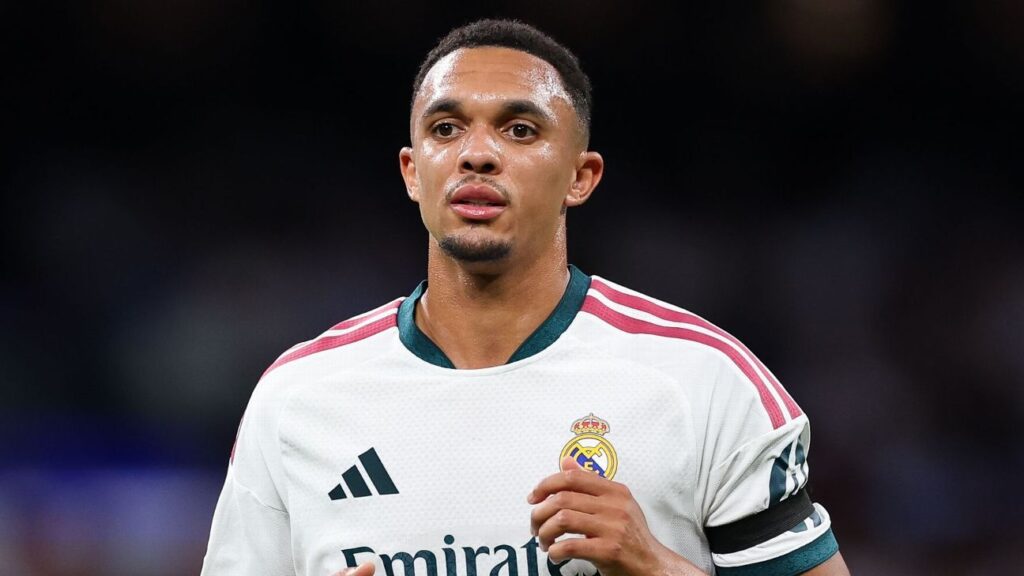
Trent Alexander-Arnold, the England right‑back who transformed Liverpool’s attacking play under Jürgen Klopp, completed a shock move to Real Madrid in the summer of 2025. The transfer, reportedly worth €70 million plus add‑ons, was billed as a gamble by the Spanish giants to inject youthful creativity into a back‑line that had struggled with injuries. Alexander‑Arnold arrived with a résumé that included a Premier League title, two Champions League trophies and a reputation for set‑piece mastery, but his defensive consistency remained a point of debate among pundits. His first season in Spain saw mixed performances – dazzling crosses against Barcelona contrasted with costly lapses against Atlético Madrid – leaving his future uncertain as the club evaluates whether his style fits Carlo Ancelotti’s evolving system.
The move also sparked a broader conversation about English talent heading abroad, a trend that had accelerated after the 2022 World Cup when several Premier League stars sought new challenges in La Liga, Serie A and the Bundesliga. While some, like Jadon Sancho and Declan Rice, found success, others struggled to adapt to different tactical demands. Alexander‑Arnold’s situation now serves as a litmus test for whether highly specialized English full‑backs can thrive in a possession‑heavy, high‑press environment like Madrid’s.
What’s Happening Now: Premier League Suitors Circle the Player
By early October 2026, a shortlist of English clubs has emerged, each convinced they can offer the right blend of tactical freedom and defensive support. Liverpool, still tied to the player by sentiment, has reportedly submitted a bid that includes a sell‑on clause benefiting Real Madrid. Chelsea’s new ownership, eager to re‑establish a reputation for smart signings, is said to be preparing a €85 million offer that would pair Alexander‑Arnold with a defensive midfielder to shore up the right flank. Arsenal, under Mikel Arteta, sees him as the missing piece to unlock a more fluid attack from the right, while Manchester City’s Pep Guardiola reportedly views him as a “project” that could be moulded within City’s positional rotation system.
Sources close to the negotiations say that Real Madrid is weighing its options carefully. The club’s recent financial statements show a modest dip in revenue after a disappointing Champions League campaign, prompting the board to consider recouping part of the original outlay. However, the Spanish side also recognizes that off‑field commercial appeal – especially in the UK and North America – could be amplified by retaining a high‑profile English star. As a result, any decision will likely hinge on a combination of sporting fit, fee structure and the potential for a future sell‑on profit.
Why It Matters: Impact on the Premier League Transfer Landscape
The possible return of Alexander‑Arnold to England could reshape the market dynamics for full‑backs across Europe. Historically, English defenders have commanded premium fees when moving abroad, but a reverse transfer at this scale would signal a re‑valuation of domestic talent worth. Clubs may become more aggressive in chasing back‑line assets, leading to inflated prices for players who can contribute both defensively and offensively – a skill set that modern managers prize. Moreover, the negotiation tactics employed by Real Madrid, such as insisting on performance‑based add‑ons, could set a template for future deals involving high‑profile English exports.
Another ripple effect concerns the financial health of the Premier League’s “big six.” If Chelsea or Arsenal succeed in securing Alexander‑Arnold, they will need to allocate a sizeable portion of their wage budget, potentially limiting spending on other positions. This could accelerate a trend where clubs focus on developing home‑grown talent rather than splurging on marquee signings, a shift that may benefit youth academies across the UK and, by extension, the African diaspora who often look to English clubs as pathways to professional football.
The African Connection: How the Transfer Echoes Across the Continent
While the headline is unmistakably European, the story resonates deeply with African football fans and markets. The Premier League remains the most‑watched league on the continent, with millions tuning in via satellite and streaming platforms. A high‑profile player like Alexander‑Arnold moving between elite clubs can drive spikes in viewership, advertising revenue, and merchandise sales in African territories. Broadcasters such as SuperSport and Canal+ have historically leveraged big transfers to negotiate better rights fees, meaning a potential move could translate into more affordable packages for African households.
Beyond economics, the transfer underscores the growing influence of African‑born coaches and scouts in English clubs. Both Liverpool and Chelsea employ scouting networks that heavily tap into West African talent pools, and a new signing could open doors for African players to join top academies. For example, Chelsea’s recent partnership with the Nigerian Football Federation aims to create a pipeline for young prospects. Should Alexander‑Arnold join Chelsea, the club may accelerate its investment in African youth development to complement the high‑profile acquisition, offering more opportunities for African players to break into elite European football.
What’s Next: Scenarios and Their Likely Outcomes
Looking ahead, three plausible scenarios could unfold before the winter window closes. First, Real Madrid may decide to keep Alexander‑Arnold, betting on a tactical overhaul that places greater emphasis on wing‑back play, thereby increasing his defensive responsibilities and market value. Second, a Premier League club could meet Madrid’s valuation, triggering a transfer that would likely involve a sell‑on clause, ensuring Madrid benefits from any future resale to a club like Paris Saint‑Germain or a return to the Premier League. Third, the player could opt for a loan move, allowing him to regain form while the clubs negotiate a permanent deal later in the season. Each outcome will have distinct implications for the competitive balance in both La Liga and the Premier League, as well as for the commercial interests tied to the player’s brand.
For African fans, the decisive factor will be accessibility. A permanent move to a club with a strong broadcasting footprint in Africa—such as Chelsea, which already enjoys extensive coverage—could mean more live matches, localized content, and community outreach programs. Conversely, a stay at Real Madrid may keep the player in a market that is less penetrated by African media partners, potentially limiting exposure. Regardless of the final destination, the narrative around Alexander‑Arnold’s next chapter will continue to shape conversations about player mobility, club strategy, and the broader economic ties between European football and the African continent.
Quick Answers
Which Premier League clubs are linked to Trent Alexander‑Arnold in 2026?
Liverpool, Chelsea, Arsenal and Manchester City have all been reported as monitoring his situation.
How could Alexander‑Arnold’s transfer affect African football fans?
A move to a club with strong African broadcast deals could boost live coverage, merchandising and youth‑development partnerships on the continent.
What does a possible sale mean for Real Madrid’s finances?
Selling Alexander‑Arnold could help Madrid offset a dip in revenue after a poor Champions League run, especially if the deal includes performance‑based add‑ons.
Source: www.espn.com




💬 Comments 0