U.S. to Host Inaugural 2028 Women’s Club World Cup – Impact on African Clubs and the Global Game
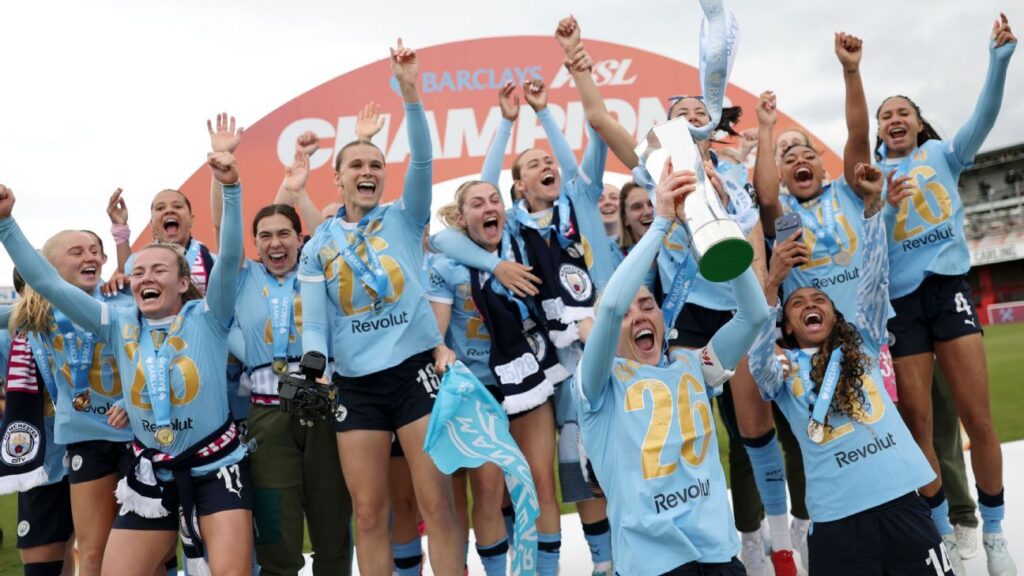
Why FIFA finally launched a women’s club world championship
For more than a decade FIFA has flirted with the idea of a global tournament for women’s clubs, but financial doubts and a lack of a clear continental qualification system kept the project on the back burner. The success of the men’s Club World Cup, combined with a surge in viewership for the Women’s World Cup 2023, finally gave the governing body the confidence to commit resources to a women‑only version. In March 2026 FIFA’s Council approved a 12‑team format and earmarked a $250 million prize pool, signalling a shift from experimental showcase events to a fully fledged competition.
The decision to award hosting rights to the United States reflects both its proven infrastructure for large‑scale tournaments and the country’s growing commercial appetite for women’s sport. The U.S. already boasts stadiums that regularly host MLS, NFL and major concerts, and its recent experience with the 2026 men’s World Cup assures FIFA that logistics will be smooth. Moreover, the American market promises lucrative broadcast deals that can fund the prize money and help subsidise travel costs for clubs from less‑wealthy confederations.
The inaugural edition is slated for January 2028, a window that avoids clashes with the men’s club calendar and the FIFA Women’s World Cup cycle. By placing the tournament at the start of the year, FIFA hopes to give clubs a clear off‑season target and to keep the momentum from the 2027 continental championships alive.
What the 2028 tournament will look like
FIFA announced that sixteen teams will take part, expanding from the originally proposed twelve after pressure from CAF, CONMEBOL and AFC to ensure broader representation. Each continent will receive a minimum of two slots, with the remaining places allocated based on the strength of the continental club competitions over the previous three years. This means the winners and runners‑up of the CAF Women’s Champions League, the CONMEBOL Libertadores Femenina and the Asian Women’s Club Championship are guaranteed participation.
The United States will host matches in three cities – Los Angeles, Dallas and New York – each offering a stadium with a capacity of at least 30,000. The venues were chosen for their diverse fan bases and existing partnerships with broadcasters such as ESPN and Fox Sports. The tournament will run over ten days, with a group stage followed by knockout rounds, mirroring the men’s Club World Cup format but with a tighter schedule to minimise disruption to domestic leagues.
Qualification will begin in mid‑2027, when each confederation runs its own qualifying tournaments or uses the results of existing continental championships. For African clubs, the CAF Women’s Champions League, which debuted in 2021, will serve as the primary pathway. FIFA has also promised a modest travel grant for clubs from lower‑revenue confederations, a move aimed at preventing the tournament from becoming a de facto showcase for only the wealthiest teams.
How the new competition could reshape African women’s football
African clubs have already tasted continental success – South Africa’s Mamelodi Sundowns won the CAF Women’s Champions League in 2022 and 2023, while Nigeria’s Rivers Angels have been perennial contenders. The prospect of a global stage offers these teams a chance to showcase talent that often goes unnoticed outside the continent. A strong showing could accelerate scouting pipelines to Europe and the United States, providing players with professional contracts and raising the overall standard of the domestic leagues.
However, the financial gap remains a major hurdle. Even with FIFA’s travel subsidy, African clubs must still cover training, accommodation and marketing costs that are modest for European or Asian teams. According to a CAF spokesperson, many clubs rely on government or state‑owned mining sponsorships, which can be volatile. The tournament could therefore act as a catalyst for more sustainable commercial models, encouraging clubs to seek private investors and to develop merchandise lines that appeal to the diaspora.
The tournament also dovetails with the African Union’s “Women in Sport” agenda, which aims to increase participation rates and improve governance in women’s football. If an African side reaches the semi‑finals, it would validate the continent’s development programs and could unlock additional funding from both FIFA’s Women’s Football Development Programme and private sponsors eager to tap into the growing African fan base.
Commercial upside and diaspora engagement
Broadcast rights are already being negotiated, and early reports suggest that ESPN will lead the U.S. coverage while StarTimes, a major African pay‑TV operator, is in talks to secure rights for Sub‑Saharan markets. This dual‑market approach is expected to generate a combined revenue pool of $120 million, according to a source close to the negotiations. The diaspora audience, especially Nigerians, Ghanaians and South Africans living in North America and Europe, is seen as a key demographic that can boost viewership numbers and attract advertisers targeting the African diaspora.
Sponsorship interest is also rising. Global brands such as Nike, Adidas and Coca‑Cola have announced intent to sponsor the tournament, citing the “fast‑growing women’s sport segment” as a strategic priority. African brands are not being left out; South Africa’s Naspers and Kenya’s Safaricom have expressed interest in partnership deals that would give them exposure in both the U.S. market and the broader global audience.
Beyond pure economics, the tournament offers a cultural moment. The presence of African clubs will bring distinct styles of play, fan chants in multiple languages and a celebration of African music and fashion during opening ceremonies. This cultural export can reinforce Africa’s soft power and inspire a new generation of girls across the continent to pursue football professionally.
What comes next – preparation, qualification and legacy planning
The next six months will be crucial for clubs aiming to qualify. CAF has announced a revised calendar for the 2027 Women’s Champions League, moving the final to November to give teams sufficient recovery time before the Club World Cup. National federations are also urged to tighten licensing criteria, ensuring that participating clubs meet minimum standards for stadium safety, medical facilities and youth development programs.
In the United States, local organizing committees are already working on legacy projects, including the construction of a women’s football academy in Dallas that will offer scholarships to African players. FIFA’s legacy plan emphasizes grassroots development, and the tournament’s “Women’s Football for All” initiative promises to fund community programmes in each host city, with a dedicated budget for African‑focused outreach.
Finally, the success of the inaugural edition will set the tone for future editions. If the tournament delivers strong ratings, competitive matches and a clear commercial model, FIFA has indicated that the Club World Cup could become an annual fixture, expanding to 20 teams by 2032. For African football, that would mean more regular exposure on the world stage, greater bargaining power in negotiations with sponsors, and a stronger incentive for domestic leagues to professionalise women’s clubs.
Quick Answers
When and where will the first Women’s Club World Cup be held?
The inaugural tournament is scheduled for January 2028 and will be staged in three U.S. cities – Los Angeles, Dallas and New York.
How can African clubs qualify for the 2028 Women’s Club World Cup?
African clubs qualify through the CAF Women’s Champions League; the tournament’s winner and runner‑up earn automatic slots for the Club World Cup.
What impact could the tournament have on women’s football in Africa?
It offers African teams global exposure, potential new revenue streams, and a boost to player scouting, while supporting the continent’s broader agenda to grow women’s sport.
Source: www.espn.com




💬 Comments 0