Umair Bilal’s ‘As Light as Air’ Debuts at 2026 Locarno – Inside the Sufi Shrine of Sehwan
Sufi Roots that Stretch Across Africa and South Asia
Sufism, the mystical branch of Islam, has long woven a shared cultural thread between South Asia and large swathes of Africa. In Pakistan, the town of Sehwan is famed for the shrine of the 13th‑century saint Lal Shahbaz Qalandar, whose annual Urs festival draws millions of pilgrims who whirl to the hypnotic beat of the dhamaal. A similar ecstatic rhythm pulses through West African Sufi orders, especially the Muridiyya in Senegal and the Qadiriyya in Nigeria, where dhikr chants and trance dances are central to communal worship.
These parallel traditions have created a trans‑continental dialogue that many African diaspora communities in Europe and North America cherish. Young Nigerians in London, for example, often attend dhikr circles that blend Hausa poetry with South Asian tabla patterns, while Senegalese migrants in New York cite the shared experience of “spiritual surrender” as a bridge to their heritage. The resonance of Sufi trance therefore isn’t confined to a single geography; it forms a cultural lingua‑franca that informs music, fashion, and even film across the globe.
From Sehwan’s Streets to Locarno’s Screens
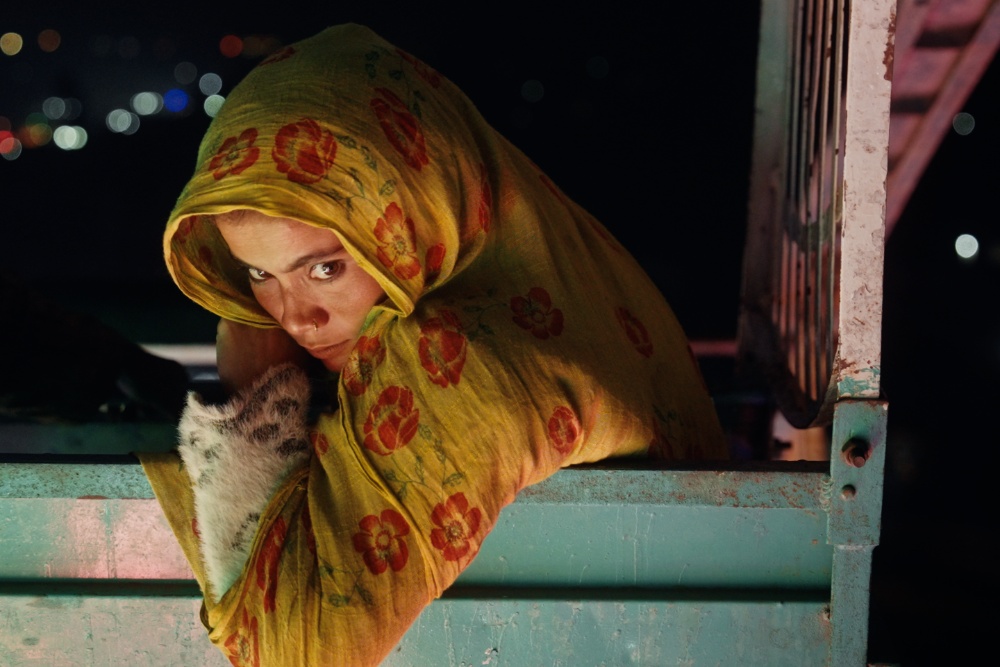
Filmmaker Umair Bilal spent months living in Sehwan, attempting to capture the town’s rhythm on camera. He eventually realised that imposing a conventional documentary structure would clash with the organic flow of the shrine’s daily life. "Every time I tried to impose that logic onto Sehwan, it felt like I was working against the place rather than with it," Bilal told Variety, prompting him to abandon the scripted approach and let the footage breathe on its own.
The resulting 85‑minute film, *As Light as Air*, premiered at the 2026 Locarno Film Festival, where it was selected for the International Competition section. Critics praised its meditative pacing and the way it lets the dhamaal’s whirling circles become a visual metaphor for surrender. While the documentary is rooted in a Pakistani context, its universal themes of devotion, community, and the search for transcendence struck chords with festival audiences from Europe, the Americas, and Africa alike.
Why African Audiences Should Take Note
For African viewers, Bilal’s film offers a rare, respectful glimpse into a Sufi practice that mirrors many local rituals. The documentary’s emphasis on “being part of the rhythm” echoes the way Ghanaian and Nigerian musicians talk about “feeling the groove” during highlife or Afrobeat performances. Moreover, the film’s distribution strategy—leveraging festival buzz to secure streaming deals—mirrors a pathway African documentary makers are increasingly using to reach global audiences.
The impact is already visible: streaming platforms such as Showmax and IrokoTV have begun flagging *As Light as Air* for their African user base, noting the film’s relevance to viewers who follow Sufi‑inspired music scenes in Lagos or Dakar. This cross‑continental exposure can inspire African creators to explore their own spiritual heritage on screen, knowing there is a market for nuanced, culturally specific storytelling that transcends borders.
A Growing Trend: Spiritual Documentaries at Global Festivals
Bilal’s success is part of a broader surge in documentaries that foreground mysticism, ritual, and the search for meaning. In the past three years, festivals from Cannes to the Durban International Film Festival have featured works on Yoruba divination, Ethiopian Orthodox chant, and the Zulu healing dance. This trend reflects a post‑pandemic audience appetite for content that offers both escapism and a deeper connection to cultural roots.
For African filmmakers, the trend opens doors to funding streams that were once limited to social‑issue or political documentaries. International co‑production funds, such as the African Development Bank’s Creative Industries Initiative, now list “spiritual heritage” as a priority area. The rising visibility of Sufi‑related cinema also encourages collaborations: Nigerian director Kemi Adetiba is reportedly in talks with Pakistani musicians to produce a short film that juxtaposes Lagos’ street percussion with Sehwan’s dhamaal drums.
What Lies Ahead: Collaboration, Distribution, and Cultural Exchange
The buzz around *As Light as Air* suggests several opportunities for African creators. First, the film’s festival circuit has demonstrated that stories rooted in local spiritual practices can travel internationally without losing authenticity. African producers can leverage this model to pitch similar projects to festivals that champion cultural diversity, such as the Zanzibar International Film Festival.
Second, the documentary’s streaming rollout highlights a viable distribution channel. Platforms that focus on African content are now actively seeking titles that explore the continent’s spiritual dimensions, meaning that a well‑crafted Sufi or indigenous‑ritual film could find a home alongside Nollywood blockbusters. Finally, the cultural exchange sparked by Bilal’s work may lead to joint workshops, residencies, and even co‑productions that blend South Asian and African musical traditions—an exchange that could enrich both creative ecosystems.
Quick Answers
When and where did Umair Bilal’s documentary *As Light as Air* premiere?
It premiered in August 2026 as part of the International Competition at the Locarno Film Festival in Switzerland.
How does *As Light as Air* relate to African Sufi traditions?
The film’s focus on Sufi trance in Sehwan mirrors similar ecstatic rituals practiced by West African Sufi orders, making its themes resonant for African audiences.
Can African filmmakers use Bilal’s approach to reach global audiences?
Yes; by embracing organic storytelling and leveraging festival exposure, African creators can secure streaming deals and cross‑continental collaborations.
Source: variety.com




💬 Comments 0