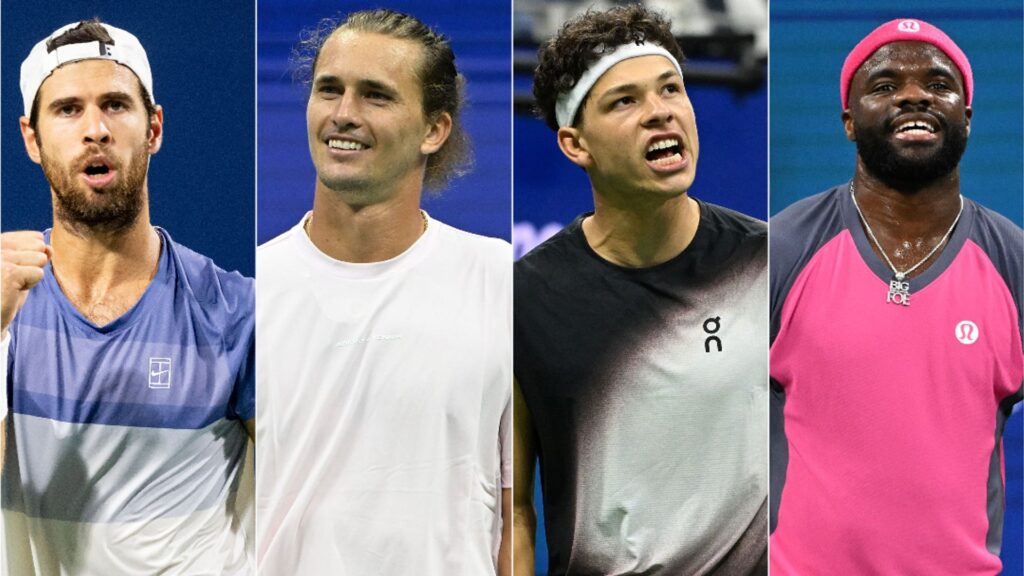
US Open 2026: Ben Shelton vs Frances Tiafoe battle to end US men’s Grand Slam drought since 2003
Why the US Open matters beyond the trophy
The US Open is more than a marquee tennis event; it is a cultural touchstone that shapes the sport’s commercial landscape in North America and, increasingly, across the African diaspora. A homegrown champion can spark a surge in grassroots participation, attract new sponsors, and shift media narratives that have long favored European stars. When Andy Roddick lifted the trophy in 2003, his win triggered a boom in U.S. tennis club memberships and inspired a generation of players, a pattern that analysts expect could repeat if either Ben Shelton or Frances Tiafoe clinches the title.
For African and Afro‑Caribbean communities, the stakes are personal. The US Open draws sizable viewership from Nigeria, Ghana, Kenya, and the Caribbean, where tennis still battles cricket and football for attention. A successful American male champion—especially one with a compelling backstory—can translate into higher broadcast ratings on African sports networks, more advertising spend from multinational brands, and a boost for local tennis academies that look to the United States for role models.
The two American hopefuls: contrasting paths to Flushing Meadows
Ben Shelton, the 24‑year‑old former college star from the University of Florida, entered the tournament riding a wave of momentum after a surprise run to the Australian Open quarter‑finals earlier this year. Known for his booming serve and charismatic on‑court demeanor, Shelton’s rapid ascent has attracted the attention of sportswear giants eager to tap into a fresh American face. His narrative resonates with young athletes in African cities where access to elite coaching is limited, yet raw talent often shines through informal courts.
Frances Tiafoe, by contrast, brings a decade‑long journey marked by perseverance and community activism. The 27‑year‑old from Maryland grew up in a single‑parent household and has used his platform to champion youth tennis programs in under‑served neighborhoods, including partnerships with NGOs that run clinics in Lagos and Accra. Tiafoe’s story offers a blueprint for how athletes can leverage success to drive social impact, a theme that African media outlets have highlighted in their coverage of the tournament.
Implications for African markets and the diaspora
A home‑grown champion would likely accelerate the rollout of US Open‑related merchandise in African retail channels. Companies such as Nike and Adidas have already piloted limited‑edition lines featuring American tennis icons in South Africa’s major malls; a victory could push those initiatives from niche to mainstream, creating jobs in supply‑chain and marketing sectors across the continent.
Beyond commerce, the media narrative could shift. African broadcasters, which currently allocate a modest portion of airtime to tennis, often rely on wire services for storylines. A U.S. champion would give local journalists a compelling hook—"American hero inspires African youth"—to produce original content, thereby strengthening the continent’s sports journalism ecosystem and reducing dependence on Western feeds.
Reactions from players, sponsors and African stakeholders
Both Shelton and Tiafoe have spoken about the broader impact of their runs. Shelton told the press that he hopes his success will “show kids in places like Lagos that you can make it from the streets to Grand Slam courts.” Tiafoe, during a post‑match interview, emphasized his desire to “use any platform I get to grow the game where it’s still growing.” Their statements have been echoed by African tennis federations, which see the US Open as a potential catalyst for funding from the International Tennis Federation’s development arm.
Corporate sponsors are also watching closely. According to a report from Sports Business Journal, several multinational brands are negotiating ambassador deals that tie the athletes’ image rights to community programmes in Africa. If a winner emerges, those contracts could be fast‑tracked, delivering scholarships and training equipment to academies in Nairobi, Johannesburg and Abuja.
What comes after the semi‑finals? A roadmap for lasting change
Should either American break the 23‑year drought, the next challenge will be converting short‑term hype into sustainable growth. Experts suggest a three‑pronged approach: first, leveraging the champion’s visibility to secure broadcast rights for African free‑to‑air channels; second, establishing joint US‑African tennis camps that allow aspiring players to train with top coaches; third, creating a mentorship pipeline where the champion periodically visits African academies, mirroring the model used by basketball’s NBA Africa program.
Even without a title, the very presence of two American men in the final stages signals a shift in the sport’s geography. The US Open’s organizers have already pledged to increase prize money for qualifying rounds, a move that could make it financially viable for African players to travel to New York. Over the next five years, the tournament could become a key stepping‑stone for African talent, much like the French Open has become for French‑speaking African nations.
Quick Answers
When was the last time an American man won the US Open?
Andy Roddick won the US Open men’s singles title in 2003, ending a 23‑year drought for U.S. men.
How could a US Open champion affect tennis in Africa?
A champion can boost viewership, attract sponsors, and inspire grassroots programs, leading to more funding and participation in African tennis.
Which African countries are most likely to benefit from increased US Open exposure?
Nigeria, Kenya, South Africa, Ghana and the Caribbean diaspora are expected to see the biggest media and commercial impact.
Source: www.skysports.com




💬 Comments 0