US Open 2026: Elena Rybakina beats Naomi Osaka, Zheng Qinwen stuns Iga Swiatek – What it means for women’s tennis and African fans
Background – The stakes at Flushing Meadows
The 2026 US Open arrived with a packed women’s draw, featuring a clash of styles and ambitions. Kazakhstan’s Elena Rybakina entered New York as the world No. 2, eyeing a possible ascent to the top spot if she could string together wins against the tournament’s heavyweights. Naomi Osaka, a former three‑time Grand Slam champion returning from a year‑long maternity break, was looking to prove she still belongs among the elite.
Poland’s Iga Swiatek, the reigning champion and world No. 1, had already announced her intention to defend the title for a third straight year. China’s rising star Zheng Qinwen, only 22, entered as a dark horse, having broken into the top‑10 earlier this season after a string of impressive hard‑court results. The stage was set for two high‑profile upsets.
What happened – Rybakina’s dominance and Zheng’s shock
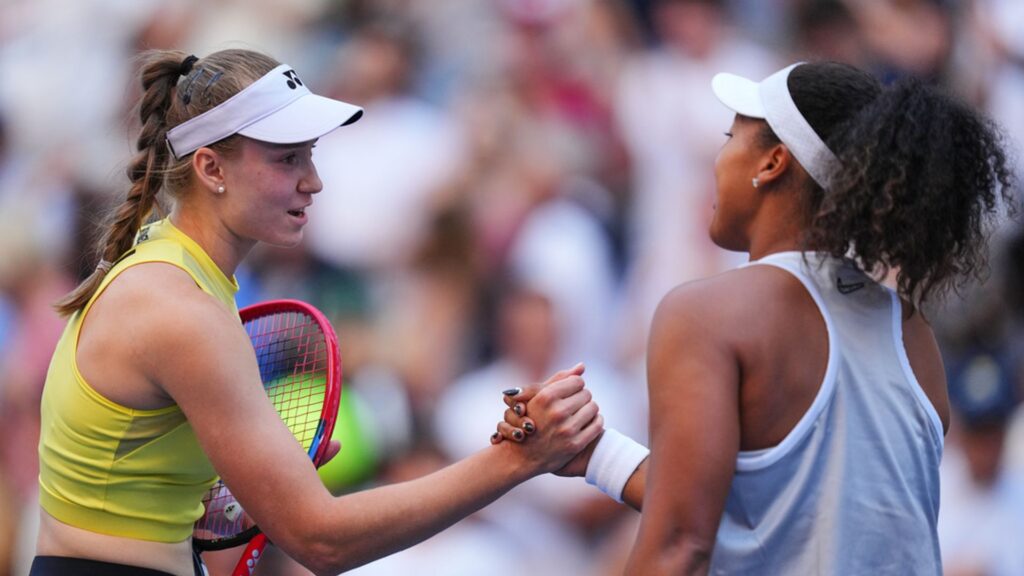
In a 6‑3, 6‑4 victory, Rybakina dismantled Osaka with a blend of powerful serving and relentless baseline aggression. Osaka managed to create a few early chances, but Rybakina’s first‑serve percentage of 73% and her ability to convert 8 of 12 break points left the Japanese star scrambling. The win moved Rybakina into the quarter‑finals and kept her on track for a possible world No. 1 ranking, should she continue her form.
Across the court, Zheng Qinwen delivered a career‑defining performance against Swiatek, winning 7‑6(5), 6‑3. After a tight first set that saw both players exchange powerful rallies, Zheng’s aggressive backhand and superior movement in the decisive moments tipped the balance. The upset ended Swiatek’s 19‑match winning streak at the US Open and signalled a shift in the tournament’s narrative.
Why it matters – Rankings, marketability and the women’s game
Rybakina’s win brings her within striking distance of the No. 1 ranking, a milestone that would make her the first Kazakhstani to top the WTA ladder. The achievement would boost tennis’s profile in Central Asia, a region that has traditionally struggled to produce top‑level players. Sponsorship deals, government sports funding, and grassroots programs could see a surge if Rybakina clinches the ranking.
Zheng’s triumph over Swiatek underscores the growing depth of the women’s tour. The Chinese player’s rise adds another Asian contender to a field that has been dominated by Europeans and North Americans for decades. Her success may accelerate the WTA’s strategic push into Asian markets, encouraging tournament organizers to schedule more events in China, Japan, and South‑East Asia, which in turn could open doors for African players seeking exposure on the global circuit.
African and diaspora angles – What fans and players can take away
While the matches did not feature African athletes directly, the implications ripple across the continent. South Africa’s Kevin Anderson has spoken about the need for more African representation in Grand Slams, and the WTA’s recent partnership with the African Tennis Federation aims to create a pathway for talent from Nigeria, Kenya and Egypt. High‑profile upsets like Zheng’s win illustrate that the traditional power structures in tennis are loosening, giving hope to African hopefuls that breakthroughs are possible.
For the diaspora, especially Nigerians and Ghanaians living in the United States, the US Open remains a cultural touchstone. Streaming platforms now offer multilingual commentary, including French and Yoruba, allowing African fans to follow the action in their native languages. Moreover, the growing presence of Asian and Central Asian stars may inspire African entrepreneurs to invest in tennis academies, betting on a future where the sport’s market is truly global.
What’s next – Quarter‑finals outlook and longer‑term impact
Rybakina’s next opponent is likely to be a top‑seeded American or a fellow European, setting up a potential showdown that could decide the year‑end No. 1 ranking. Her ability to maintain composure under pressure will be tested, especially with the media spotlight intensifying after the Osaka win.
Zheng’s victory propels her into a quarter‑final clash with either a seasoned veteran or another rising star. If she continues her upset run, she could become the first Chinese woman to reach a US Open semi‑final since Li Na’s 2014 campaign. Such a milestone would have a cascading effect on sponsorship interest from Chinese brands looking to tap African markets, where consumer spending on sports apparel is on the rise.
Quick Answers
Who will become world No. 1 if Elena Rybakina wins the US Open?
If Rybakina captures the title, she will overtake Iga Swiatek and become the WTA world No. 1.
How does Zheng Qinwen's upset affect African tennis prospects?
The upset highlights the tour’s increasing openness to new contenders, encouraging African federations to invest in talent pathways that could produce future Grand Slam players.
When is the next US Open women's quarter‑final match for Rybakina?
Rybakina plays her quarter‑final on September 9, 2026, against the winner of the match between the 5th seed and the 12th seed.
Source: www.skysports.com




💬 Comments 0