Verstappen slams Russell as ‘far below my level’ after Las Vegas GP error – implications for F1
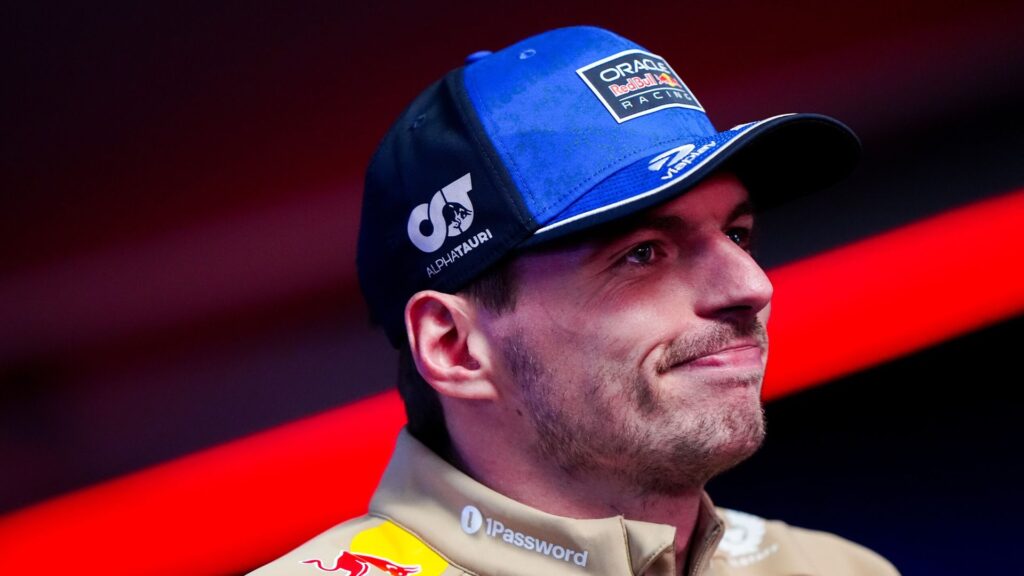
Background: Verstappen’s dominance and Russell’s rise
Max Verstappen entered the 2026 season as the reigning champion with a record‑breaking streak of wins, cementing his status as the sport’s most consistent front‑runner. His Red Bull Racing team has enjoyed a technical edge that translates into pole positions and podiums across a variety of circuits, from the high‑speed straights of Monza to the street‑carved twists of Singapore.
George Russell, meanwhile, has emerged as Mercedes’ most promising talent since Lewis Hamilton’s retirement. After a breakthrough season in 2025 that saw him finish third in the drivers’ standings, Russell has been touted as the heir to the team’s legacy. The contrast between Verstappen’s established supremacy and Russell’s hungry ascent set the stage for the tension that erupted in Las Vegas.
The Las Vegas incident: what went wrong
During the closing laps of the Las Vegas Grand Prix, Russell, running in second place, made an uncharacteristic mistake at the iconic Turn 14, braking too early and allowing Verstappen to extend his lead. The error cost Russell valuable seconds and gave Red Bull a comfortable margin to the finish line. In the post‑race press conference, Verstappen responded sharply, saying Russell was "so far below my level" and that the mistake highlighted a gap in racecraft.
Russell, for his part, accepted responsibility, noting that the street circuit’s unique rhythm had caught him off guard. He added that the pressure of chasing a dominant champion can amplify even minor misjudgments, a sentiment echoed by several analysts who pointed out that the Las Vegas layout demands a blend of precision and aggression that few drivers master on their first attempt.
Why the feud matters for F1’s global growth
Verstappen’s blunt comment feeds into a larger narrative about the sport’s star power and the way rivalries are marketed. In recent years, Formula 1 has leaned heavily on driver duels – think Hamilton vs. Vettel or Verstappen vs. Hamilton – to attract new audiences beyond its traditional European base. A public spat between the sport’s top driver and a rising contender adds drama that broadcasters can package into highlight reels, potentially boosting viewership in emerging markets.
However, the tone of the exchange also raises concerns about the sport’s image. Critics argue that overly aggressive language could alienate younger fans who look for sportsmanship as much as competition. As F1 expands into regions like Africa and the Middle East, maintaining a balance between excitement and respect will be crucial for sustaining long‑term fan loyalty.
African fans and the sport’s expanding market
Africa’s appetite for Formula 1 has been on a steady rise, with South Africa’s Kyalami circuit historically hosting the Grand Prix and a new wave of African‑based sponsors eyeing exposure through the sport. The Verstappen‑Russell clash resonates on the continent because it underscores the gap between established champions and emerging talent – a storyline that mirrors the challenges faced by African drivers trying to break into the elite tier.
The incident also sparked a flurry of social media commentary from Nigerian and Kenyan fans, many of whom rallied behind Russell as a symbol of the underdog. Local streaming platforms reported a spike in viewership during the Las Vegas race, suggesting that the drama surrounding the two drivers is helping to convert casual observers into dedicated followers. This surge could translate into higher demand for F1‑related merchandise, ticket sales for future African‑hosted events, and increased interest from regional advertisers.
Looking ahead: Mercedes, Red Bull and the next championship battle
Mercedes will likely use Russell’s mistake as a catalyst for internal reviews, focusing on driver coaching and race‑simulation work tailored to street circuits. Sources close to the team say that technical director James Allison is already planning a series of tests aimed at sharpening Russell’s braking points and tyre‑management strategies for the upcoming Singapore and Japan Grands Prix.
For Red Bull, Verstappen’s confidence boost could translate into a more aggressive approach to defending his title. Yet, the team must also manage the optics of a champion publicly dismissing a rival, especially as F1’s commercial partners increasingly emphasize inclusivity and positive role models. How Red Bull balances Verstappen’s on‑track dominance with off‑track brand stewardship will be a storyline to watch as the season heads into its final third.
Quick Answers
What exactly did Max Verstappen say about George Russell after the Las Vegas Grand Prix?
Verstappen said George Russell was "so far below my level," referring to the mistake Russell made on the final laps of the race.
How might Russell’s error affect Mercedes' chances in the remainder of the 2026 season?
The mistake highlights areas where Mercedes may need to improve driver coaching and car setup for street circuits, potentially prompting extra testing and strategy tweaks.
Why is the Verstappen‑Russell rivalry important for African Formula 1 fans?
The rivalry adds drama that attracts new viewers in Africa, where interest in F1 is growing, and it gives African fans a relatable underdog narrative that can boost engagement and market opportunities.
Source: www.skysports.com




💬 Comments 0