Wenger Backs FIFA’s World Cup U-Turn Decision
Background
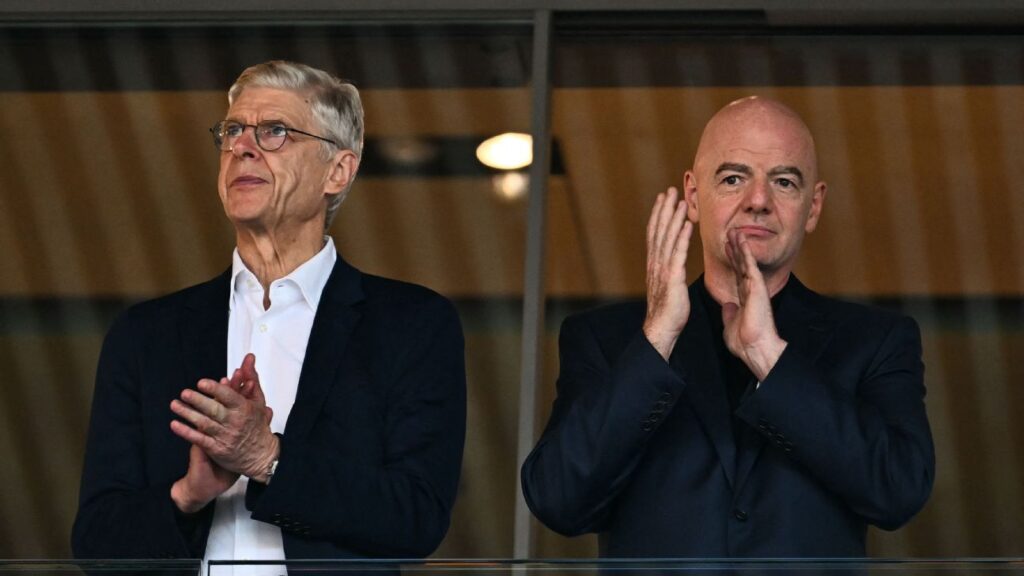
The world of football has been abuzz with the recent decision by FIFA to withdraw from a plan to sell stakes in a World Cup company to private investors. This move has been met with a mix of reactions, with some hailing it as a necessary step and others criticizing it as a missed opportunity. At the heart of this decision is FIFA's chief of global football development, Arsene Wenger, who has been a key figure in shaping the organization's strategy.
Arsene Wenger, a renowned football manager and current FIFA official, has been instrumental in driving the organization's vision for the sport. His experience and expertise have been invaluable in navigating the complex landscape of international football. As such, his endorsement of the decision to withdraw from the plan to sell stakes in a World Cup company carries significant weight.
What Happened
The plan to sell stakes in a World Cup company to private investors was initially met with optimism, with many seeing it as an opportunity to inject fresh capital into the sport. However, as the details of the plan began to emerge, concerns started to grow. Critics argued that the plan could lead to a loss of control over the sport, with private investors potentially exerting undue influence over the World Cup.
FIFA's decision to withdraw from the plan has been seen as a response to these concerns. By pulling out of the deal, the organization is able to maintain its control over the World Cup and ensure that the sport is not unduly influenced by external factors. This move is likely to be welcomed by fans and stakeholders who value the integrity of the game.
Why It Matters
The decision to withdraw from the plan to sell stakes in a World Cup company has significant implications for the sport. By maintaining control over the World Cup, FIFA is able to ensure that the tournament is run in a fair and transparent manner. This is crucial for the integrity of the game, as it prevents external factors from influencing the outcome of matches.
Arsene Wenger's endorsement of the decision highlights the importance of this move. As someone who has been deeply involved in the sport for many years, Wenger is well-placed to understand the potential risks and benefits of the plan. His backing of the decision suggests that he believes it is in the best interests of the sport, and that it will help to maintain the integrity of the World Cup.
Reactions
The reaction to FIFA's decision has been mixed, with some hailing it as a victory for the sport and others criticizing it as a missed opportunity. Fans and stakeholders who value the integrity of the game are likely to welcome the move, as it ensures that the World Cup is run in a fair and transparent manner.
However, others may be disappointed by the decision, as it means that the sport will not be able to benefit from the influx of capital that the plan would have brought. This could have been used to invest in infrastructure, develop grassroots programs, and support emerging teams.
What's Next
Now that FIFA has withdrawn from the plan to sell stakes in a World Cup company, the organization will need to explore alternative ways to generate revenue and invest in the sport. This could involve seeking out new sponsorship deals, developing new revenue streams, and identifying areas where costs can be cut.
Arsene Wenger and other FIFA officials will play a key role in shaping the organization's strategy going forward. With their experience and expertise, they will be able to identify opportunities for growth and development, and work to ensure that the sport continues to thrive.
Quick Answers
What was FIFA's decision regarding the World Cup company?
FIFA decided to withdraw from a plan to sell stakes in a World Cup company to private investors, a move backed by Arsene Wenger.
Why was the decision made?
The decision was made to maintain control over the World Cup and ensure the integrity of the game, with concerns that private investors could exert undue influence.
What are the implications of the decision?
The decision ensures that the World Cup is run in a fair and transparent manner, but may mean that the sport misses out on potential revenue from private investors.
Source: www.espn.com


💬 Comments 0