Why IMAX’s $12 billion sale talks stall in 2026 amid studio clashes and African market hopes
Background: IMAX’s recent surge and the surprise sale hint
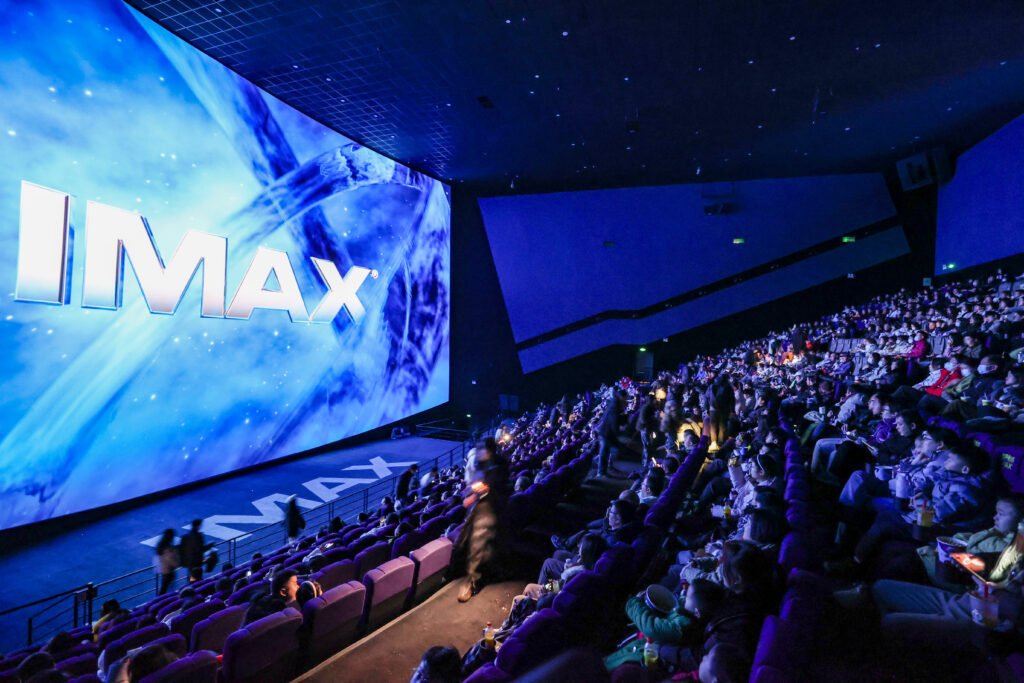
IMAX Corp. has been riding a wave of unprecedented growth this year, with its share price climbing more than 30 % since the start of 2026 and box‑office receipts from IMAX‑formatted releases hitting a new all‑time high of $1.4 billion. The company’s quarterly report in July highlighted a 22 % jump in ticket sales and announced plans to open ten new venues across the globe, signaling confidence in the premium‑screen model despite the broader industry’s streaming shift.
Yet, in a sudden turn, IMAX’s board disclosed that the firm is "open to a sale" if the right partner emerges. The statement, released via a brief investor memo, sparked speculation across financial newsrooms, but also left many wondering why a company on such a high trajectory would entertain a takeover.
The valuation dilemma: a price tag that scares suitors
At the heart of the standoff is IMIMAX’s soaring market valuation, now hovering around $12 billion after analysts upgraded its earnings outlook. While the figure reflects the brand’s premium positioning, it also places the firm in the same league as large‑cap tech and media conglomerates, making it a hefty acquisition target for most private equity funds and traditional studio owners.
Industry observers, including Bloomberg analysts, note that the premium price forces potential buyers to justify a massive integration cost on top of the operational challenges of running a niche exhibition business. In short, the valuation has become a double‑edged sword: it validates IMAX’s success but simultaneously narrows the pool of financially viable bidders.
Studio conflicts and strategic misalignment
A less obvious but equally critical barrier stems from strained relationships with Hollywood studios. Over the past two years, IMAX has been locked in renegotiations over revenue‑share formulas with major players such as Disney and Warner Bros. Discovery, who argue that the premium‑screen premium is eroding as streaming releases bypass theatrical windows.
According to sources familiar with the negotiations, studios are wary of committing to long‑term contracts that lock in higher percentages for IMAX, fearing that any future decline in cinema attendance could hurt their bottom line. This tension reduces the appeal of a takeover for studios that would otherwise see IMAX as a strategic asset.
Global cinema implications: what a stalled sale means
If IMAX remains independent, the company will likely continue expanding its footprint, but it must also navigate a market where blockbuster budgets are shrinking and streaming giants are investing heavily in home‑theater technology. The absence of a buyer could push IMAX to double down on its proprietary technology upgrades, such as the newer laser‑projection systems that promise brighter images and lower operating costs.
Conversely, a successful sale to a well‑capitalised partner could inject fresh capital for faster roll‑outs in emerging markets, while also potentially reshaping revenue‑sharing agreements with studios. The outcome will therefore influence not just IMAX’s own growth trajectory, but also the broader premium‑screen ecosystem that many independent exhibitors rely on.
African angle: why the continent watches the sale closely
Africa is becoming an increasingly important frontier for IMAX. The company opened its first African location in Johannesburg in 2022, and a second venue launched in Lagos in early 2025, marking the first IMAX screen in West Africa. These theatres have attracted local filmmakers who see the format as a gateway to global audiences, especially with the rise of Nollywood productions that now meet the technical standards required for IMAX certification.
Investors from South Africa’s media sector and a few pan‑African private equity funds have expressed interest in partnering with IMAX to accelerate the rollout of additional screens in Kenya, Egypt and Ghana. However, the high valuation and the ongoing studio disputes make them cautious, as they fear that any future revenue‑share renegotiation could diminish the profitability of African sites. If a buyer with a long‑term commitment to emerging markets steps in, it could unlock financing for a wave of new IMAX theatres across the continent, boosting local content creation and tourism.
What’s next: possible scenarios and the road ahead
Analysts outline three plausible paths. First, a strategic acquisition by a major studio—perhaps Disney, which has already experimented with IMAX releases for its superhero franchise—could resolve the revenue‑share deadlock but would likely involve a price concession to meet the $12 billion ceiling. Second, a consortium of private‑equity firms focused on entertainment infrastructure might bid, leveraging debt financing to meet the valuation while planning incremental roll‑outs in high‑growth regions like Africa and the Middle East.
A third scenario sees IMAX staying independent, opting to raise capital through a secondary share offering or convertible bonds. This route would preserve the company’s autonomy but could dilute existing shareholders and place pressure on the balance sheet amid a potentially volatile box‑office environment. The board has signaled that it will evaluate any proposal against long‑term shareholder value, meaning the next few weeks will be crucial for determining whether the sale remains a distant possibility or becomes a concrete reality.
Quick Answers
Why is IMAX considering a sale despite record earnings?
The board says it is open to a sale if a partner can meet the $12 billion valuation and resolve ongoing studio revenue‑share disputes.
Which entities could realistically buy IMAX?
Potential buyers include major Hollywood studios, private‑equity consortia focused on media assets, or a mix of both.
How would an IMAX sale affect African theatres?
A buyer committed to emerging markets could fund more IMAX screens in Africa, boosting local film production, while a stalled sale may keep current expansion plans on hold.
Source: www.cnbc.com



💬 Comments 0