Why Nigerian Youth Voter Registration Fell 15% Ahead of 2027 Election, 2026 Data Shows
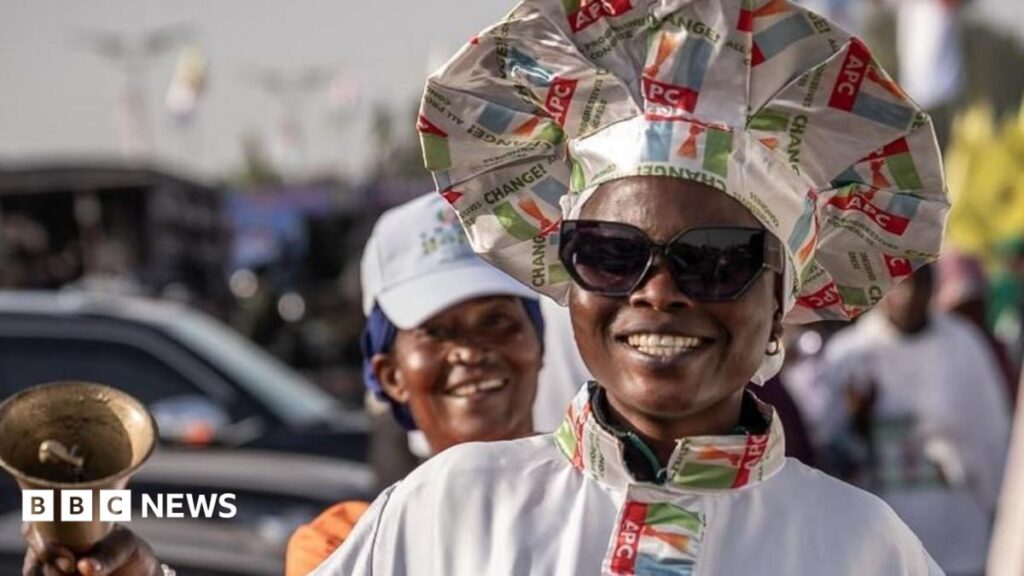
Background: Youth Power in Recent Nigerian Politics
Since the #EndSARS protests of 2020, Nigeria’s young population has been seen as a catalyst for change, turning street rallies into a force that reshaped public discourse and pressured politicians to address police brutality, unemployment and digital rights. The 2023 general election reinforced that perception when the Independent National Electoral Commission (INEC) reported that voters aged 18‑35 made up roughly 38% of the total turnout, a historic high for a single age bracket.
That surge was not limited to the ballot box. Young entrepreneurs and tech innovators flooded the political scene, launching online policy platforms and youth‑focused think‑tanks that challenged the status quo. Analysts at the African Development Bank noted that the demographic dividend could translate into economic growth if the energy of this cohort were harnessed through inclusive governance.
The Drop in Registration: Numbers and Immediate Causes
New figures released by INEC in September 2026 show that only 2.7 million Nigerians aged 18‑30 have registered for the 2027 election, a 15 % decline from the 3.2 million who signed up for the 2023 polls. The dip is most pronounced in the South‑West and North‑East, regions that traditionally produce high youth turnout.
Experts point to a mix of practical and psychological factors. A survey by the Centre for Democracy and Development found that 42 % of respondents cited “lack of trust in political parties” as a deterrent, while another 31 % mentioned “economic hardship” – the cost of traveling to registration centres and the need to prioritize daily wages over civic duties. Moreover, the rollout of the new biometric registration system has been plagued by technical glitches, leaving many young people frustrated, according to a report from Premium Times.
Why It Matters: Stakes for Nigeria’s Democracy and Economy
When a sizeable slice of the electorate stays home, elected officials lose a critical feedback loop. Policy agendas that cater to youth concerns—such as affordable housing, digital infrastructure, and climate‑resilient jobs—risk being sidelined. A recent policy brief from the Lagos Business School warned that ignoring the aspirations of the 18‑35 cohort could erode the country’s projected GDP growth of 3.5 % by 2030.
The political calculus also shifts in favour of older, entrenched interests. Parties that rely on patronage networks may find it easier to mobilise older voters who are more accustomed to clientelistic politics. This could reinforce a cycle where youthful voices are marginalised, further deepening the trust deficit that many young Nigerians already feel toward the democratic system.
Voices from the Ground: Youth Leaders, Parties and the Diaspora
Youth activist Aisha Bello of the coalition ‘Future Nigeria’ told The Guardian Nigeria that “the silence at the registration desk is louder than any protest we have ever staged”. She argues that the movement must evolve from street demonstrations to sustained civic engagement, including voter education and digital mobilisation.
Political parties are scrambling to adjust. The All Progressives Congress (APC) announced a “Youth Outreach Programme” in October 2026, promising free transport to registration centres and a series of town‑hall meetings on university campuses. The Peoples Democratic Party (PDP) meanwhile launched an online pledge platform, encouraging young Nigerians to commit to voting in exchange for mentorship opportunities, a strategy that analysts at Chatham House describe as “experimental but potentially impactful”.
The Nigerian diaspora, especially in the United Kingdom and the United States, is watching closely. A recent poll by the Nigerian Diaspora Forum indicated that 57 % of expatriates would vote if a reliable overseas voting mechanism were in place, but current legislation restricts them to voting by proxy, a process many consider cumbersome.
What Could Turn the Tide: Reforms, Technology and Civil Society
Several reforms are on the table to reverse the registration slump. INEC has pledged to deploy mobile registration units to university campuses and market centres, a move that could reduce travel costs and address the technical bottlenecks that plagued the 2023 rollout. In addition, a draft amendment to the Electoral Act proposes a digital ID verification system that would allow citizens to register via a secure mobile app, an initiative supported by the Ministry of Communication and Digital Economy.
Civil‑society organisations are also stepping in. The Nigerian Youth Coalition (NYC) is partnering with telecom companies to run a nationwide SMS campaign that explains the registration process in local languages, a strategy that mirrors successful voter‑information drives in Ghana’s 2024 elections. Meanwhile, tech incubators such as Co-Creation Hub are developing open‑source tools that map registration centre locations in real time, empowering young voters with precise logistical data.
If these measures gain traction, the upcoming 2027 election could become a litmus test for whether Nigeria can translate youthful energy into electoral power. Observers from the International Institute for Democracy and Electoral Assistance (IDEA) warn that “the next five years will determine if the country’s demographic dividend becomes a democratic dividend”. The outcome will reverberate beyond politics, influencing foreign investment, regional stability and the broader narrative of African youth agency.
Quick Answers
Why did Nigerian youth voter registration drop for the 2027 election?
Registration fell 15 % due to distrust in parties, economic pressures and technical issues with the new biometric system, according to INEC data and surveys by local NGOs.
How might low youth turnout affect Nigeria’s economy?
Economists warn that sidelining young voters could stall policies on jobs, tech infrastructure and housing, potentially reducing the projected 3.5 % GDP growth by 2030.
What steps are being taken to re‑engage young voters?
INEC plans mobile registration units and a digital ID app, while parties and civil‑society groups are launching outreach programmes, SMS campaigns and tech tools to simplify the process.
Source: www.bbc.co.uk




💬 Comments 0